
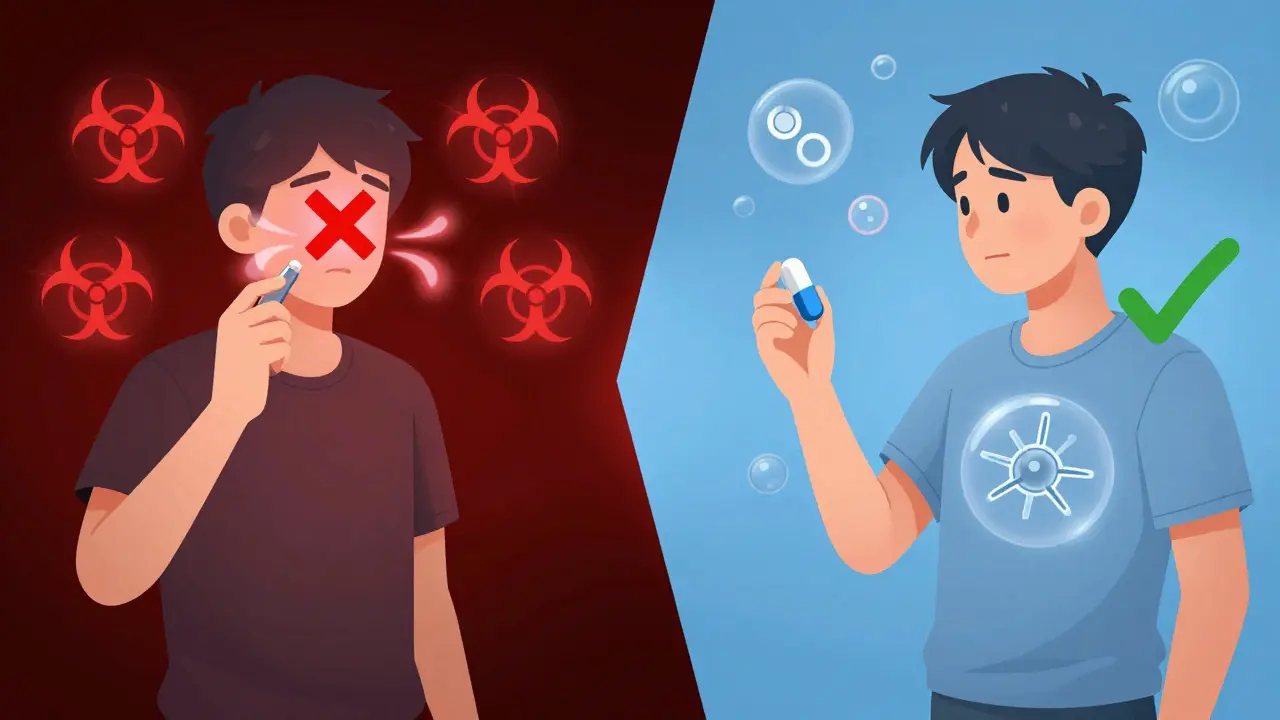
Not every severe drug reaction means avoiding the whole medication family. Learn when cross-reactivity is real, when it’s not, and how to avoid unnecessary drug restrictions that can delay care and increase risks.
Category: Medicine and Pharmaceuticals - Page 4
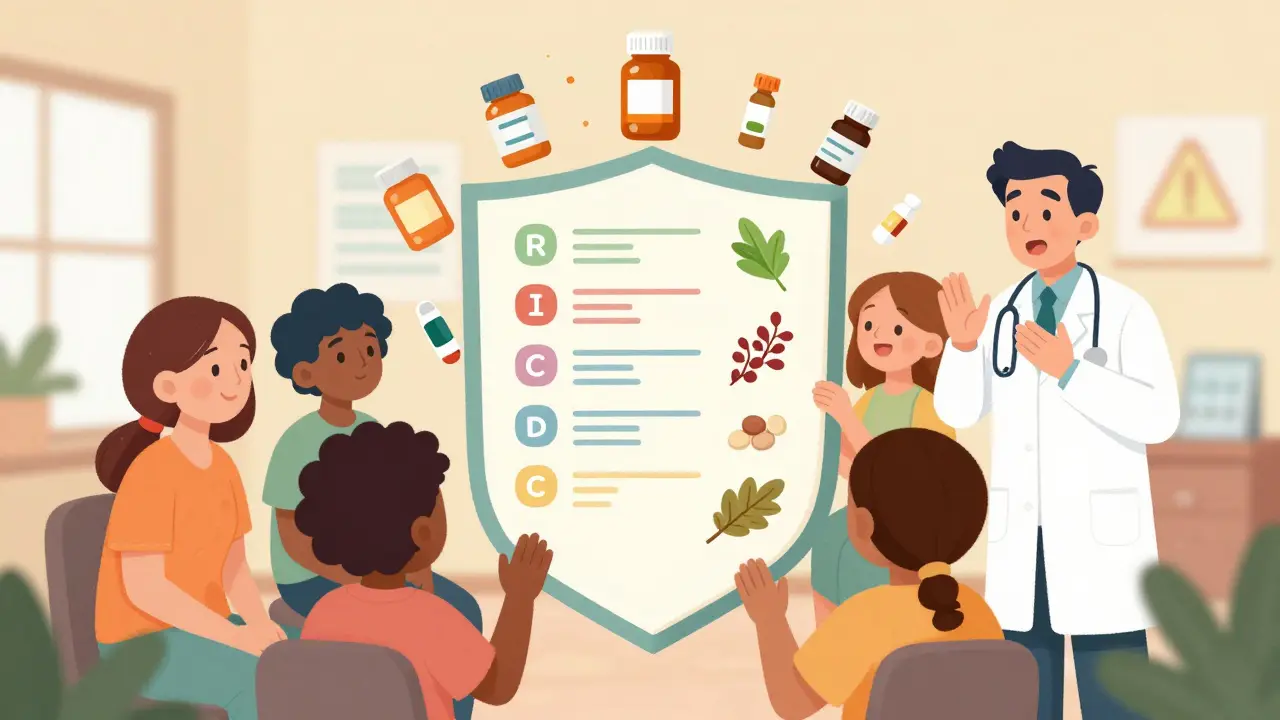
Sharing a complete, accurate medication list with every healthcare provider can prevent dangerous drug interactions. Learn what to include, how to update it, and how to make sure your list saves your life.
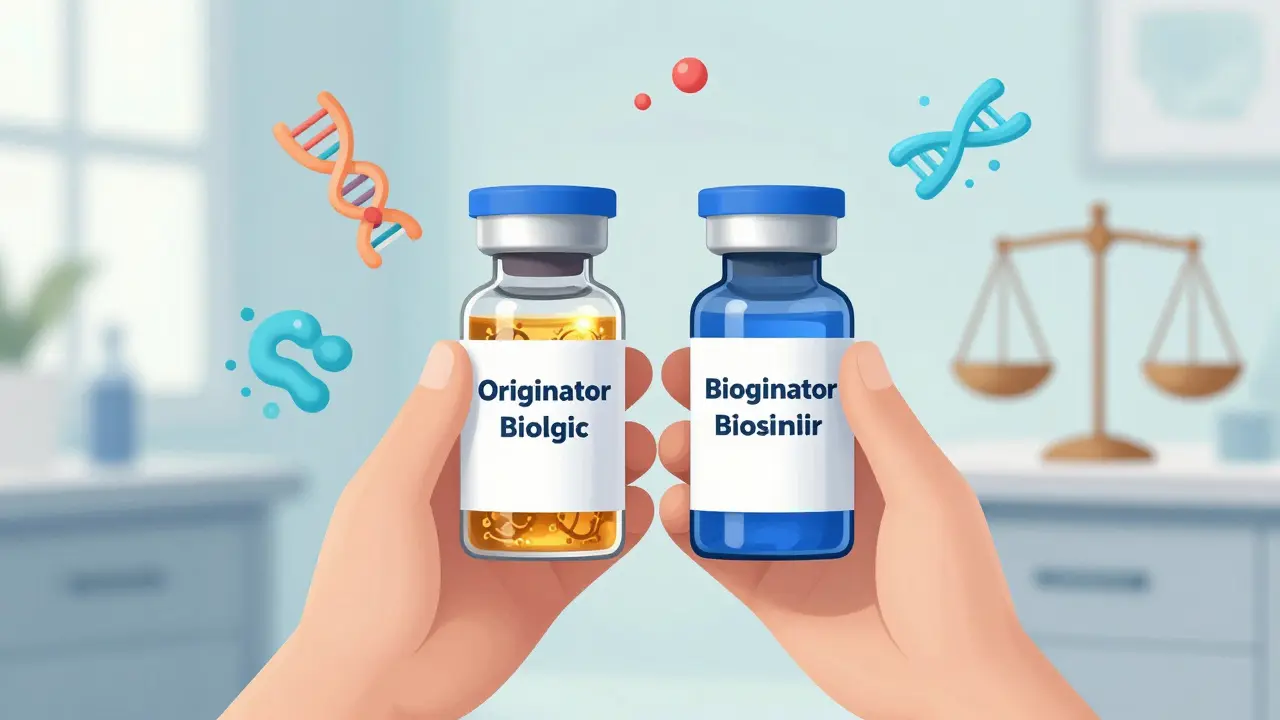
Switching from an originator biologic to a biosimilar is safe for most patients with stable inflammatory conditions. Clinical data shows no meaningful difference in effectiveness or safety, though psychological factors can lead to unnecessary discontinuation.
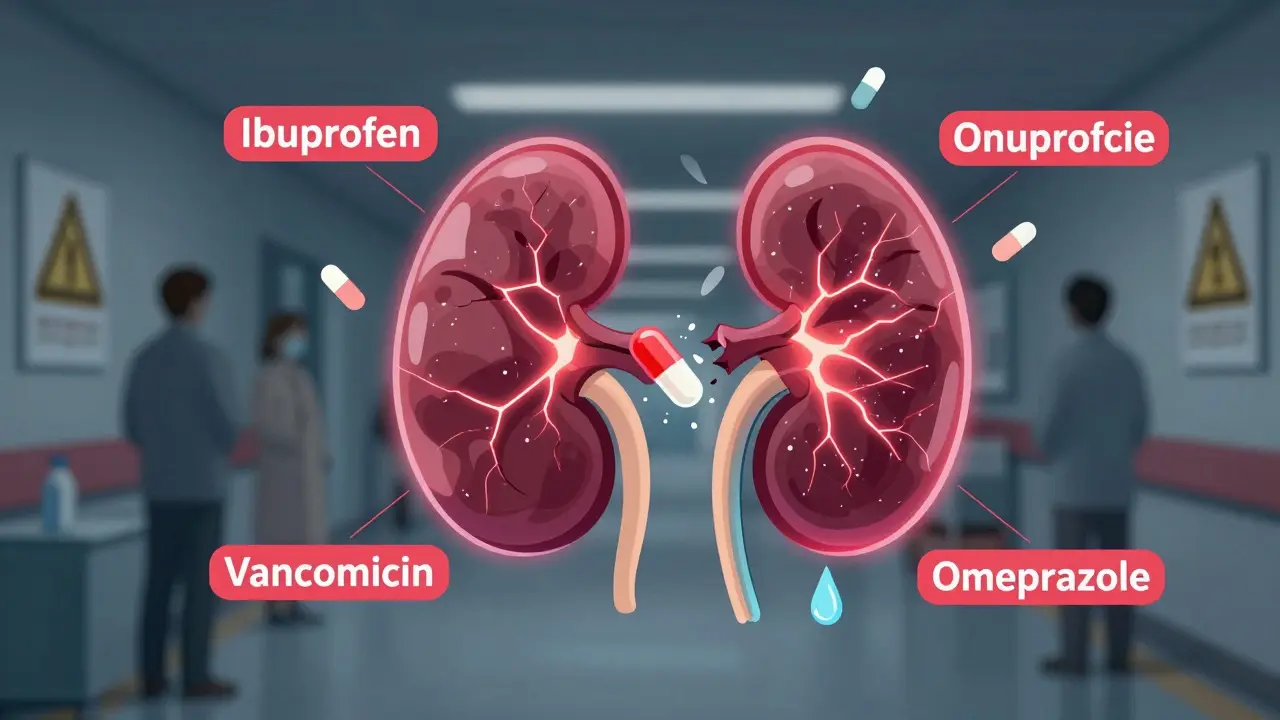
Drug-induced kidney injury is a silent, preventable threat affecting thousands each year. Learn how common medications like NSAIDs and antibiotics can damage kidneys, who's at risk, and what real steps you can take to protect yourself.
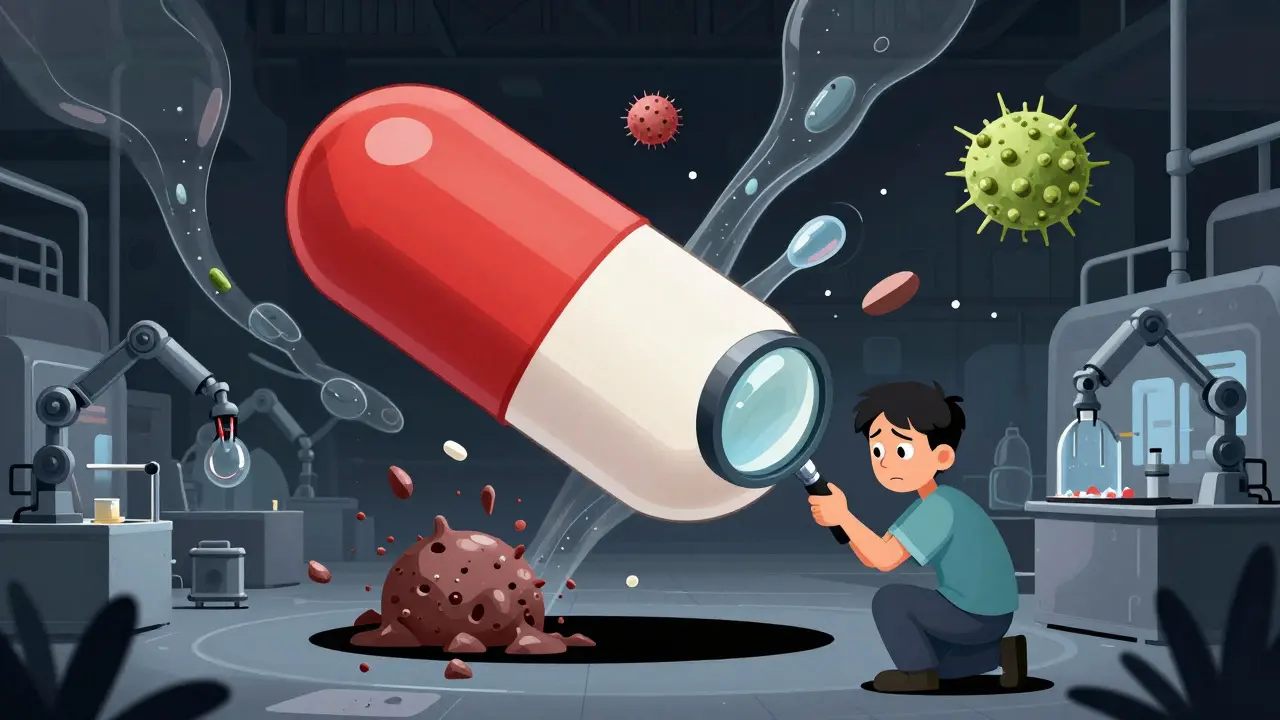
Generic drug contamination is a growing safety concern, with nearly 4 in 10 recalls tied to impurities. Learn how contamination happens, who’s at risk, and what you can do to protect yourself.
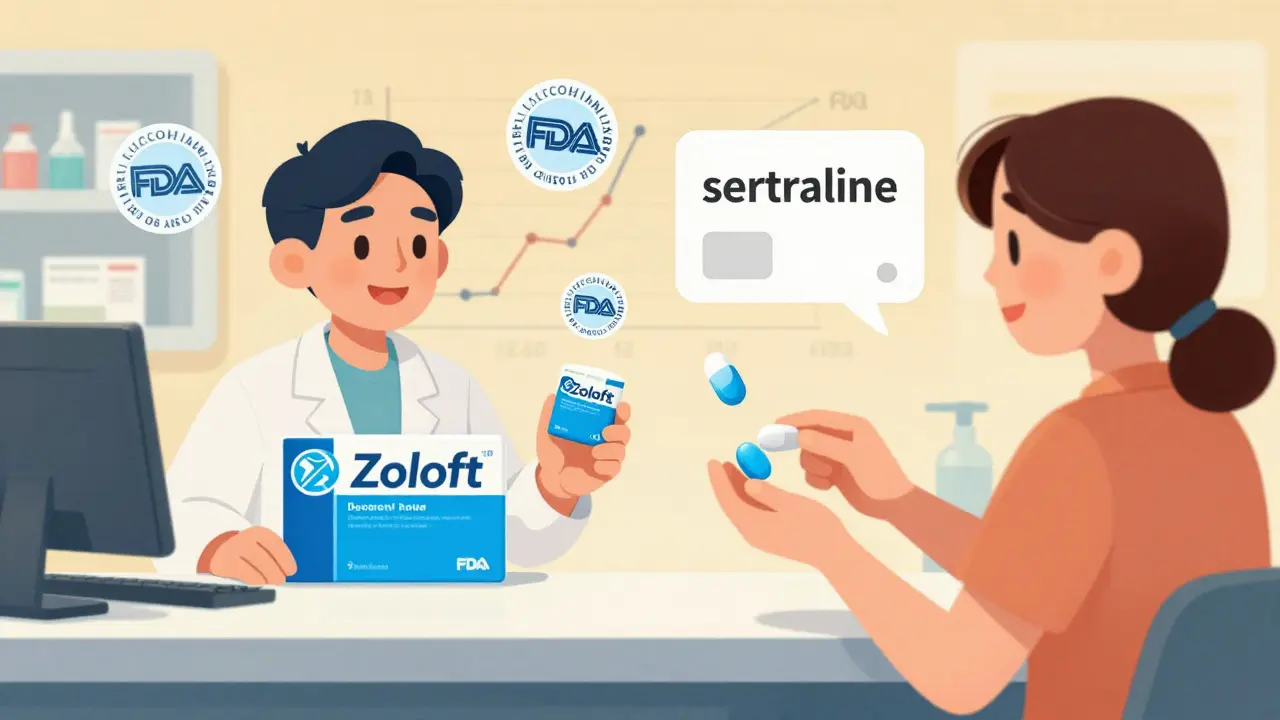
Learn how to choose between generic and brand-name medications with clear facts, real savings, and expert-backed advice. Generics are just as safe and effective - and can save you hundreds per month.
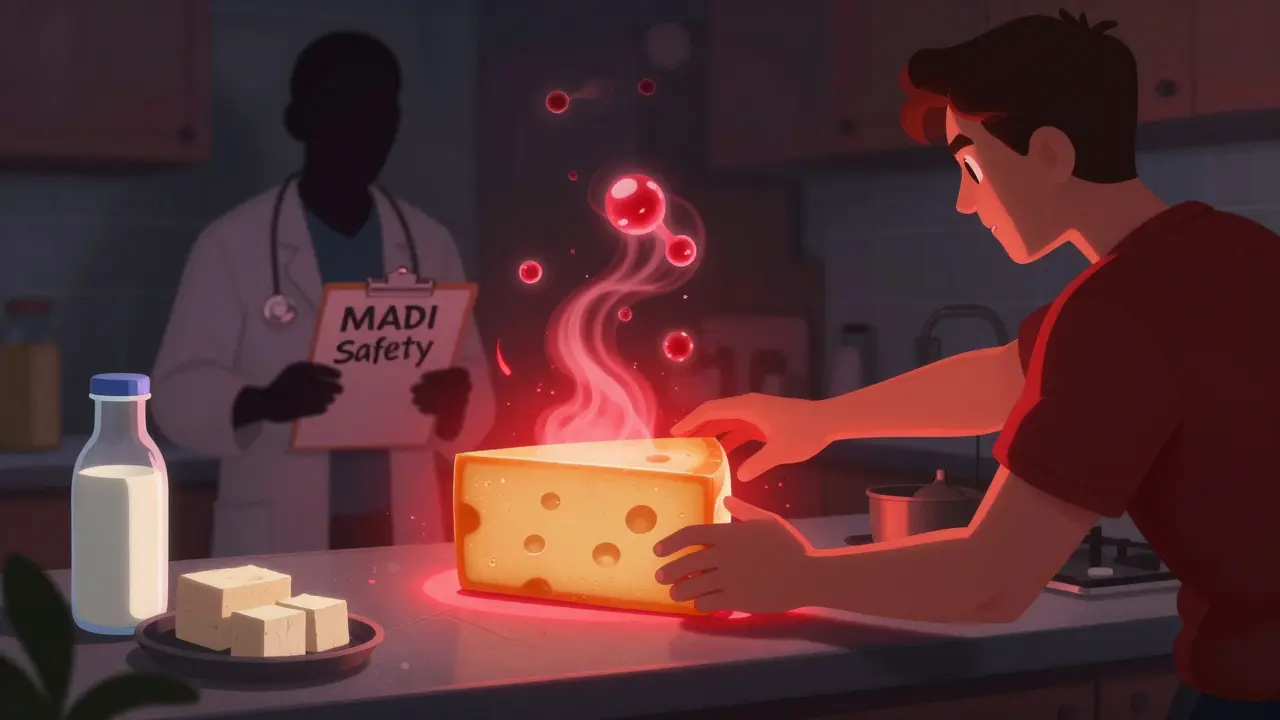
MAOIs are powerful antidepressants, but they require strict dietary restrictions to avoid dangerous spikes in blood pressure. Learn which foods contain tyramine, why they're risky, and how to safely manage your diet while on these medications.
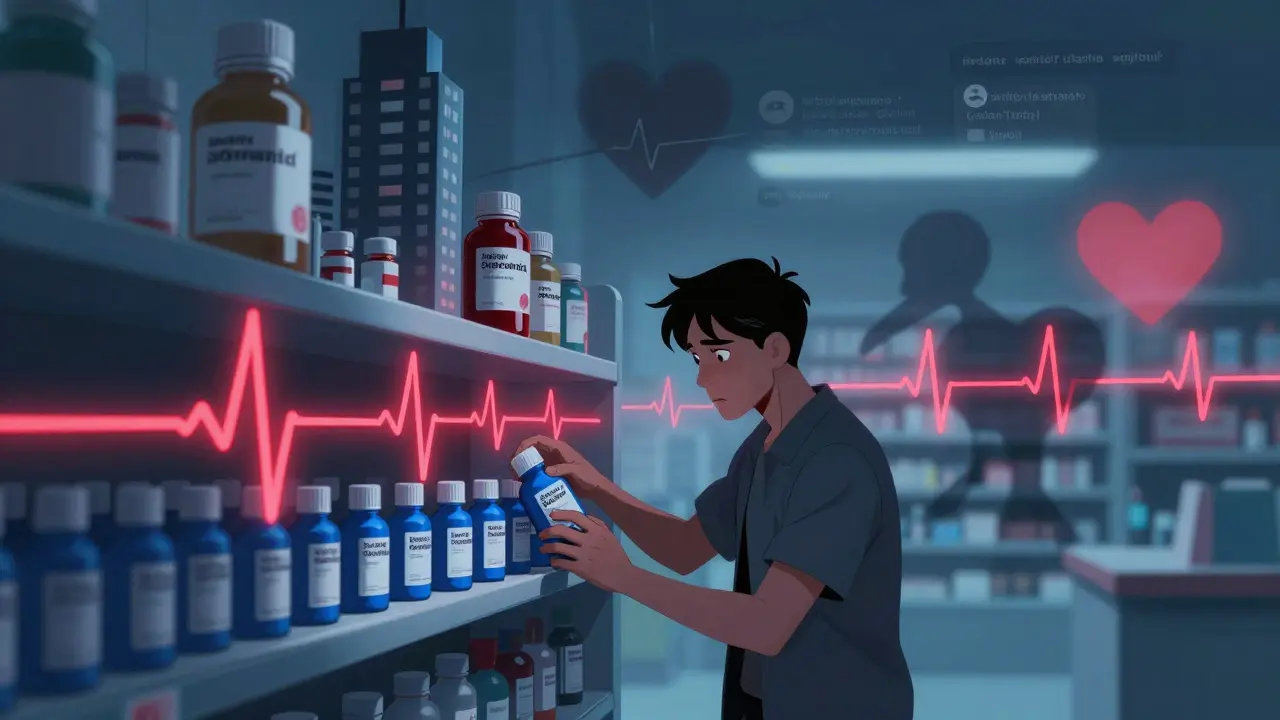
Loperamide abuse is rising as people misuse OTC antidiarrheals like Imodium to self-treat opioid withdrawal. High doses can cause fatal heart rhythms, yet many don't realize the danger. Learn the warning signs and what to do.
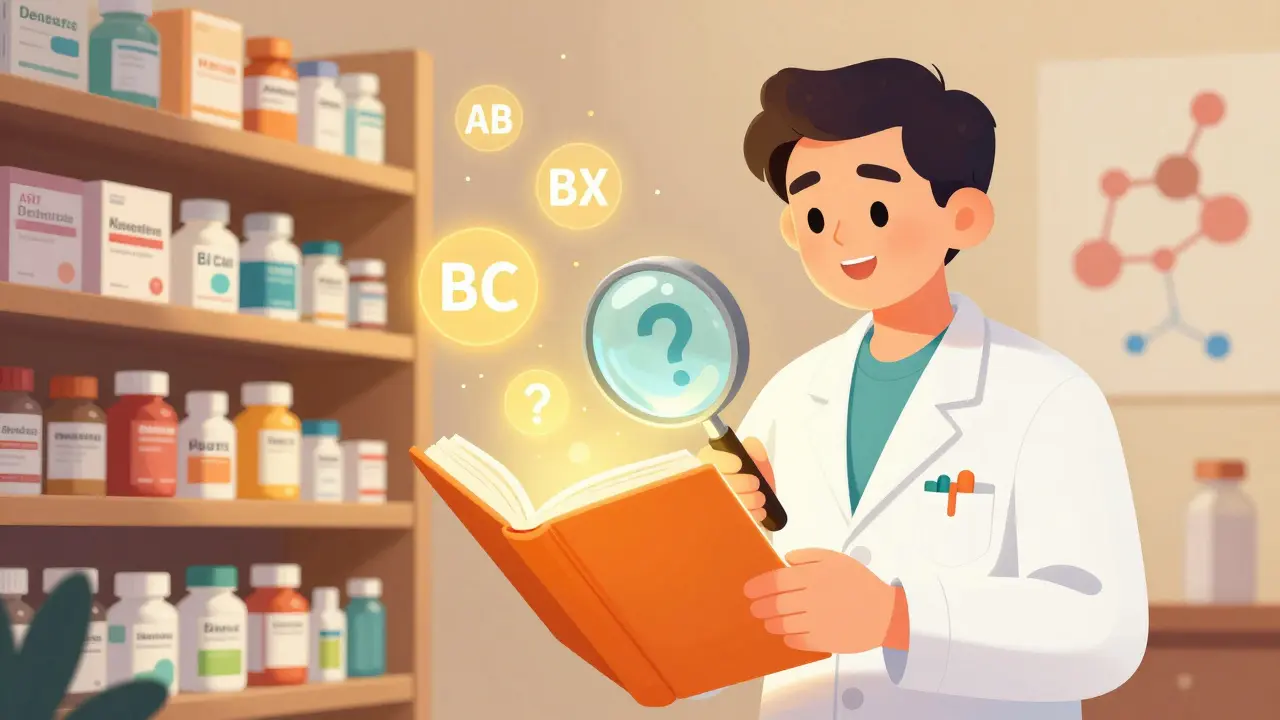
Therapeutic equivalence codes from the FDA tell pharmacists which generic drugs can be safely swapped for brand-name versions. Learn how A and B codes work, why they matter, and what’s changing in 2025.
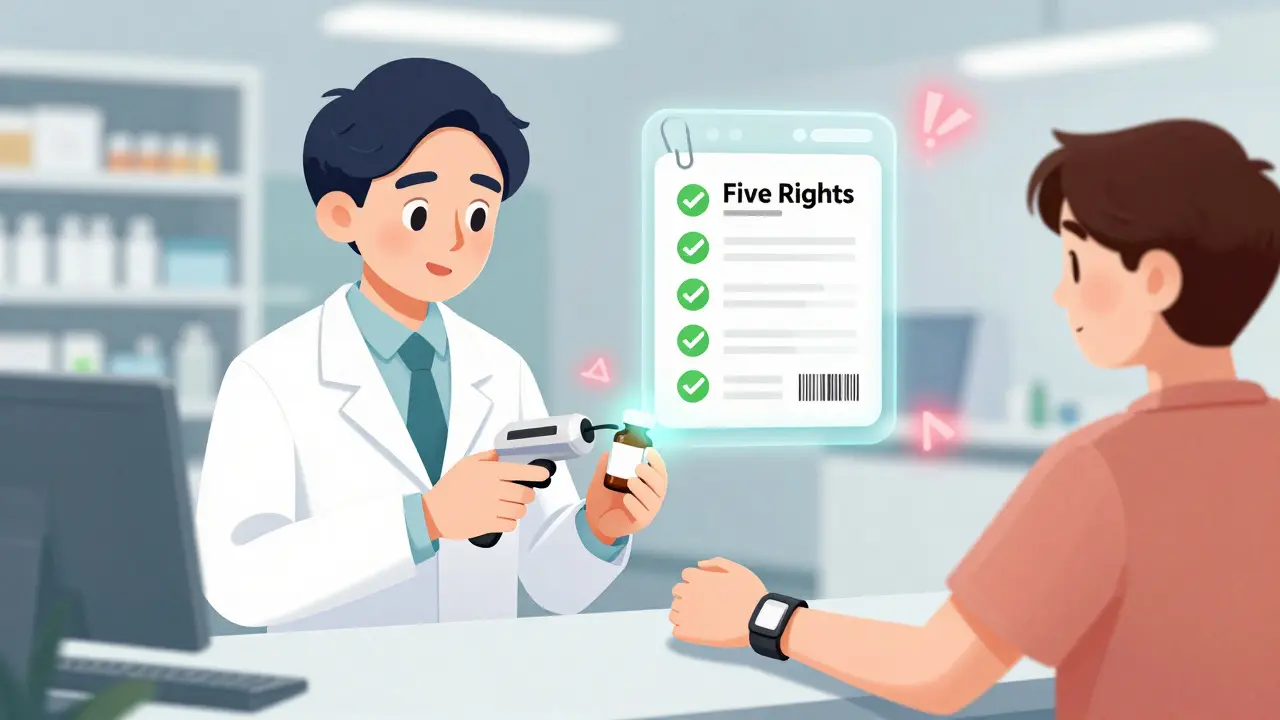
Barcode scanning in pharmacies cuts medication errors by up to 93% by verifying the right patient, drug, dose, route, and time. Learn how it works, where it fails, and why it’s still the gold standard for safety.