
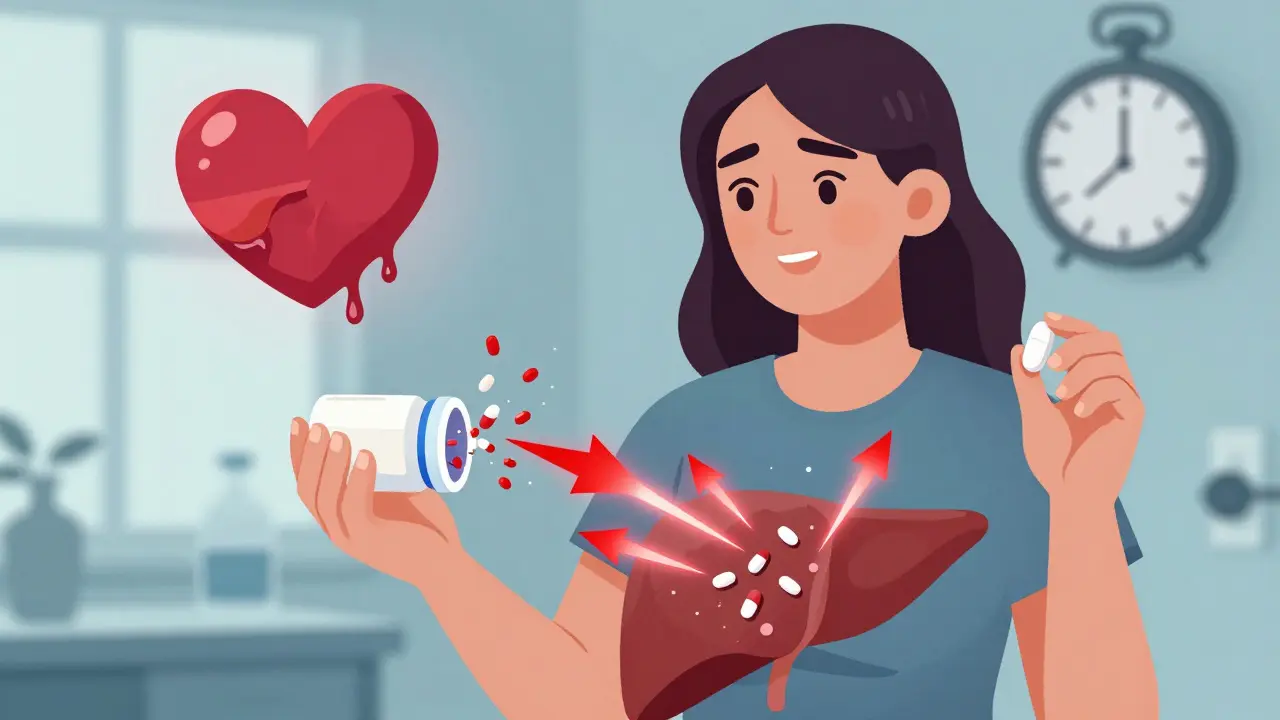
Carbamazepine can make birth control pills ineffective, leading to breakthrough bleeding and unplanned pregnancies. Learn why this happens, what methods actually work, and what to do if you're on both.
Category: Medicine and Pharmaceuticals - Page 3

Learn how to use manufacturer savings programs to cut costs on brand-name prescriptions. Find out who qualifies, how to enroll, and what limits to watch for-plus how these programs compare to other discounts.
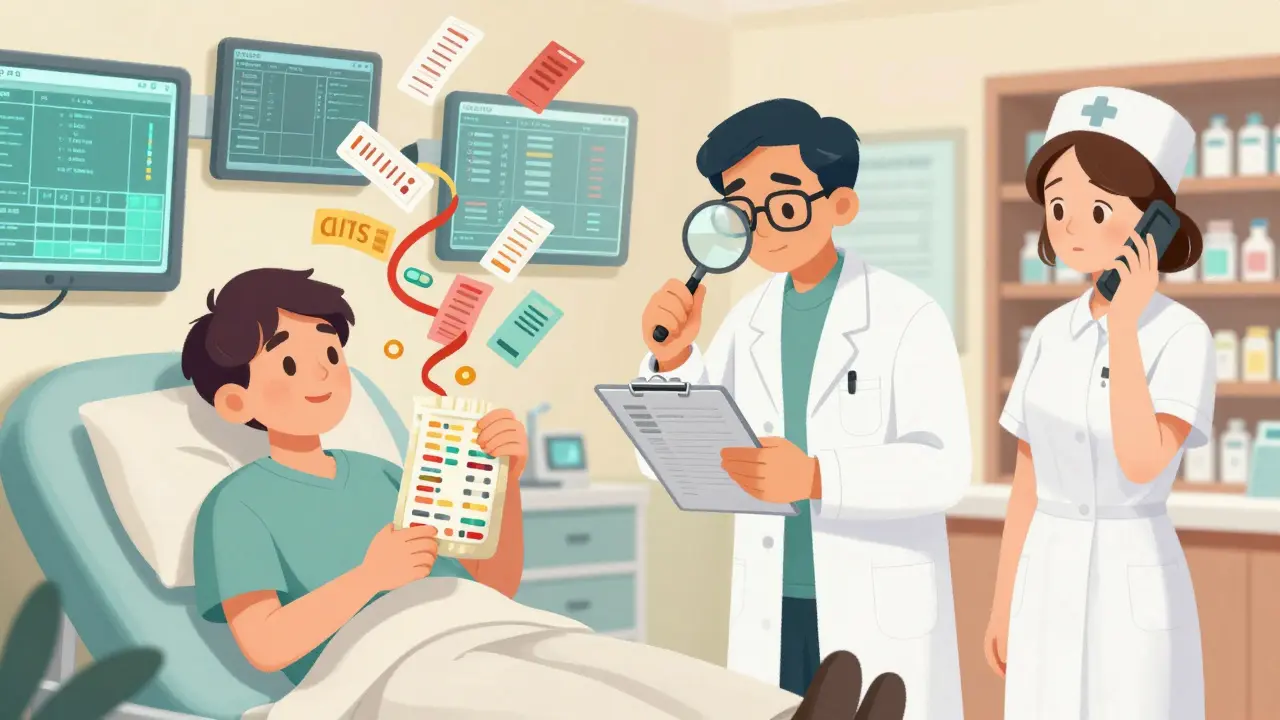
Medication errors during care transitions cause avoidable harm and hospital readmissions. Learn how medication reconciliation, pharmacist involvement, and patient engagement can prevent these errors and save lives.
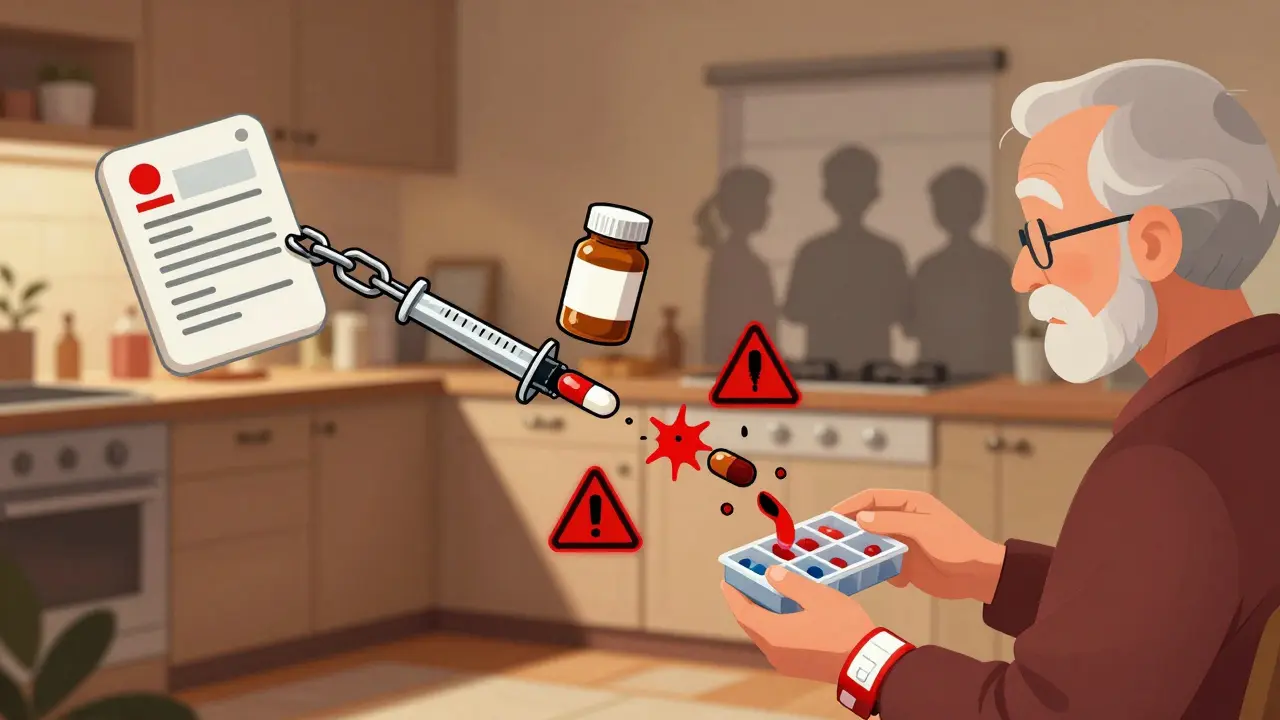
Medication safety prevents harmful errors in how drugs are prescribed, dispensed, and taken. With over 1.5 million ER visits yearly from preventable drug mistakes, knowing how to protect yourself is essential for every patient.
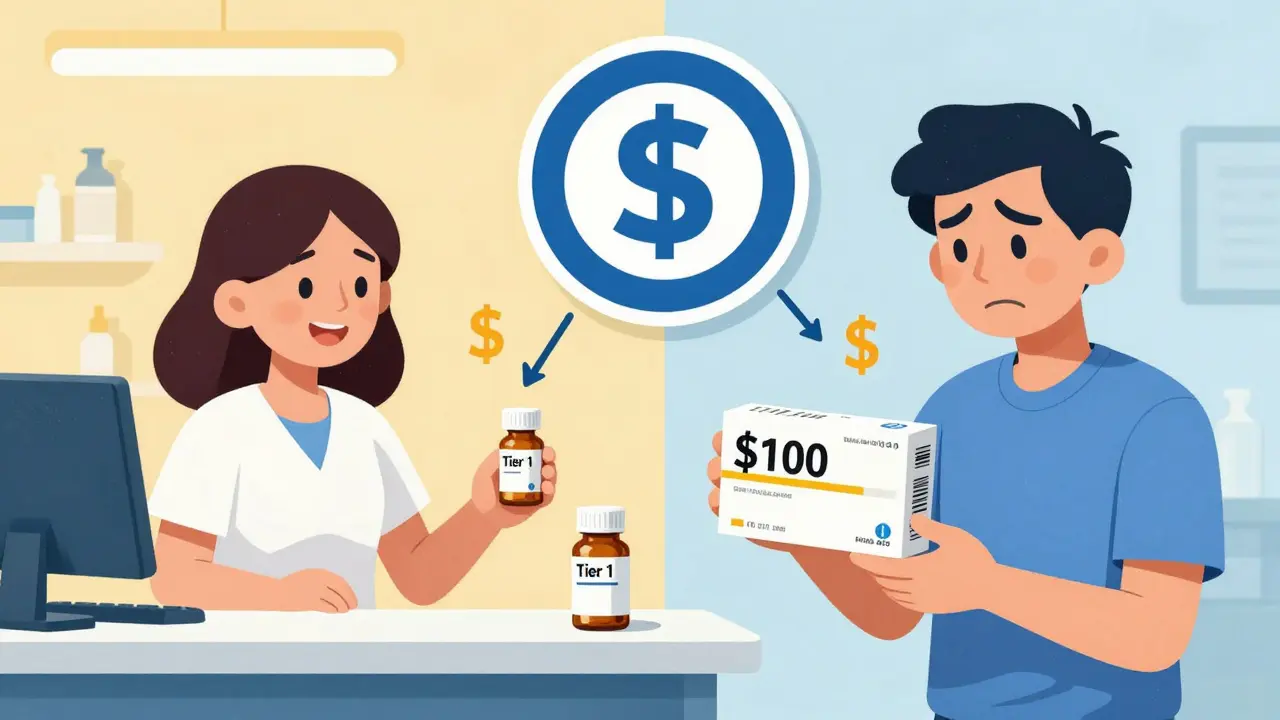
Learn the real costs of generic vs. brand name drug copays in 2024, how Medicare and private plans differ, and how to cut your prescription bills - even if you need brand medications.
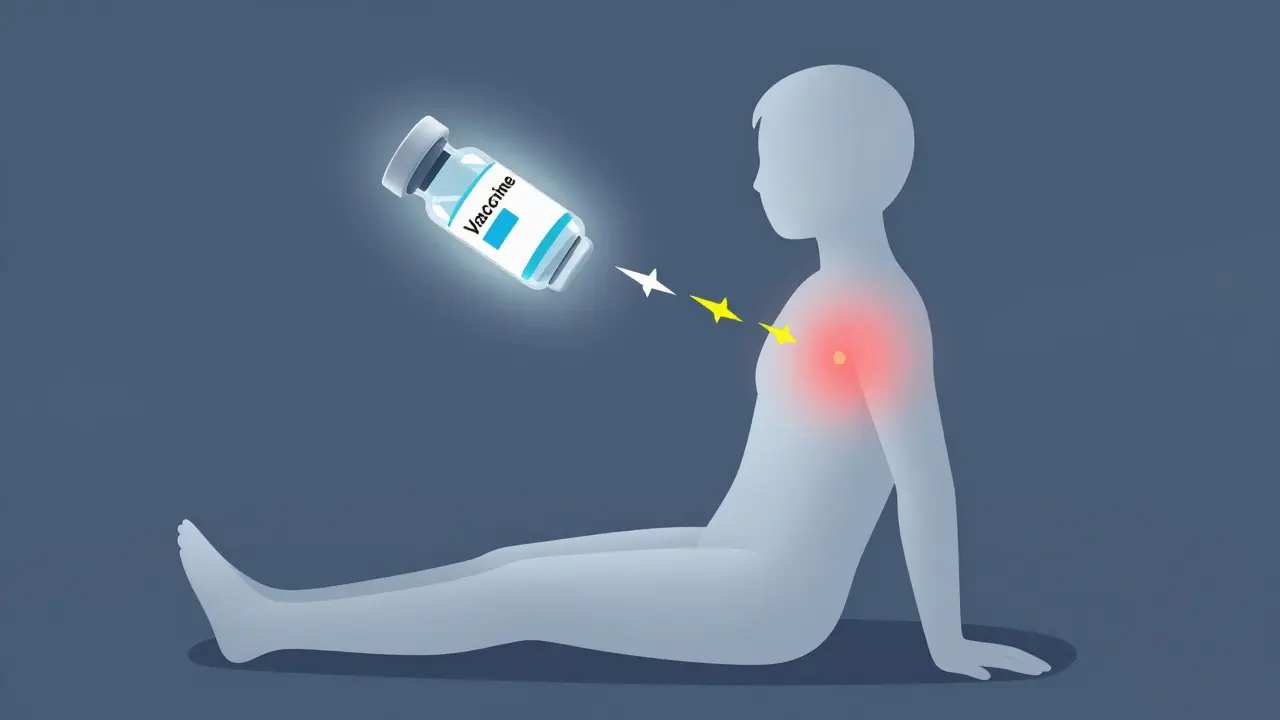
Vaccine allergic reactions are extremely rare, with anaphylaxis occurring in about 1 to 5 cases per million doses. Learn what causes them, how safety systems like VAERS catch them, and why skipping vaccines is far riskier than the reaction itself.
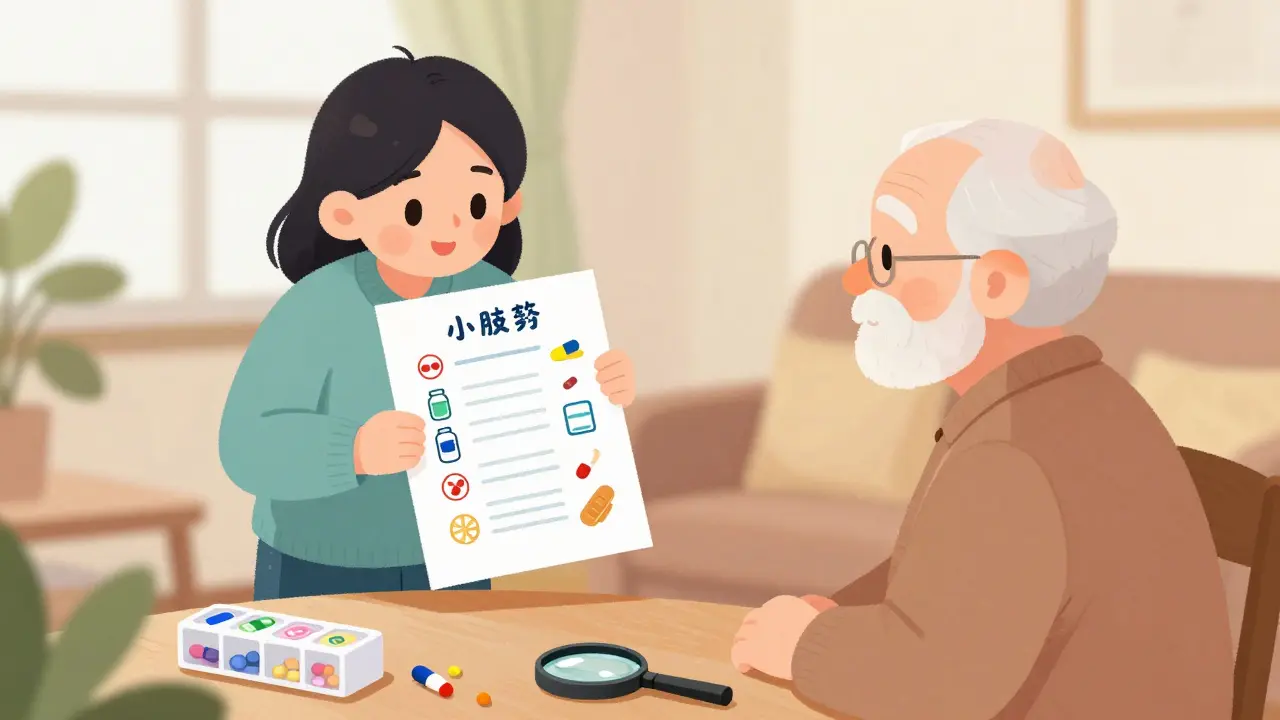
Learn how caregivers can prevent dangerous medication errors at home with simple, proven steps - from keeping accurate lists to using pill organizers and talking to pharmacists. Protect your loved one’s health with expert-backed safety practices.
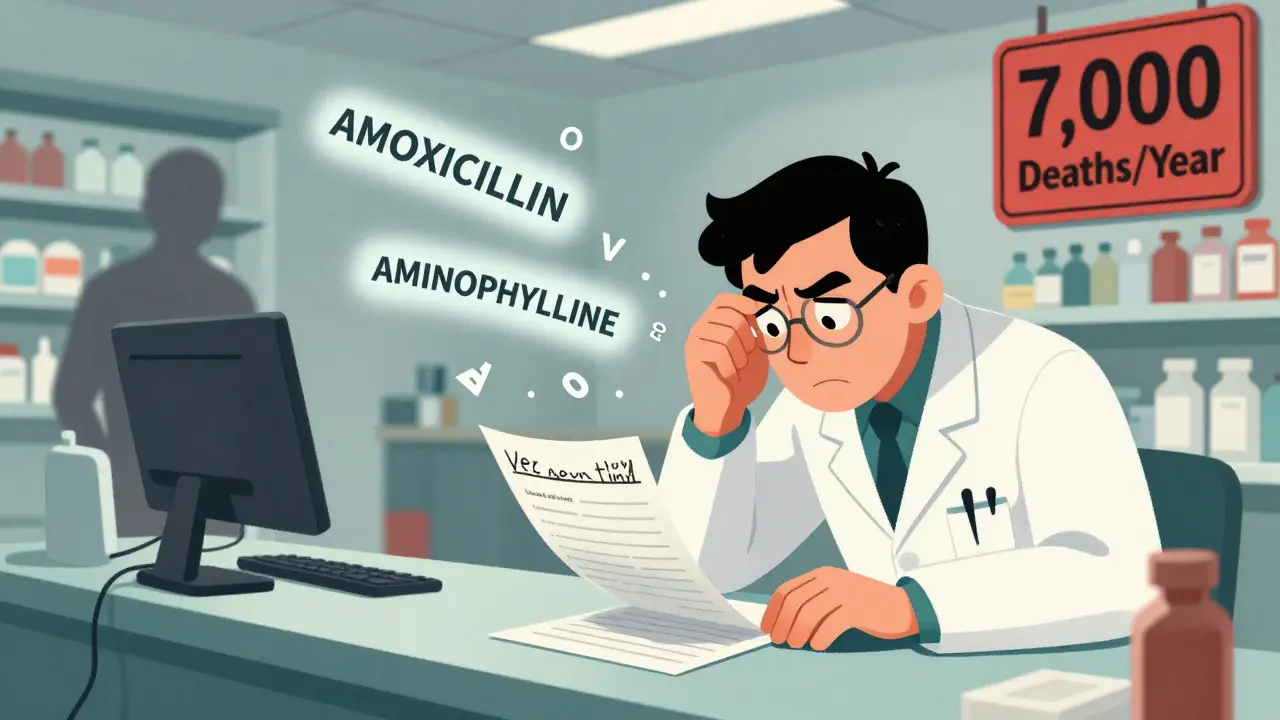
Illegible handwriting on prescriptions causes thousands of preventable deaths each year. E-prescribing has slashed these errors by 97%, saving lives and cutting operational chaos in healthcare systems worldwide.
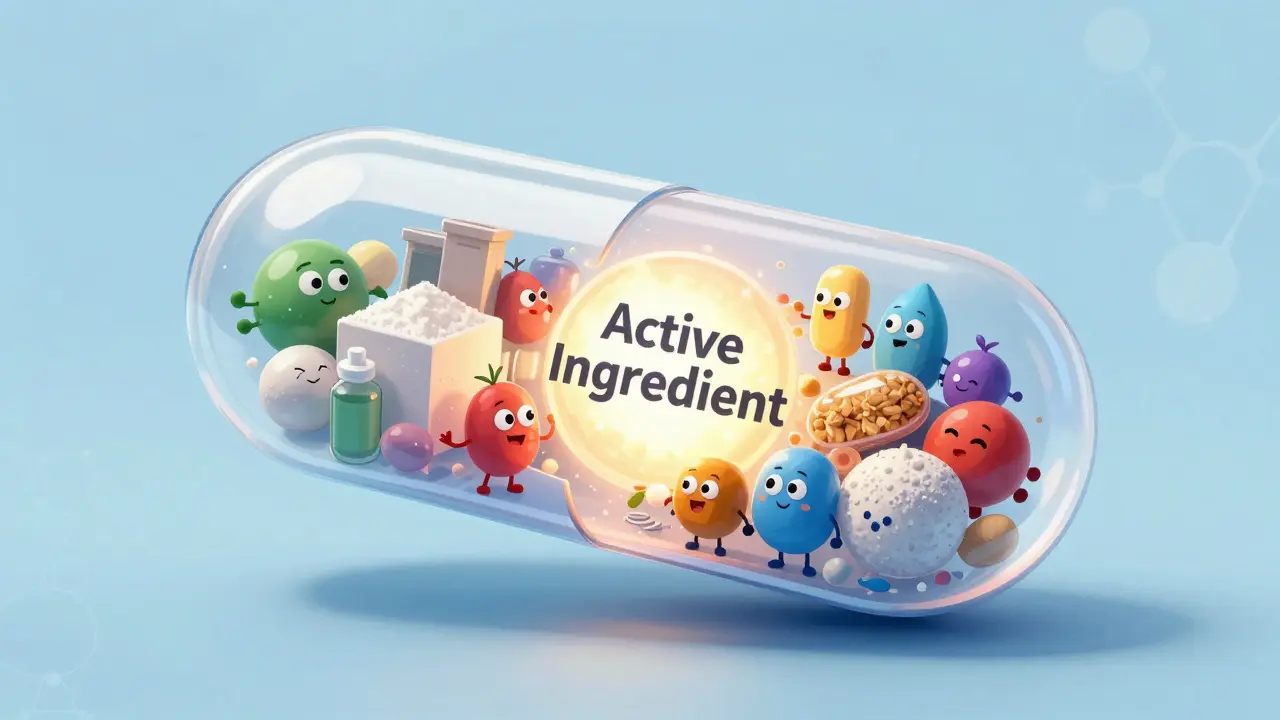
Active ingredients treat your condition. Inactive ingredients help the pill work - but they can also cause side effects. Learn why the difference matters for your safety and how to check what’s really in your meds.
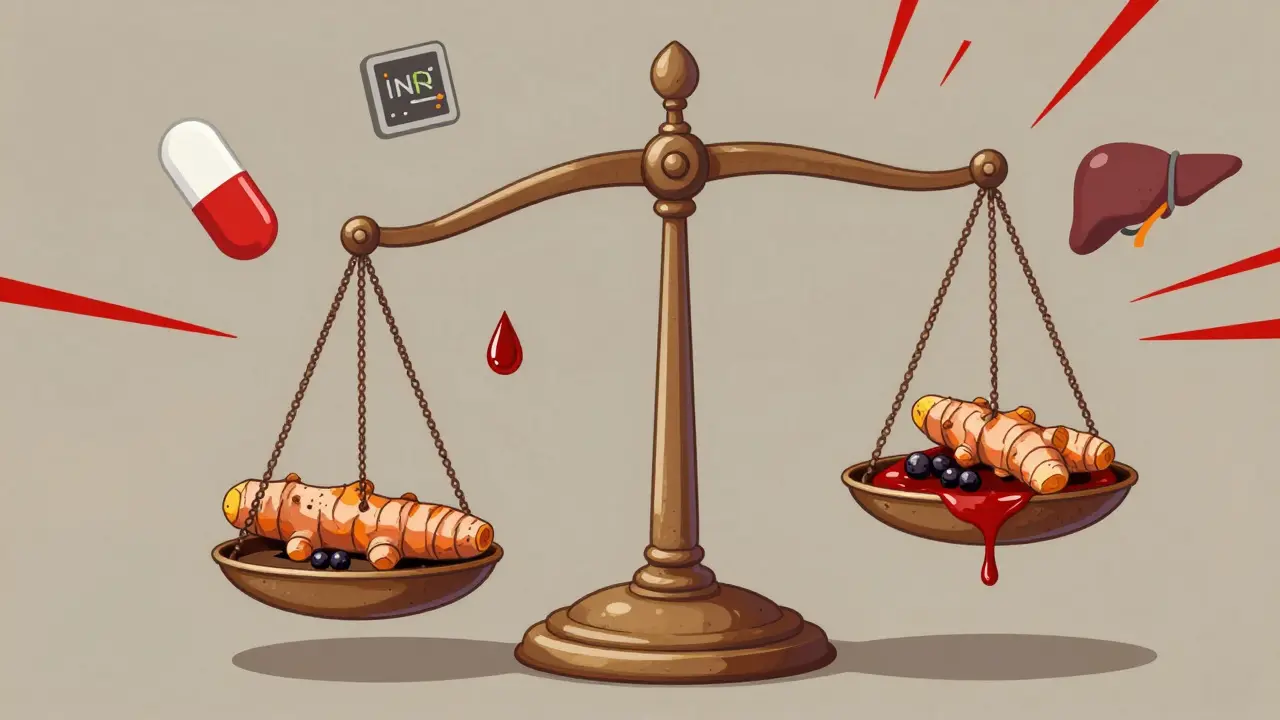
Turmeric and black pepper supplements can dangerously increase bleeding risk when taken with blood thinners like warfarin or apixaban. Medical experts warn against combining them due to unpredictable interactions and liver strain. Dietary turmeric is safe, but supplements are not.