
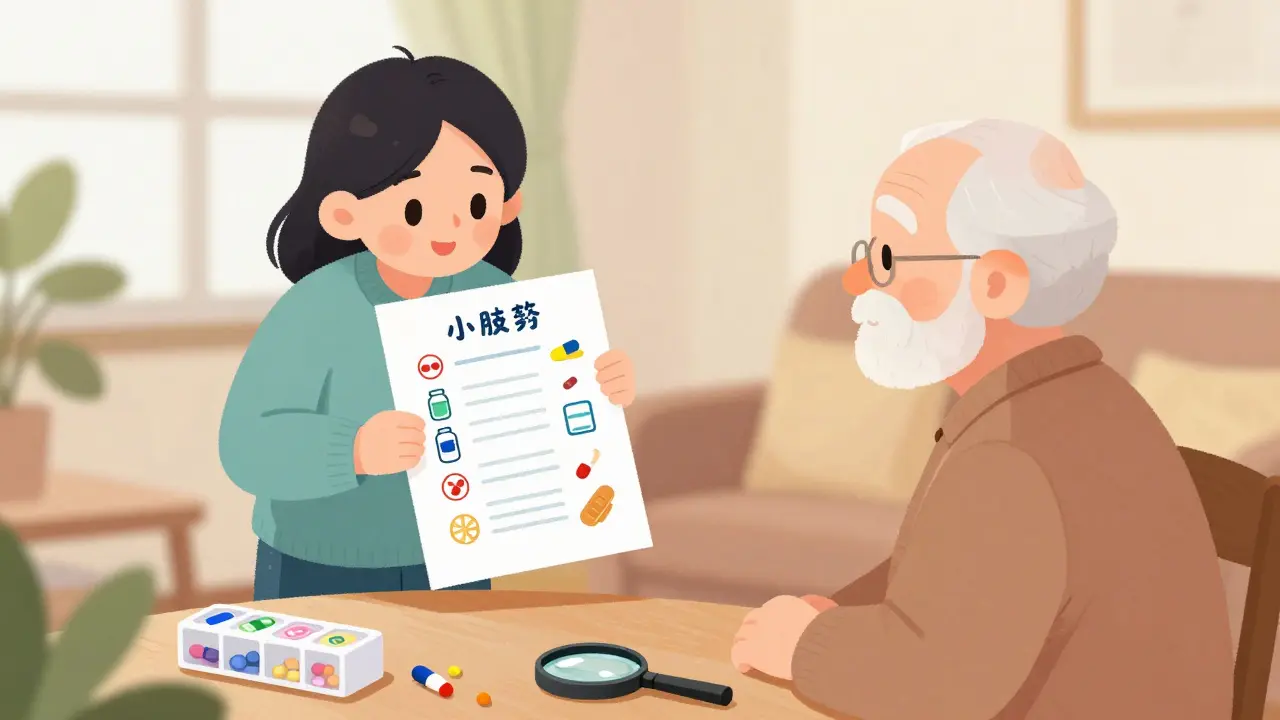
Every year, medication safety mistakes send over 1.5 million people to the hospital in the U.S. - and most of those errors happen at home, not in clinics. If you’re caring for an aging parent, a child with chronic illness, or someone with dementia, you’re likely managing multiple pills, liquids, patches, and injections. One wrong dose, one missed schedule, one confusing label - and the consequences can be life-changing. The good news? You don’t need to be a nurse to prevent these mistakes. With simple, proven steps, you can cut the risk of harmful errors by more than half.
Start with a Complete Medication List
Before you do anything else, write down every medication your loved one takes. Not just prescriptions. Include over-the-counter drugs like ibuprofen, sleep aids, or antacids. Even vitamins and herbal supplements count. Many caregivers forget these because they think they’re "safe," but they can interact dangerously with prescription meds. Your list needs four key details for each item:- Brand and generic name (e.g., "Lipitor" and "atorvastatin")
- Exact dosage (e.g., "10 mg tablet," not just "10 mg")
- When and how to take it (e.g., "Take with food at 8 a.m. and 8 p.m.")
- Why it’s prescribed (e.g., "for high blood pressure")
Know the High-Risk Medications
Not all drugs are created equal. Some are especially dangerous for older adults or people with certain conditions. The Beers Criteria, updated every few years by the American Geriatrics Society, lists 30 medications that should be avoided or used with extreme caution in seniors. Common ones include:- Benzodiazepines (like diazepam or lorazepam) - increase fall risk and confusion
- Proton pump inhibitors (like omeprazole) - long-term use linked to bone loss and infections
- Anticholinergics (like diphenhydramine in Benadryl) - can cause memory problems and dizziness
Use the Right Tools to Measure and Organize
Measuring liquid medicine with a kitchen spoon? That’s a recipe for error. A 2021 study in JAMA Pediatrics showed household spoons vary by 20-40% in volume. Always use the oral syringe that comes with the medicine - or buy one at the pharmacy. They’re cheap, accurate, and labeled in milliliters (mL). For people taking five or more pills a day - especially those with memory issues - a seven-day pill organizer with AM/PM compartments is essential. The Alzheimer’s Association recommends this for dementia patients. But don’t just buy any organizer. Look for ones with alarms or that connect to apps like Medisafe or CareZone. A 2023 survey from the Caregiver Action Network found caregivers using these apps had 32% fewer missed doses. If your loved one is tech-resistant, that’s okay. A simple plastic organizer with big labels and a checklist taped to the fridge works too. The goal isn’t fancy tech - it’s consistency.Watch for Look-Alike and Sound-Alike Drugs
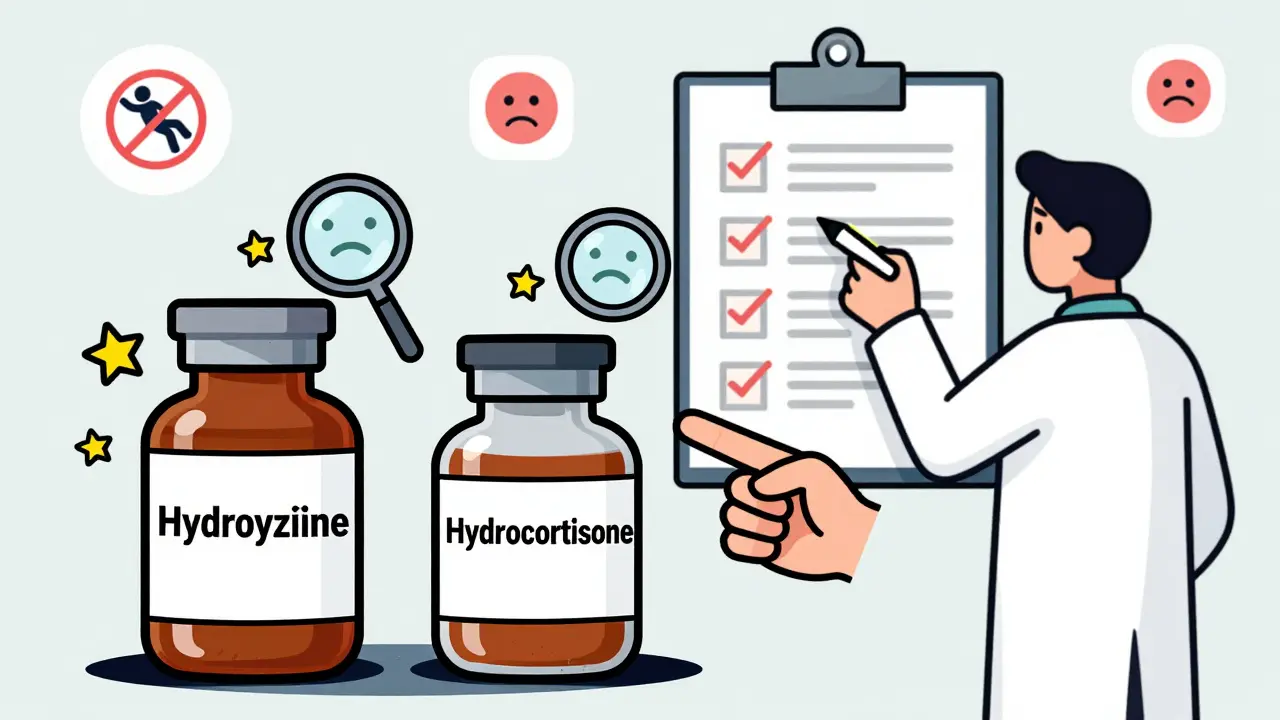
Medication errors often happen because two drugs sound or look similar. Hydroxyzine (for allergies) vs. hydrocortisone (for skin rashes). Zyrtec vs. Zoloft. A 2022 analysis by the Institute for Safe Medication Practices found these mix-ups cause 15% of reported errors. To avoid this:- Always read the label out loud before giving a pill
- Keep similar-looking meds in separate containers
- Ask the pharmacist to print labels in bold, large font
- Use a highlighter to mark the drug name on the bottle
Don’t Skip the Pharmacist
Most caregivers treat the pharmacy as a pickup spot. That’s a mistake. Pharmacists are medication experts - and they’re often the first to catch dangerous interactions. Schedule a free Medication Therapy Management (MTM) review at least once a year. Medicare Part D requires pharmacies to offer this to patients taking eight or more chronic meds. Even if your loved one doesn’t qualify, ask anyway. Many pharmacies do it for free. In one verified case from FamilyCaregiver.org, a caregiver asked for an MTM review and discovered three dangerous drug interactions the doctor hadn’t caught. That single visit likely prevented a hospital stay. Also, spend 15 minutes every time you pick up a new prescription. Ask:- "What’s this for?"
- "What side effects should I watch for?"
- "Does this interact with any other meds?"
- "Is there a cheaper version?"
Manage Transitions Between Care Settings
The most dangerous time for medication errors is when someone moves from hospital to home. A 2022 study by Dr. Joanne Lynn found 62% of errors happen during these transitions. The CARE Act, now in effect in 47 states, requires hospitals to give caregivers clear medication instructions before discharge. But don’t rely on them. When your loved one comes home:- Get a printed list of all changes: what was added, stopped, or changed
- Compare it to the pre-hospital list you made
- Call the pharmacy to confirm all new prescriptions are filled correctly
- Set up a follow-up appointment with their primary doctor within 7 days
Check Expiration Dates and Storage
Most people don’t realize how much heat, light, and moisture can ruin medicine. The FDA says most pills should be stored between 68-77°F (20-25°C), away from bathrooms and kitchens. Don’t leave insulin in the car. Don’t keep pills in a sunlit medicine cabinet. The FDA’s 2023 report found 90% of caregivers don’t check expiration dates regularly. That’s dangerous. Expired antibiotics can lose potency. Expired epinephrine auto-injectors may not work in an emergency. Set a weekly reminder: spend 10 minutes checking all meds. Toss anything expired, discolored, or smelling odd. Keep a small bin in the garage or closet for safe disposal - don’t flush or throw in the trash.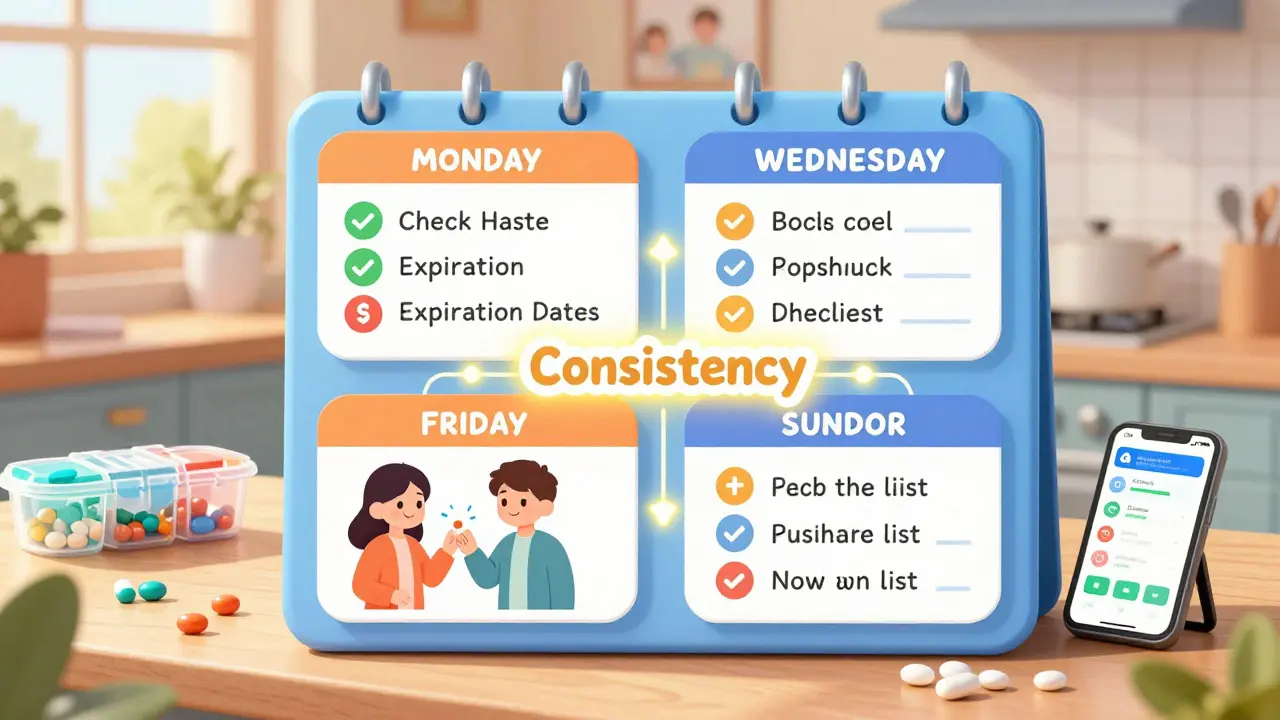
Use Technology Wisely
Apps like Medisafe, CareZone, and MyTherapy send reminders, track doses, and alert you to interactions. But they’re not for everyone. A 2023 National Institute on Aging focus group found 27% of caregivers over 65 find them confusing or frustrating. If tech works for you: use it. If not: stick with paper lists, alarms on your phone, or a simple pill box with a written schedule. The best system is the one you’ll actually use.Build a Safety Routine
Medication safety isn’t a one-time task. It’s a daily habit. Here’s a simple weekly routine:- Monday: Check expiration dates and refill supplies
- Wednesday: Verify all doses were taken (ask your loved one or check the app)
- Friday: Review any new prescriptions or changes with the pharmacist
- Sunday: Update your medication list if anything changed
What to Do If You Suspect an Error
If your loved one seems confused, drowsy, unsteady, or has sudden nausea or rash after a new medication:- Stop giving the drug immediately
- Call the pharmacist or doctor - don’t wait
- Write down the time, dose, and symptoms
- Bring the pill bottle to the appointment
Final Thought: You’re the Most Important Line of Defense
Medication errors aren’t caused by bad doctors or lazy nurses. They happen because the system is complex - and caregivers are the glue holding it together. You’re not just helping someone take pills. You’re preventing falls, strokes, hospitalizations, and even death. You don’t need to be perfect. You just need to be consistent. One list. One pill box. One question to the pharmacist. One weekly check. Those small actions add up to real safety.What’s the most common mistake caregivers make with medications?
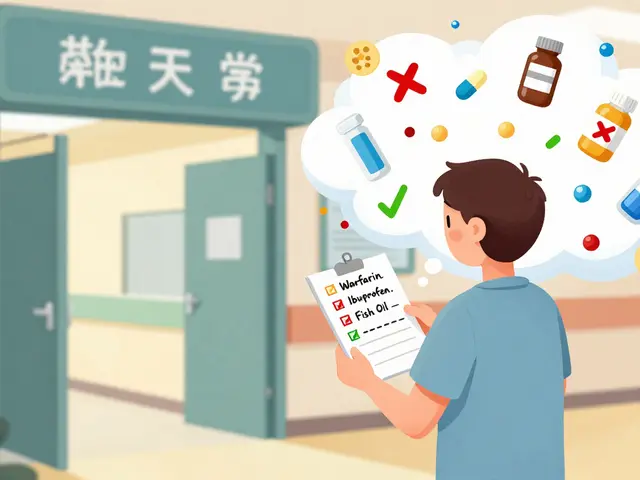
The most common mistake is assuming all medications are safe - especially over-the-counter drugs and supplements. Many caregivers don’t realize that common items like Benadryl, ibuprofen, or fish oil can interact dangerously with prescription drugs. Always include everything on your medication list and review it with a pharmacist.
How do I know if a medication is still necessary?
Ask the doctor: "Is this still helping?" and "Are there side effects I should watch for?" Many older adults are on medications prescribed years ago for conditions that have changed. A 2021 study found nearly half of seniors take at least one drug with more risks than benefits. Regular reviews with a pharmacist can help identify these.
Can I trust the pharmacy’s label?
Always verify. Pharmacies make mistakes too - especially with look-alike or sound-alike drugs. Compare the label to your own medication list. If the name, dosage, or instructions don’t match, ask the pharmacist to double-check. Don’t be afraid to say, "I need to make sure this is right."
What should I do if my loved one refuses to take their meds?
Don’t force it. First, find out why. Is it because of side effects? Cost? Confusion? Talk to the doctor about alternatives - maybe a different pill, a liquid form, or a lower dose. Sometimes, simplifying the schedule helps. If memory is the issue, use a pill organizer with alarms. If the problem is emotional, consider counseling or support groups for caregivers.
Are there free resources to help me manage medications?
Yes. Medicare Part D offers free Medication Therapy Management (MTM) for those on eight or more chronic meds. The Caregiver Action Network provides free downloadable medication logs and checklists. The CDC’s website has printable guides for caregivers. Many pharmacies also offer free pill organizers and refill synchronization programs.


January 28, 2026 AT 00:03 AM
lol so now we gotta be pharmacists too? my dad takes 12 pills and i just hand him the whole damn cup and hope for the best. if he dies its cos the system failed not me. 😂
January 28, 2026 AT 12:13 PM
This is so needed. My grandma was on 8 meds and we didn’t even know half were for something she didn’t have anymore. Took her to the pharmacist, they pulled 4. She’s been brighter since. 🙏
January 29, 2026 AT 11:15 AM
The real tragedy isn’t the errors-it’s that we’ve outsourced care to pills while abandoning presence. A human voice saying "I’m here" matters more than a pill organizer. But since we live in a world that measures value in efficiency, not love, we get checklists instead of hugs. 🌿
January 31, 2026 AT 03:05 AM
Pharmacies are profit machines. They don’t care if you die from a mix-up. The system is designed to fail you. They’ll sell you expired insulin and call it "FDA approved." Wake up.
February 2, 2026 AT 00:28 AM
If you’re not tracking every single thing your loved one takes down to the milligram, you’re not caring-you’re gambling. Stop making excuses. This isn’t hard. It’s just inconvenient for you.
February 3, 2026 AT 20:03 PM
I cried reading this. My mom in India was given a drug that made her hallucinate-no one checked her list. We didn’t know Benadryl was dangerous for elders. This post saved my future self. Thank you from the bottom of my heart 💛
February 5, 2026 AT 14:43 PM
So let me get this straight-you want me to become a full-time pharmacist, nurse, detective, and emotional support human… and if I forget one pill, I’m the villain? 😌 I’ll take the pill organizer and the emoji reminders. I’m not a saint, I’m just trying not to lose my mind.
February 7, 2026 AT 08:24 AM
The data is solid. The emotional weight is real. But the solution? It’s a Band-Aid on a hemorrhage. The real issue is a healthcare system that treats elderly care as an afterthought. This post is helpful. It’s also a symptom.
February 9, 2026 AT 05:18 AM
I just want to say thank you to everyone who does this. I know it’s exhausting. I know it’s messy. I know you’re tired. You’re not alone. And you’re doing more than you realize. 🤍
February 10, 2026 AT 14:41 PM
I started using Medisafe after my aunt almost took two doses of blood pressure med by accident. Now I get a little ding every morning and a 📊 chart at the end of the week. It’s not perfect, but it’s my little safety net. You got this, fam! 💪💊
February 10, 2026 AT 17:44 PM
My mom refuses to use any app. So I printed out a big chart with pictures of each pill and taped it to the fridge. Every morning, she points to the picture and I check it off. Simple. Works. No tech needed.