
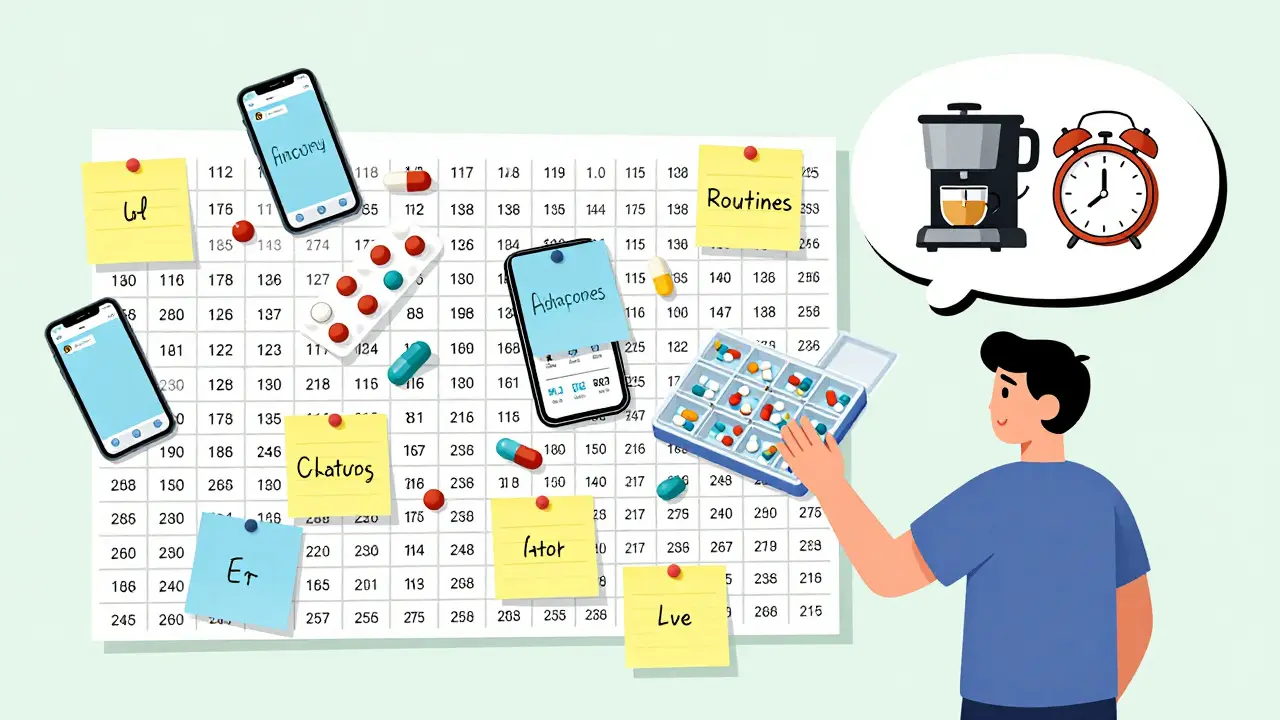
Learn the most effective coping strategies for taking chronic medication long-term. Discover what actually improves adherence, what doesn’t, and how to build a sustainable routine that works for your life.
Category: Medicine and Pharmaceuticals - Page 2
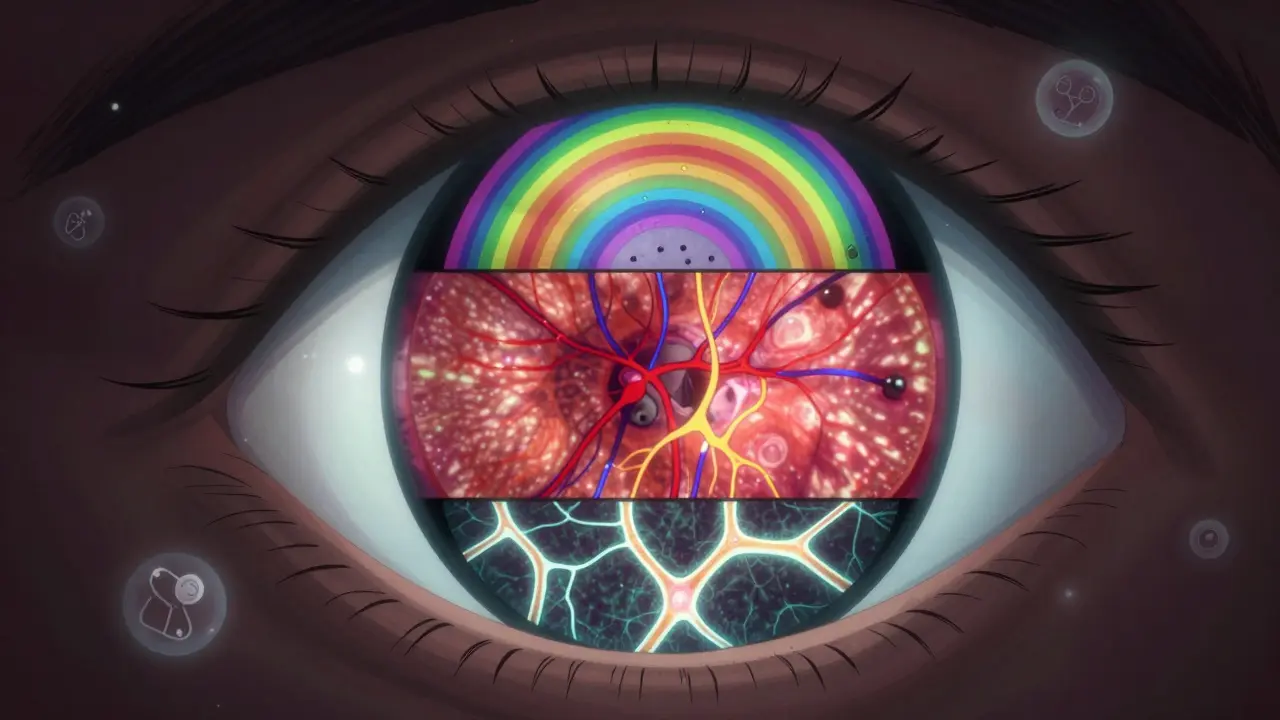
OCT, fundus photography, and fluorescein angiography are key tools for diagnosing retinal diseases. Each offers unique insights-OCT shows structure, FA reveals leakage, and OCTA maps blood flow without dye. Together, they save vision.
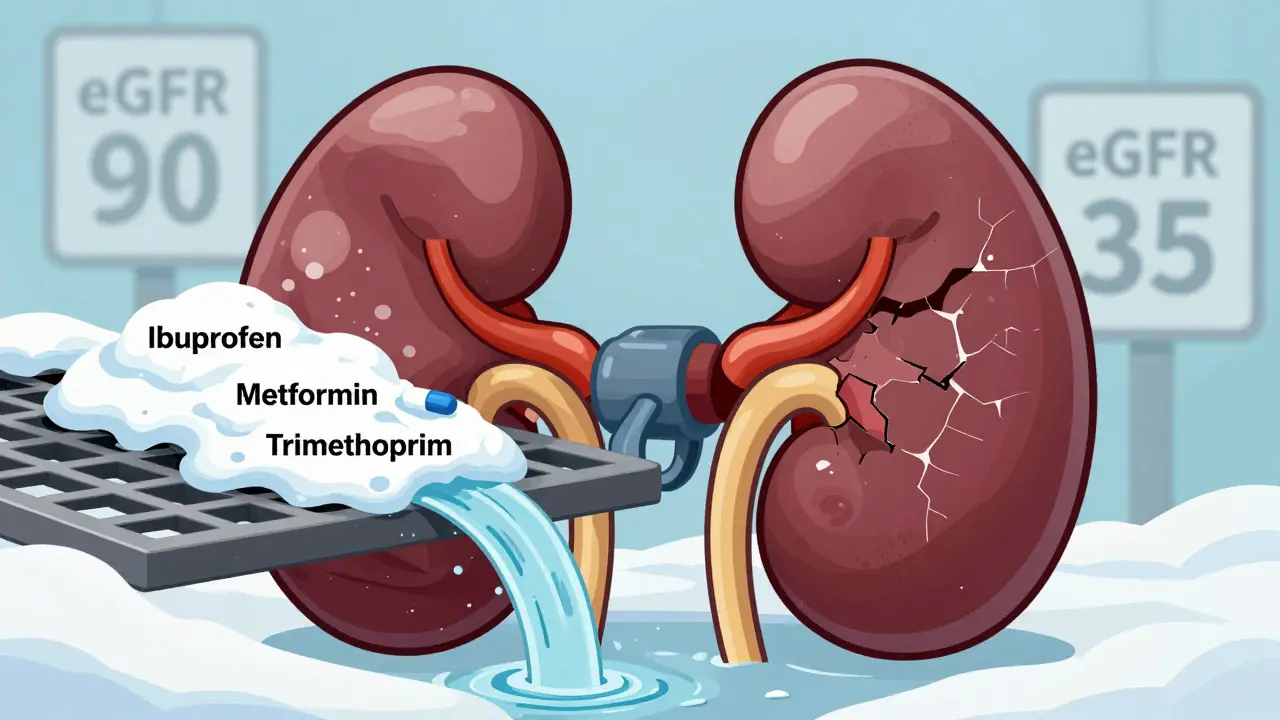
Kidney disease slows drug clearance, causing dangerous buildup. NSAIDs, metformin, and common antibiotics can become toxic without proper dosing. Learn which meds to avoid and how to stay safe.
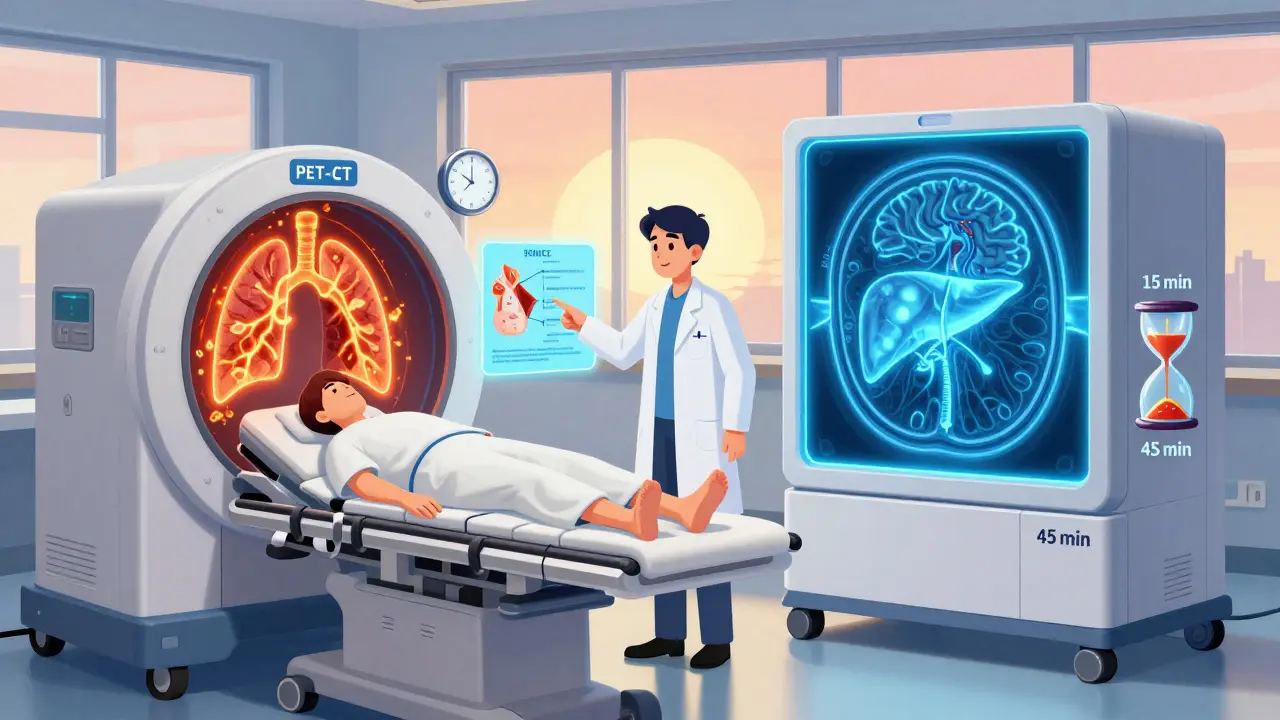
PET-CT, MRI, and PET-MRI each play unique roles in cancer staging. PET-CT is fast and widely used, MRI excels in soft tissue detail without radiation, and PET-MRI offers superior accuracy for complex cases-though at higher cost and longer scan times.
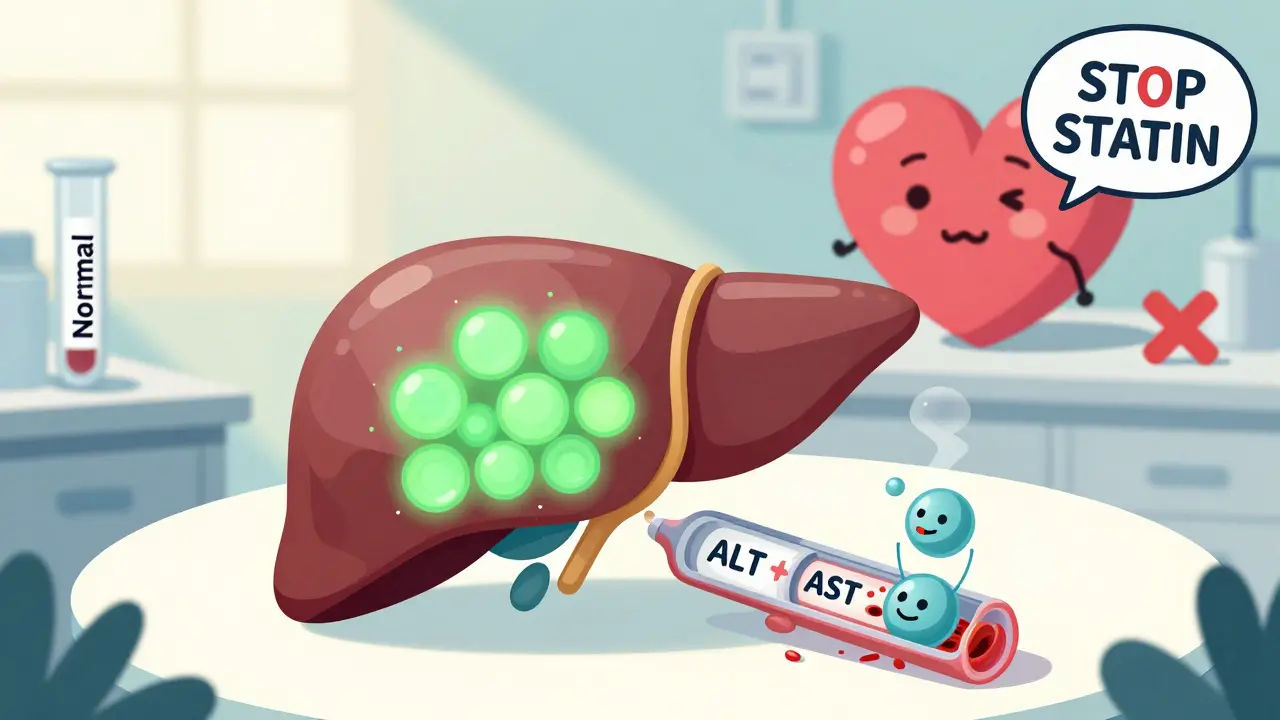
Statin-related liver enzyme elevations are common but rarely dangerous. Learn why routine testing is outdated, which statins are safest, and why stopping your medication over a mild lab result could put your heart at risk.
The FDA's black box warning on antidepressants for youth was meant to reduce suicide risk - but evidence shows it may have led to fewer treatments and more suicide attempts. Here's what the data really says.
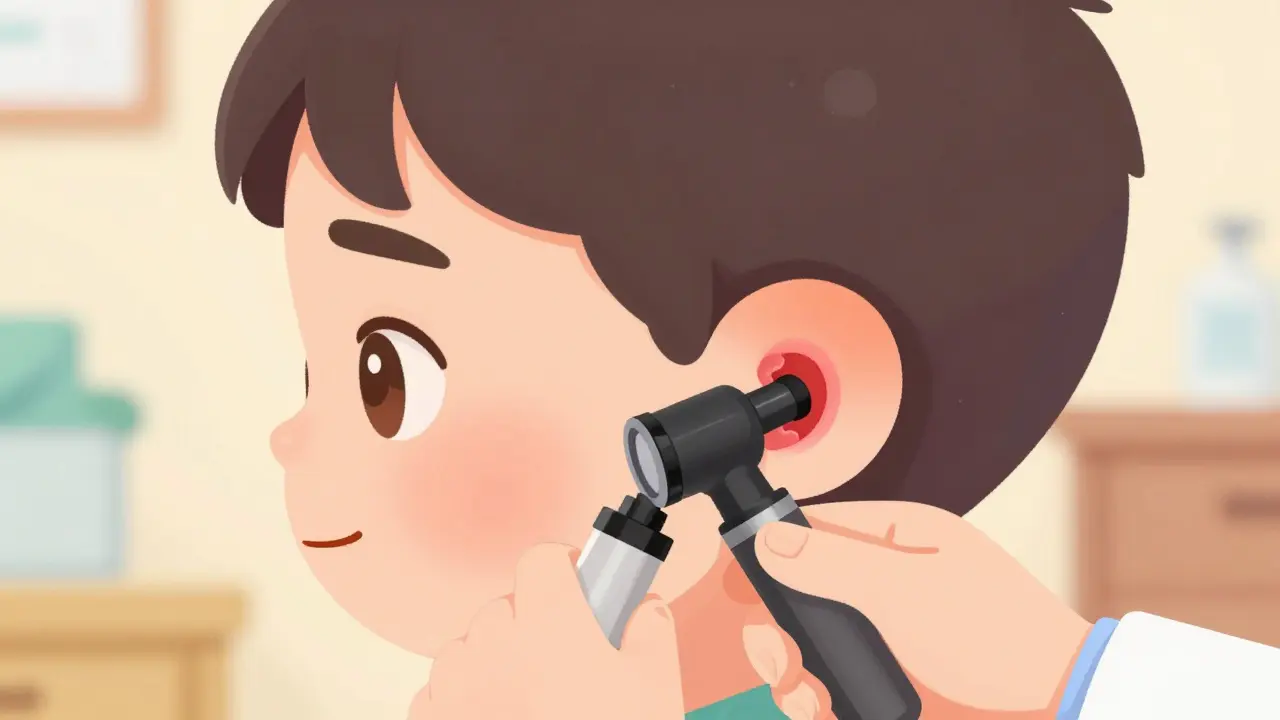
Learn how to manage ear infections in children with evidence-based guidance on antibiotics, watchful waiting, and ear tubes. Understand when each approach is appropriate for your child's health.

PHRs consolidate your medication history from multiple pharmacies into one place. They prevent errors, save time, and give you control. But challenges like missing OTC data exist. Learn how to use them effectively and compare top systems like Apple Health and My Health Record.
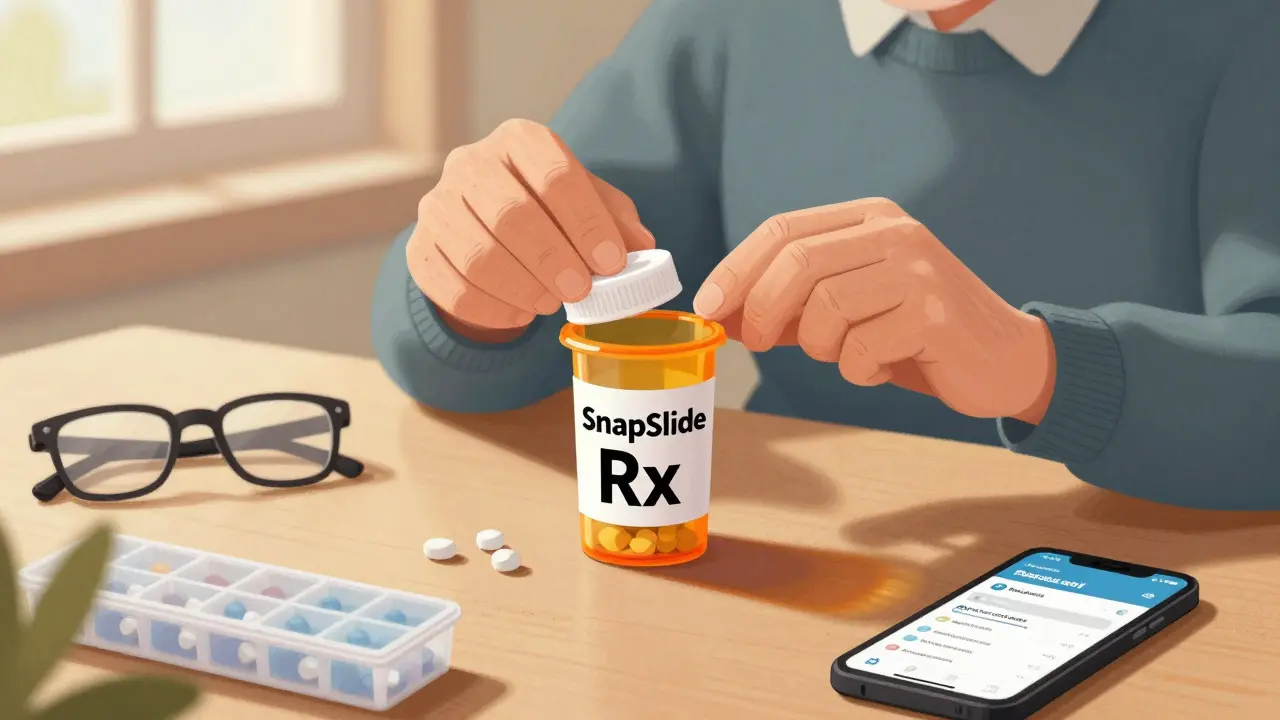
Learn how to request easy-open caps and large-print labels for prescription meds. Know your rights, what options exist, and how to get them-even if your pharmacy says no.
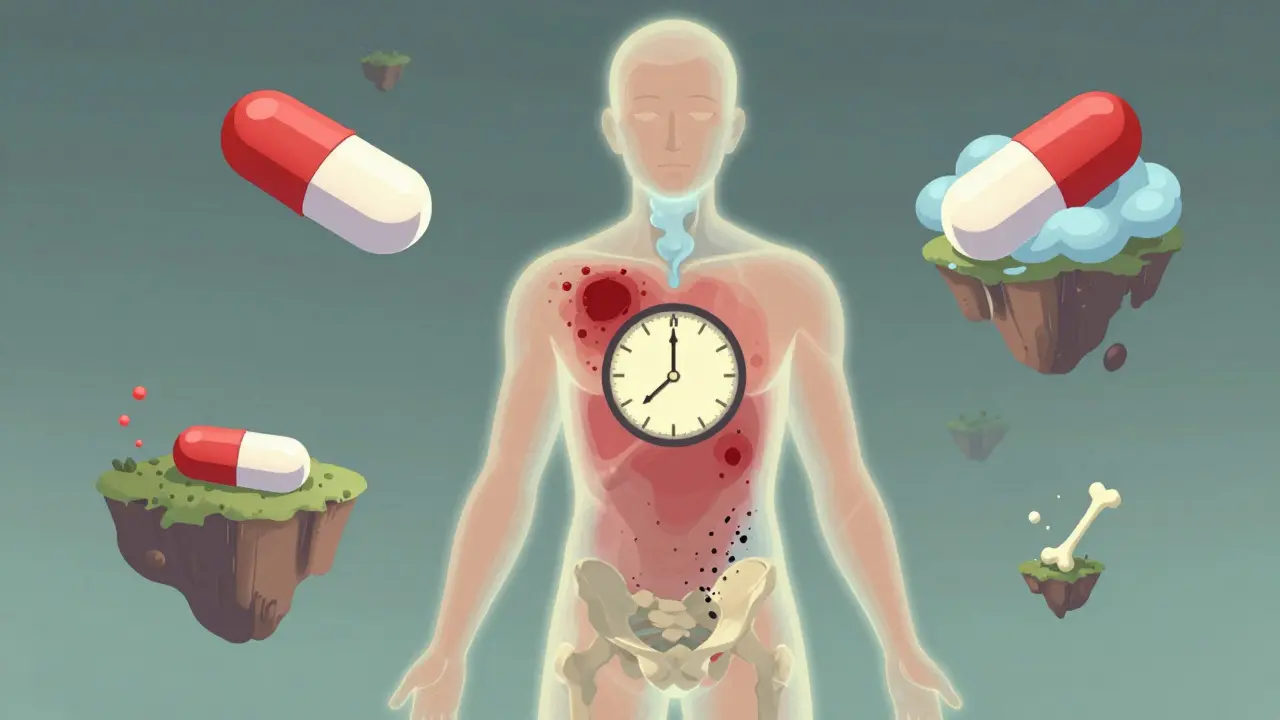
Delayed medication side effects can appear weeks or years after starting a drug, often mistaken for other illnesses. Learn which medications carry hidden risks, who’s most vulnerable, and how to recognize the warning signs before it’s too late.