
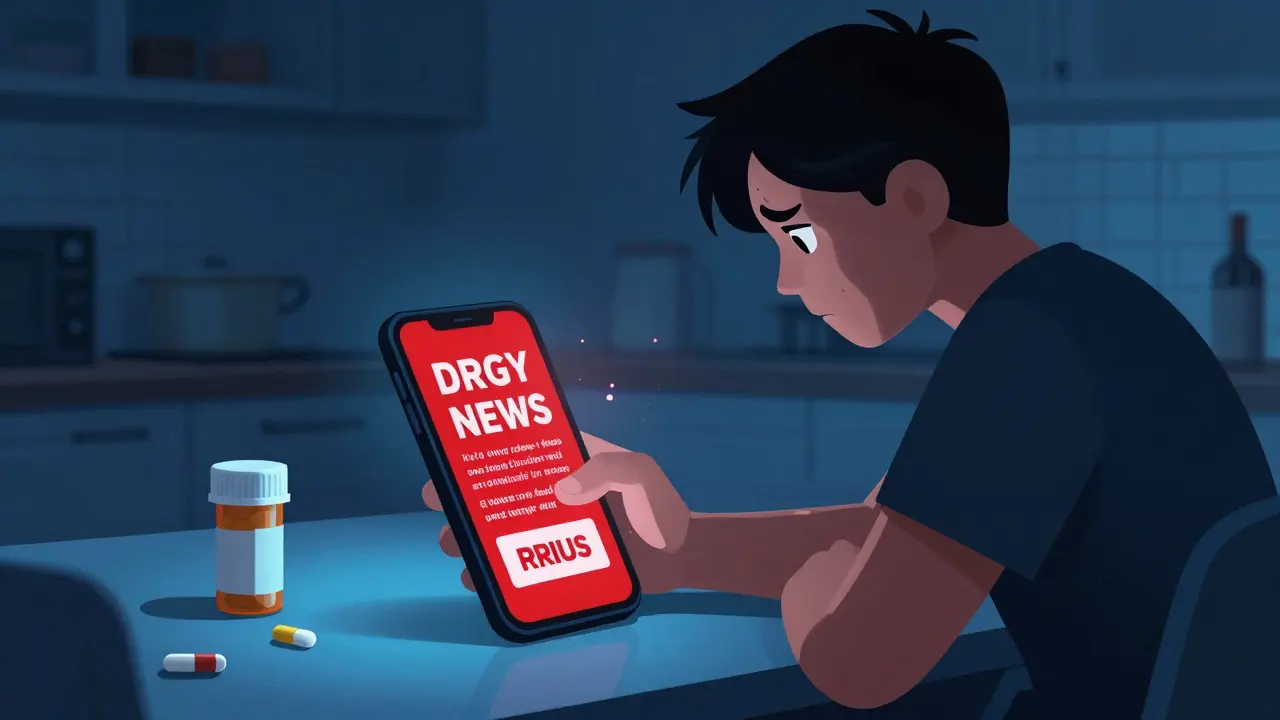
Learn how to verify drug recall news using FDA tools, lot numbers, and official event codes to avoid misinformation and health risks.
Medicine and Pharmaceuticals – Safe Buying, Alternatives & Quick Tips
If you’ve ever wondered where to find reliable info about meds, you’re in the right spot. This page pulls together easy‑to‑follow guides on buying drugs online, swapping out prescription pills for safer options, and spotting red flags before you click ‘order.’ We keep it simple so you can make smart choices without a pharmacy degree.
How to Choose a Trusted Online Pharmacy
First off, never assume any website is legit just because the price looks amazing. Here’s what works every time:
- Check the licence. Look for a clear pharmacy registration number and verify it on your country’s health authority site.
- Read real reviews. Skip the testimonials that read like ads. Search third‑party forums or consumer watchdog pages for honest feedback.
- Confirm prescription requirements. Any reputable pharmacy will ask for a valid doctor’s note before shipping prescription meds like Wellbutrin or Clindamycin.
- Compare pricing. If a deal is far below market rate, it probably isn’t genuine. Use price check tools to see what the average cost should be.
- Look for secure checkout. HTTPS in the URL and trusted payment gateways (PayPal, Stripe) keep your data safe.
Follow these steps and you’ll cut down on scams, counterfeit pills, and nasty side effects from sub‑standard products.
Popular Guides & Alternatives You’ll Find Here
We’ve written dozens of short guides that walk you through specific meds. A few highlights:
- Armod online buying guide (2025 update). Shows which Australian sites are vetted, what costs to expect, and how to stay legal.
- Wellbutrin purchase tips. Covers prescription verification, safe shipping, and common scams.
- Clindamycin buying checklist. Lists trusted pharmacies, dosage safety, and what to do if you see a different brand.
- Hydrocodone alternatives. Nine non‑opioid options ranging from NSAIDs to physical therapy that actually help manage chronic pain.
- Motilium replacements for nausea. Ten choices, including Zofran and ginger, with pros, cons, and when each works best.
Each guide follows the same pattern: a quick safety rundown, step‑by‑step ordering instructions, and a short FAQ that answers the most common worries. You can skim for the headline you need or dive deep if you like details.
What makes this page different? We focus on what matters to you right now – price, legality, side effects – instead of dumping endless medical jargon. If you’re looking for a fast answer (like “Can I buy Mirabegron for weight loss?”) we give a straight‑to‑the‑point summary and point you to the full article.
Bottom line: buying meds online doesn’t have to be a gamble. Use our checklists, read the specific drug guides, and always keep your doctor in the loop. Got a question that isn’t covered? Drop us a comment on any guide page and we’ll add the info you need.
Ready to browse? Start with the guide that matches your current health goal and move from there. Safe buying, smarter choices – it’s all right here.
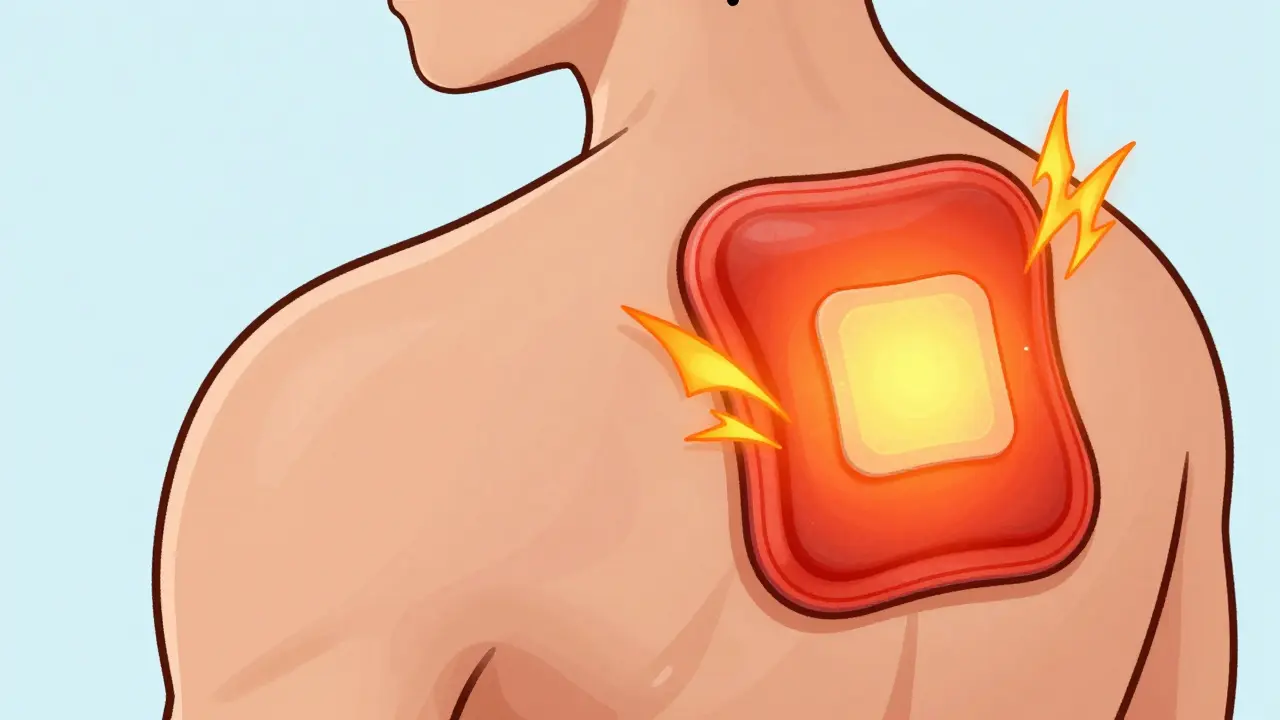
Learn how heat exposure from heating pads, fevers, and hot showers can dangerously increase fentanyl patch absorption and lead to a life-threatening opioid overdose.
Explore how FDA safety alerts work for generic drugs, covering MedWatch, labeling controversies, and patient safety implications in 2026.

Explore how family history and genetic factors influence your body's response to generic and brand-name medications, ensuring safer and more effective treatment.
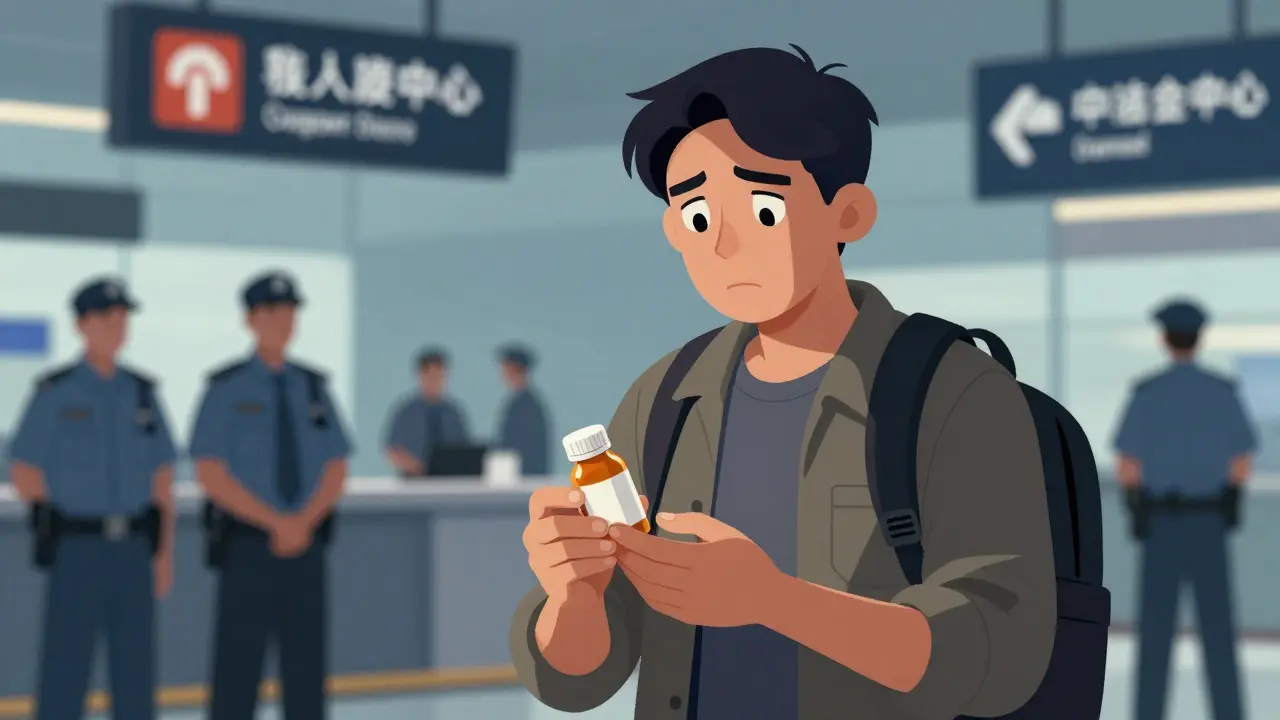
Navigate the complex rules of transferring prescriptions across borders. Learn how to handle medication imports, understand regional differences between the US, EU, and Asia, and prepare the right documentation.
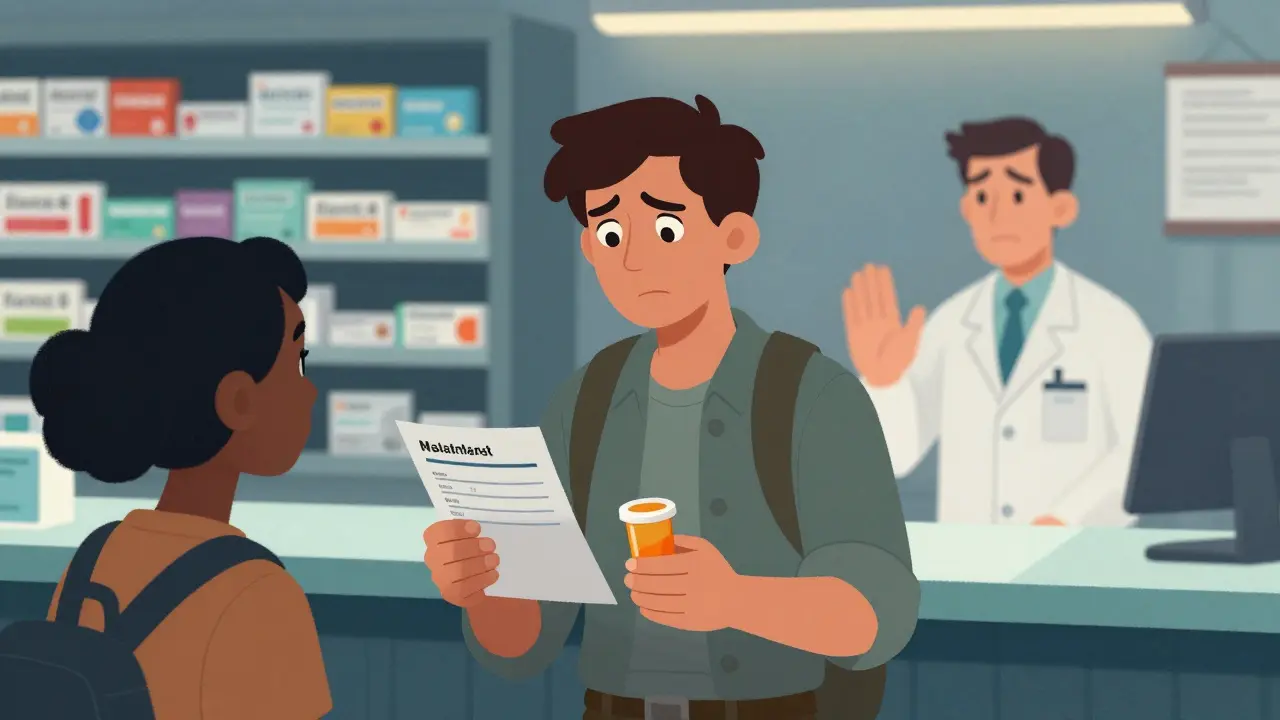
Navigate the complex rules of international prescription transfers with our guide to documentation, regional laws, and customs compliance for travelers.
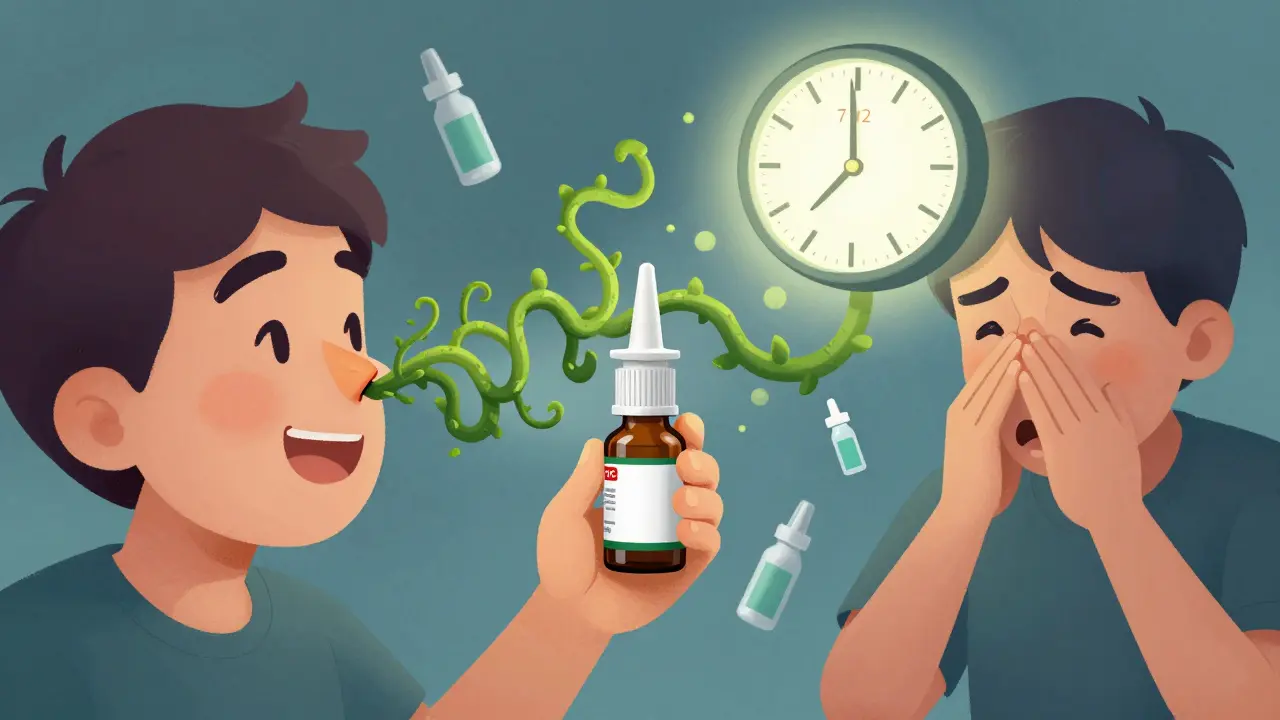
OTC nasal sprays give quick relief but can cause worse congestion if used over three days. Learn how rebound congestion happens and how to use safer alternatives like saline and steroid sprays.
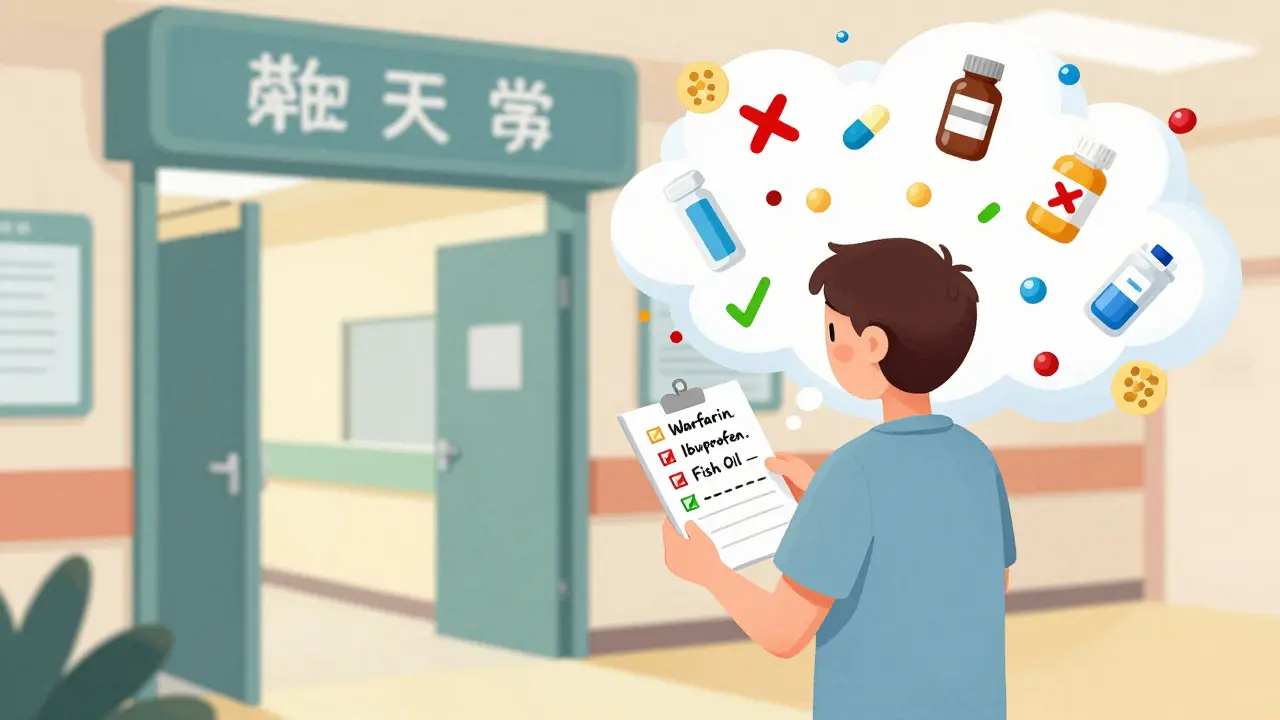
Medication reconciliation after hospital discharge prevents dangerous drug interactions by comparing what you took before, during, and after your hospital stay. Learn the three critical steps to protect yourself and avoid preventable errors.
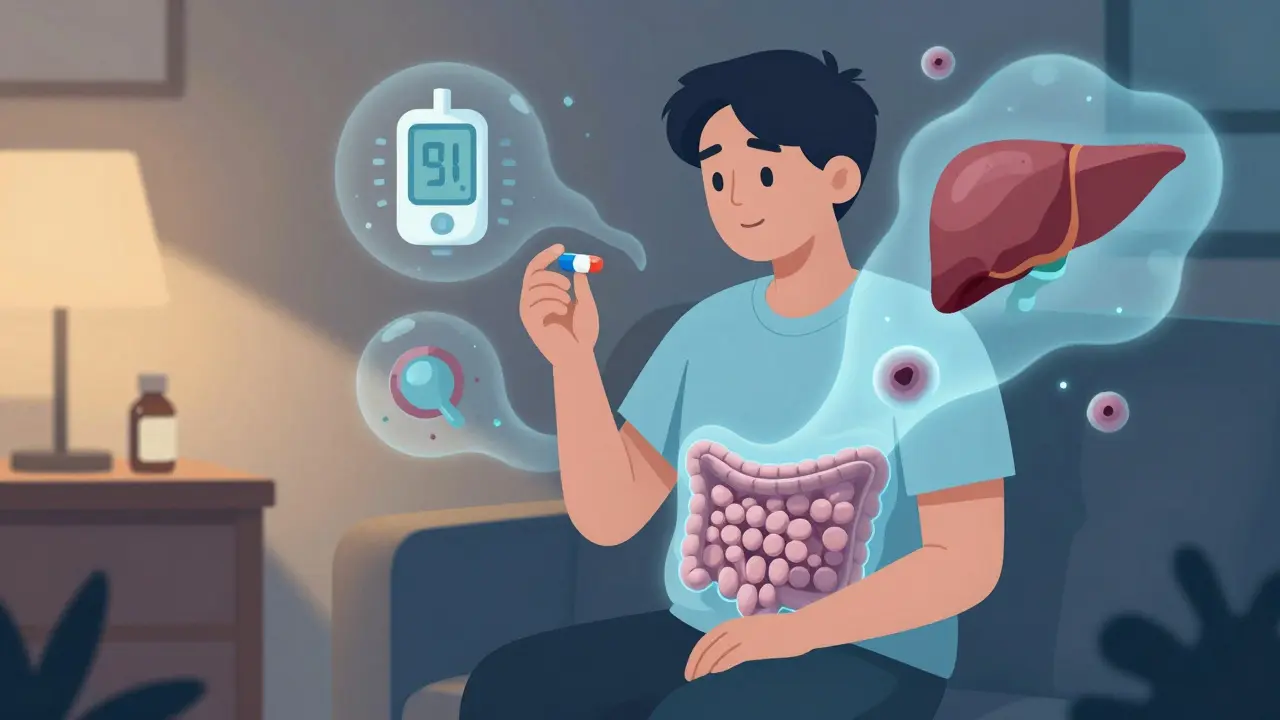
Antipsychotics help manage serious mental illnesses but carry significant metabolic risks including weight gain, diabetes, and heart disease. Regular monitoring and smart drug choices can reduce these dangers.
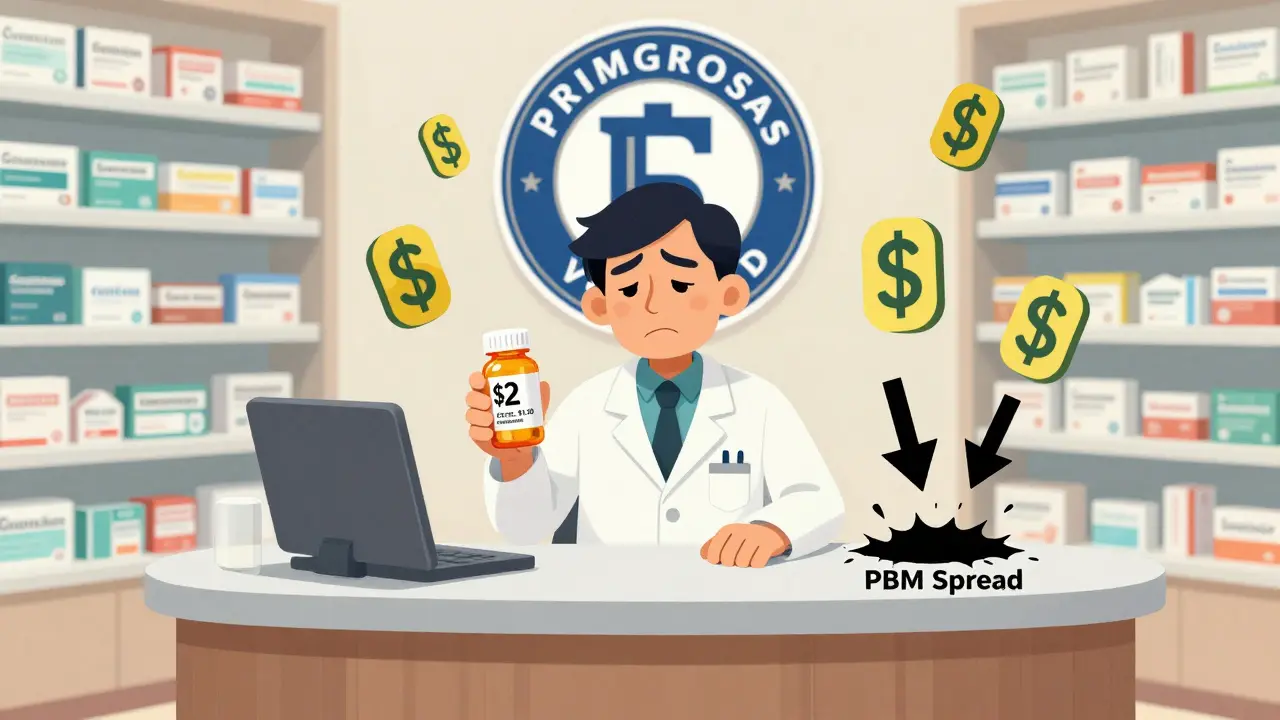
Generic substitution saves money - but only if pharmacies are paid fairly. Hidden PBM profits, arbitrary reimbursement rules, and opaque pricing are undermining the real savings potential of generics.