
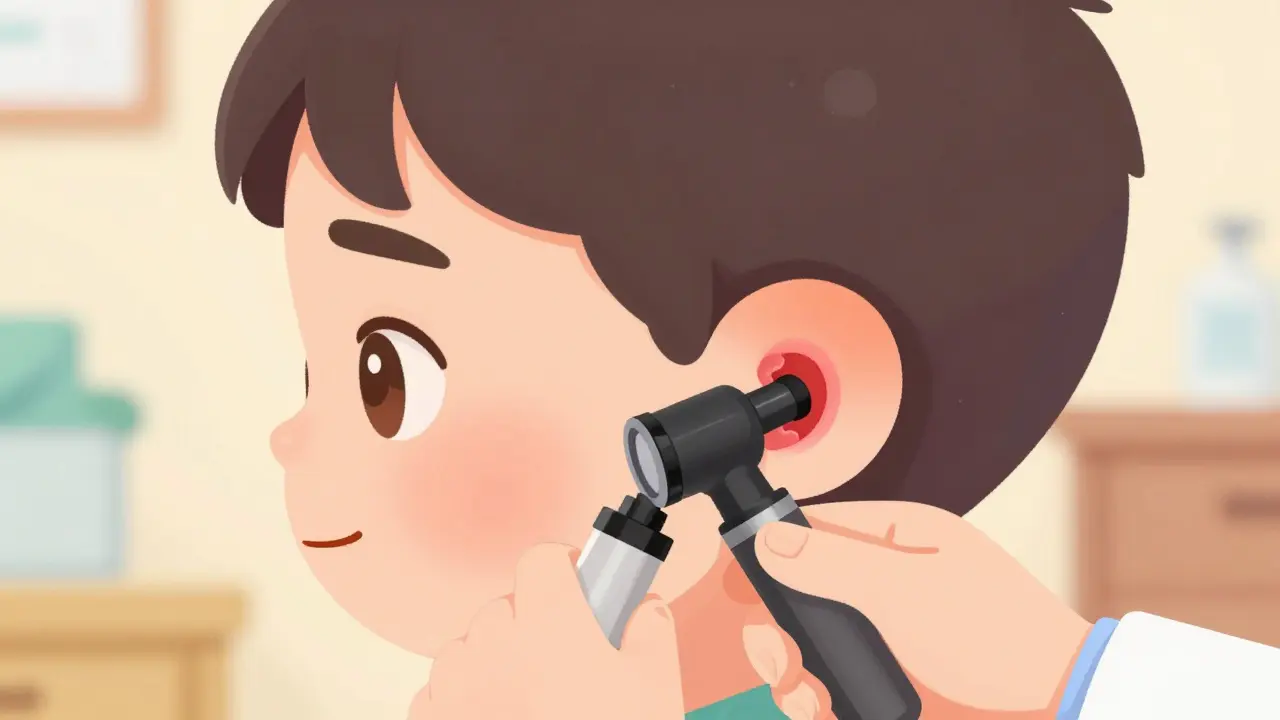
Over 5.6 million children get ear infections each year in the U.S. alone. This common condition, called acute otitis media (AOM), is the top reason doctors prescribe antibiotics to kids. But not all ear infections need antibiotics. Some heal on their own, while others might need ear tubes. Let's break down what parents need to know about managing ear infections safely and effectively.
What is Acute Otitis Media (AOM)?
Acute Otitis Media (AOM) is defined as an acute infection of the middle ear characterized by rapid onset, presence of middle ear effusion, and signs of middle ear inflammation such as bulging tympanic membrane or recent otorrhea not due to otitis externa. It typically affects children between 6-24 months old, with 83% experiencing at least one episode by age 3. The condition isn't just a minor earache-it's a serious infection that can lead to complications if not managed properly.
Doctors diagnose AOM using three key criteria: acute symptoms like fever or ear pain, middle ear fluid (seen as a bulging eardrum or limited movement), and clear signs of inflammation (redness or severe pain). For example, "moderate to severe otalgia" means continuous crying for 3+ hours, trouble sleeping, or difficulty doing normal activities. Severity matters: high fever (≥102.2°F), severe pain lasting 48+ hours, or toxic appearance means immediate action is needed.
How Doctors Diagnose Ear Infections
Diagnosing ear infections isn't just about looking in the ear. Doctors check for all three elements: acute symptoms, middle ear effusion (fluid), and inflammation. A bulging or red eardrum, fluid behind the eardrum, or ear drainage confirms AOM. Without these, it might be another issue like teething or swimmer's ear.
Many parents worry about "ear infections" when kids pull ears or cry. But the American Academy of Pediatrics says only about 40% of ear-pulling cases are actual AOM. Accurate diagnosis prevents unnecessary treatments. Tools like pneumatic otoscopy (which checks eardrum movement) are essential for proper diagnosis.
Antibiotics: When and How They're Used
amoxicillin is the first-choice antibiotic for AOM. High-dose amoxicillin (80-90 mg/kg/day up to 3g/day) is recommended for children under 2 years or with severe symptoms. For penicillin allergies, doctors use alternatives like cefdinir, ceftriaxone, or clindamycin.
Antibiotic duration varies: 10 days for kids under 2, 7 days for ages 2-5, and 5 days for children 6+ with non-severe cases. But antibiotics aren't always needed. Studies show 60-80% of AOM cases resolve without them. Immediate antibiotics are required for children under 6 months, those with bilateral AOM under 24 months, or any child with severe symptoms or ear drainage.
Overusing antibiotics causes problems. The CDC estimates inappropriate prescribing for ear infections contributes to 2.8 million antibiotic-resistant infections yearly in the U.S. This is why guidelines now emphasize careful use.

watchful waiting: The Smart Alternative
watchful waiting is recommended for specific patient populations based on evidence showing 60-80% of AOM cases resolve spontaneously without antibiotics. The CDC states children qualify for observation without immediate antibiotics if they are 6-23 months with unilateral AOM and non-severe symptoms, or ≥24 months with unilateral or bilateral AOM and non-severe symptoms. During watchful waiting, parents should monitor for persistent ear pain ≥48 hours, temperature ≥102.2°F, or worsening symptoms. Safety-net antibiotic prescriptions are provided in 67% of cases according to CDC data. Studies show only 33% of children managed with watchful waiting ultimately require antibiotics.
Many parents worry about skipping antibiotics, but research confirms this approach works. A 2019 study in Pediatrics found no increase in complications when watchful waiting was used properly. It's a safe, evidence-based option that reduces unnecessary drug exposure.
Tympanostomy Tubes: For Recurrent Infections
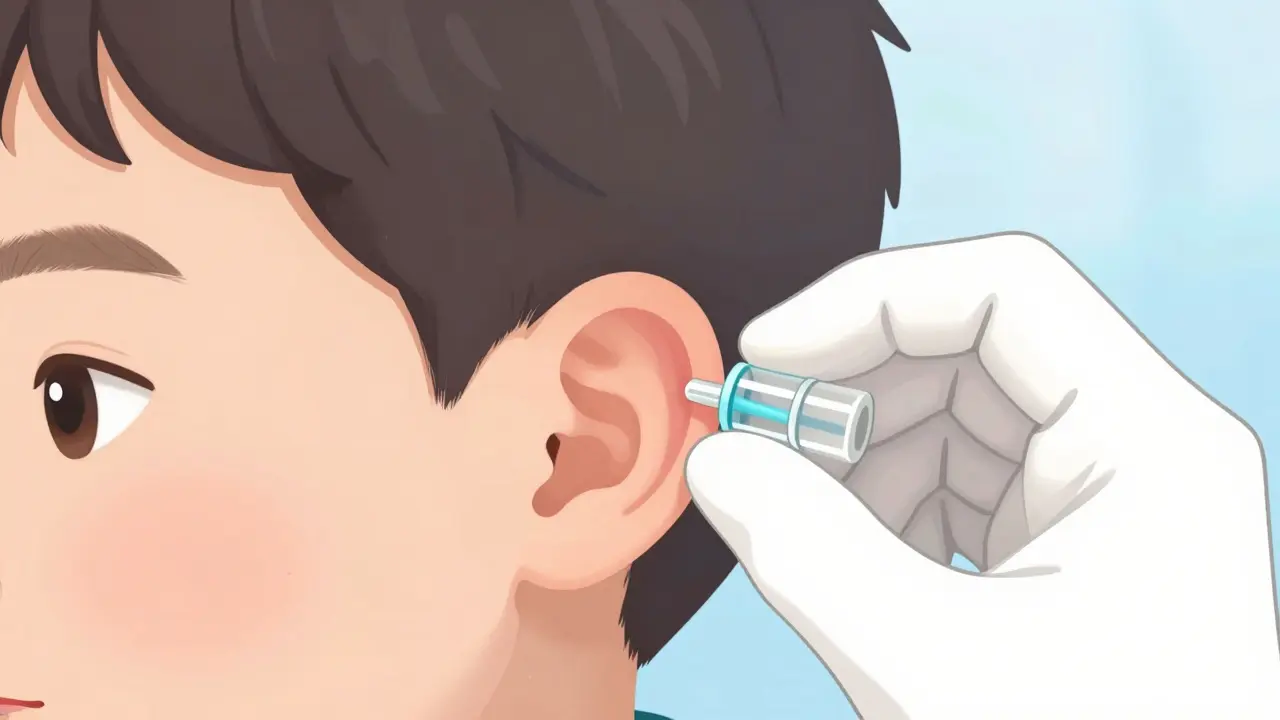
tympanostomy tubes (also called ear tubes) are small tubes inserted through the tympanic membrane to ventilate the middle ear. They're recommended for recurrent AOM: ≥3 episodes in 6 months or ≥4 episodes in 12 months with at least one episode in the past 6 months. The procedure involves a quick surgery where tubes stay in place for 6-18 months before falling out naturally.
While tubes reduce AOM recurrence by 50% in the first 6 months, their effectiveness fades over time. The AAP guideline specifies tubes should only be considered for persistent middle ear fluid ≥3 months with documented hearing loss (≥40 dB). Overuse is a concern-Dr. Charles Bluestone from the University of Pittsburgh warns that tubes are often placed without clear hearing impairment or structural damage.
Approximately 667,000 tube insertions happen yearly in U.S. children under 15, costing an estimated $5 billion. Proper patient selection is critical to avoid unnecessary procedures.
Pain Management: The Overlooked Key
The Royal Children's Hospital guidelines mandate "adequate and regular simple analgesia" for ear infections. Use acetaminophen (10-15 mg/kg every 4-6 hours) or ibuprofen (5-10 mg/kg every 6 hours for children over 6 months). Proper pain control is essential-69% of children experience significant pain during AOM episodes, yet only 37% receive appropriate relief.
Unmanaged pain leads to sleepless nights, irritability, and even dehydration from refusing food or drinks. Many parents forget pain relief while focusing on antibiotics. Always address pain first, regardless of antibiotic decisions.
Common Myths and Recent Trends
Decongestants and antihistamines provide no benefit for ear infections. In fact, CDC guidelines state they cause side effects in 15% of users. These should never be used for AOM treatment.
Pneumococcal conjugate vaccine (PCV13), introduced in 2010, reduced AOM incidence by 12% and recurrent AOM by 20% according to a 2018 NEJM study. Antibiotic prescribing for ear infections has dropped from 95% in 1995 to 61% in 2022, nearing the Healthy People 2030 target of 50%. However, geographic variation remains extreme, with rates from 38% to 82% across U.S. states.
| Setting | Antibiotic Prescribing Rate | Adherence to Guidelines |
|---|---|---|
| Academic centers | 52% | 89% (with pathway) |
| Private practices | 78% | 63% baseline |
Frequently Asked Questions
When should antibiotics be used for ear infections?
Antibiotics are necessary for children under 6 months with AOM, children 6-23 months with bilateral AOM, any child with severe symptoms (like high fever or severe ear pain), or otorrhea (ear drainage). For non-severe cases in older children, watchful waiting may be appropriate.
What is watchful waiting for ear infections?
Watchful waiting is a strategy where doctors monitor symptoms without immediate antibiotics. It's recommended for children 6-23 months with unilateral AOM and non-severe symptoms, or ≥24 months with unilateral or bilateral AOM and non-severe symptoms. Parents are given a safety-net prescription to use if symptoms worsen or persist beyond 48 hours.
Do ear tubes prevent future infections?
Yes, tympanostomy tubes reduce AOM recurrence by about 50% in the first 6 months after insertion. However, their effectiveness diminishes over time. Tubes are typically recommended for children with recurrent infections (3+ in 6 months or 4+ in 12 months) or persistent middle ear fluid causing hearing loss.
Are decongestants or antihistamines helpful for ear infections?
No. CDC guidelines state decongestants and antihistamines provide no benefit for ear infections and may cause side effects in 15% of users. They should not be used for treating AOM.
How can I manage my child's ear infection pain?
Use acetaminophen (10-15 mg/kg every 4-6 hours) or ibuprofen (5-10 mg/kg every 6 hours for children over 6 months) as directed. Proper pain management is crucial-69% of children experience significant pain during AOM episodes, but only 37% receive appropriate relief.
What's the latest on antibiotic use for ear infections?
Antibiotic prescribing for ear infections has dropped from 95% in 1995 to 61% in 2022, thanks to guidelines promoting watchful waiting. However, rates vary widely by region, from 38% to 82% across U.S. states. The Healthy People 2030 target is 50%, showing progress but ongoing challenges.



February 5, 2026 AT 22:04 PM
Antibiotics are unnecessary for most ear infections.
February 6, 2026 AT 11:03 AM
Antibiotics are a scam pushed by Big Pharma. They're making billions while poisoning our kids. Vaccines cause ear infections. The CDC is covering it up. Our government is in cahoots with the pharmaceutical industry. We need to wake up and fight this. The data is hidden. It's all about profit. They don't care about our children's health. It's time to take back our power. The truth is out there. Stop trusting the government. They're lying to us. The real cause of ear infections is the vaccines. They're injecting toxins into our kids. We need to demand transparency. This is a war on our families. They're selling us poison. It's time to rise up and reject their lies.
February 6, 2026 AT 20:08 PM
Proper pain management is key for ear infections. Acetaminophen or ibuprofen can make a huge difference for your child's comfort. Many parents overlook this, but it's so important. I've used both for my kids and they work wonders. Pain relief should be the first step, not antibiotics. This approach is supported by guidelines. It's simple and effective. Let's work together to ensure our kids get the best care. Trust the science. Don't let fear drive your decisions. Your child's comfort comes first. We can do this together. Let's focus on what's best for our children.
February 7, 2026 AT 17:12 PM
Proper pain management? Ha! That's what they want you to think. The real issue is vaccines causing ear infections. Big Pharma is pushing antibiotics to cover it up. The CDC is lying. They say antibiotics aren't needed, but that's just to hide the truth. I've seen it in my own kids. Every shot leads to ear infections. They're poisoning our children. The data is hidden. They don't want you to know. It's all about profit. They don't care about our kids. We need to fight this. The truth is out there. Stop trusting the government. They're in cahoots with the drug companies. This is a scam. It's time to wake up.
February 7, 2026 AT 18:16 PM
Antibiotics are overused, but watchful waiting is a myth. If your kid's in pain, you need to treat it. Otherwise, it's just waiting for disaster. The CDC's guidelines are nonsense. They're trying to save money, not help kids. I've seen kids suffer because of 'watchful waiting'. It's a joke. We need to trust doctors, not bureaucrats. Stop listening to these so-called experts. They don't know what they're talking about. Real parents know what's best for their kids. It's time to take action. Don't wait for disaster. Treat it now. The truth is, antibiotics are necessary. Watchful waiting is dangerous. It's time to wake up. The CDC is lying to us. They're in cahoots with Big Pharma. They don't care about children. It's all about profit. We need to reject their lies.
February 8, 2026 AT 11:04 AM
Gregory, your alarmist claims are baseless. Watchful waiting is evidence-based and recommended by the CDC for non-severe cases. Antibiotic overuse leads to resistance, which is a serious public health threat. The data shows that 60-80% of ear infections resolve without antibiotics. Ignoring guidelines puts children at risk. We must trust science, not fear-mongering. The AAP guidelines are clear. It's irresponsible to spread misinformation. Proper pain management is key. Antibiotics should only be used when necessary. Let's focus on facts, not conspiracy theories. This is about children's health, not politics. We need to do better. The CDC's recommendations are based on decades of research. They're not perfect, but they're the best we have. Dismissing them is dangerous. It's time to stop spreading fear. Trust the experts. They know what they're doing.
February 9, 2026 AT 16:02 PM
Carol is absolutely right. The AAP guidelines clearly state that watchful waiting is appropriate for many cases. It's irresponsible to spread misinformation about it. Antibiotic resistance is a serious threat. Every year, 2.8 million antibiotic-resistant infections occur in the U.S. due to overprescribing. The CDC has clear guidelines on when antibiotics are necessary. Ignoring this puts children at risk. We need to trust the science, not conspiracy theories. Vaccines have been proven to reduce ear infections. The data is clear. It's time to stop spreading fear. The real issue is antibiotic misuse. We must educate parents properly. Otherwise, we'll face a public health crisis. Trust the experts, not the internet trolls. This is not a political issue-it's about children's health. The facts speak for themselves. Stop listening to conspiracy theorists. They have no credibility. It's time to prioritize evidence-based medicine. Our children deserve better.
February 11, 2026 AT 13:23 PM
The CDC is lying. They're in cahoots with Big Pharma. Vaccines cause ear infections. I've seen it in my own kids. They're pushing antibiotics to cover it up. The data is hidden. They don't want you to know. It's all about profit. They don't care about our children's health. It's time to wake up. The truth is out there. Stop trusting the government. They're lying to us. The real cause of ear infections is the vaccines. They're injecting toxins into our kids. We need to demand transparency. This is a war on our families. They're selling us poison. It's time to rise up and reject their lies. The evidence is clear. It's time to fight back.
February 11, 2026 AT 23:24 PM
Carl, I understand your concerns, but there's no evidence linking vaccines to ear infections. Antibiotic overuse is the real problem. The CDC's guidelines are based on solid research. Vaccines actually reduce ear infections by 12%. It's important to trust science. Let's work together to protect our kids. We need facts, not fear. Your claims are not supported by data. Please reconsider. The truth is clear. Let's focus on what really matters: our children's health.