
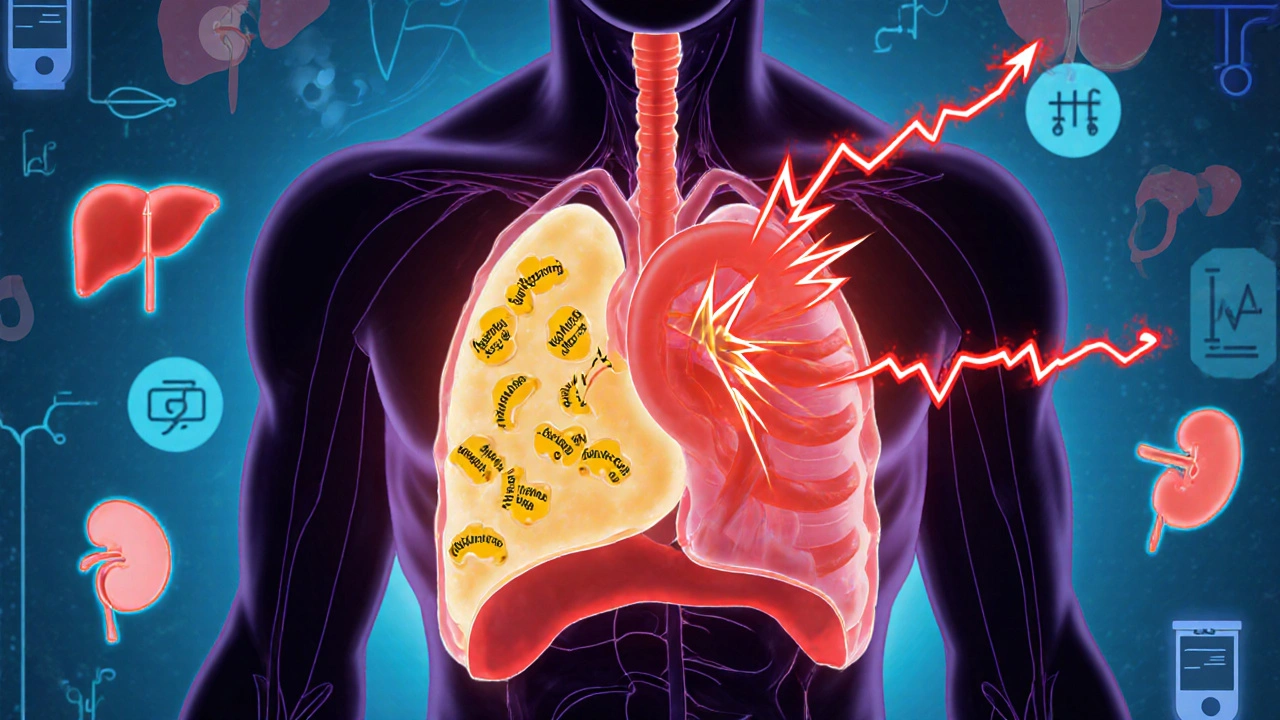
Therapeutic drug monitoring for tricyclic antidepressants prevents deadly toxicity by tracking blood levels and ECG changes. Learn why even prescribed doses can be dangerous and how monitoring saves lives.
Therapeutic Drug Monitoring and Medication Safety in 2025: What You Need to Know
When it comes to therapeutic drug monitoring, the process of measuring drug levels in the blood to ensure safe and effective dosing. Also known as TDM, it's not just for hospitals—it's becoming essential for anyone on medications with narrow safety windows, like tricyclic antidepressants or antipsychotics. Without it, even prescribed doses can turn deadly. In November 2025, our most urgent articles focused on how medication safety is failing at the edges: patients taking statins and blaming memory loss, families unaware of overdose signs, or using Ginkgo biloba with blood thinners without knowing the risk.
Drug interactions, when one medication changes how another works in your body. Also known as medication interactions, they’re not rare—they’re predictable, and often ignored. Acid-reducing pills like omeprazole can block absorption of key drugs. Benzodiazepines mixed with opioids? That’s a known killer. And it’s not just prescriptions—supplements like Ginkgo biloba or counterfeit generics with no active ingredient can be just as dangerous. These aren’t edge cases. They’re daily risks in homes, clinics, and pharmacies. Meanwhile, generic drugs, the affordable, off-patent versions of brand-name medications. Also known as generic medications, they make up over 90% of prescriptions in the U.S. But if you’re buying them online without checking the source, you might be getting fake pills. We saw reports of fake Ozempic flooding the market, and e-pharmacies offering prices too good to be true. How do you tell the difference? We broke it down.
What ties all these posts together? Control. Control over your body’s response to drugs. Control over your supply chain. Control over who you trust with your health. That’s why November 2025 was all about turning awareness into action: learning how to spot overdose symptoms, why opioid rotation reduces side effects, how long-acting injectables need constant monitoring, and why Europe’s public tendering systems actually save lives by ensuring quality generics. This isn’t theoretical. These are the real, daily choices people make—and the mistakes they can’t afford to repeat.
Below, you’ll find 20 detailed, no-fluff guides on exactly what went wrong, what worked, and how to protect yourself. No marketing. No hype. Just facts you can use today.
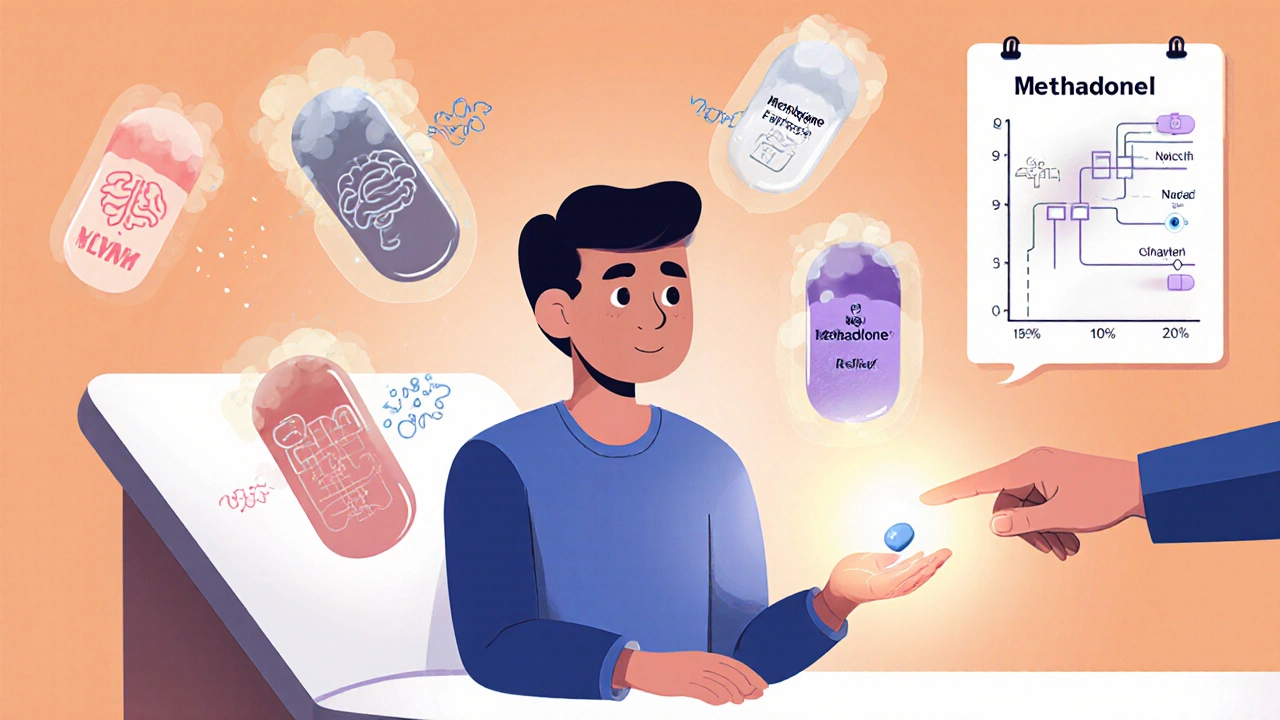
Opioid rotation means switching from one opioid to another to reduce side effects like nausea, drowsiness, or constipation while maintaining pain control. It's a proven strategy when high doses aren't working safely.
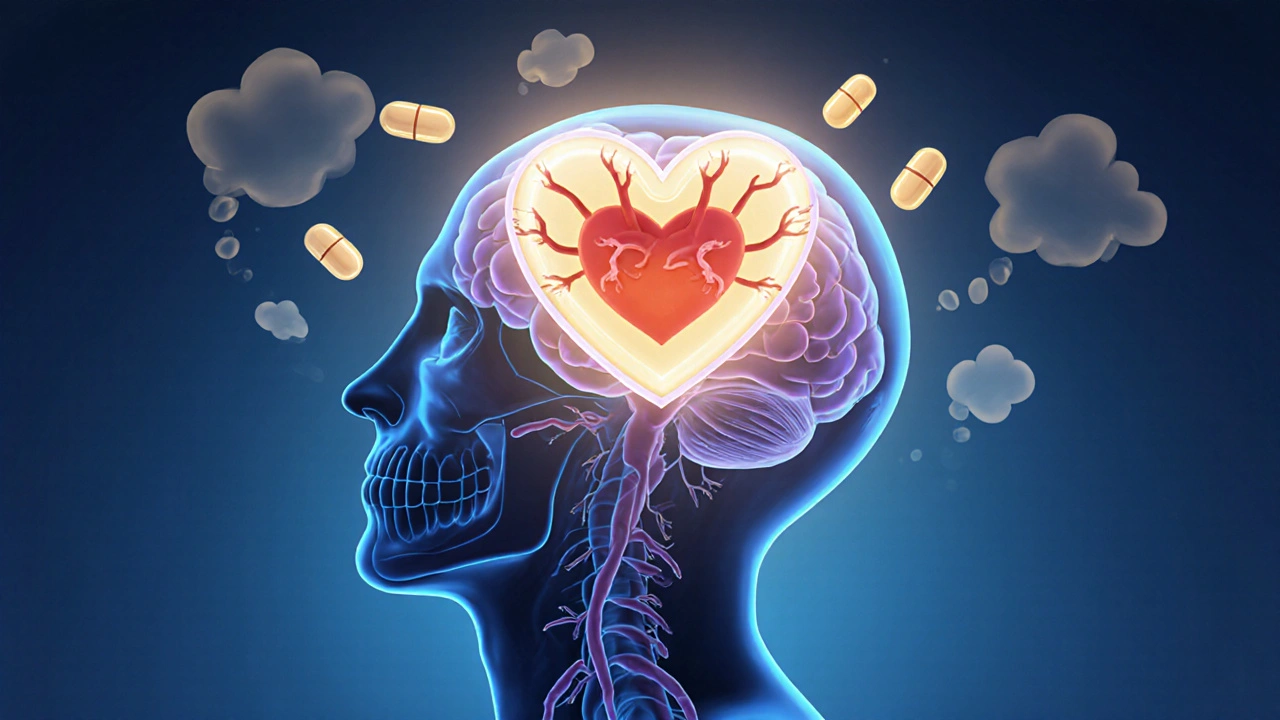
Statins can cause temporary memory issues in rare cases, but most evidence shows they protect against dementia. Learn how to tell if your memory problems are linked to statins-and what to do next.

Imagery Rehearsal Therapy is a proven, non-medication method to stop PTSD nightmares. Learn how rewriting your dreams can improve sleep, reduce trauma symptoms, and restore restful nights.

Rosacea causes persistent facial redness and bumps. Topical antibiotics like metronidazole and ivermectin reduce inflammation and Demodex mites, but results take weeks. Learn how to use them right and manage triggers.
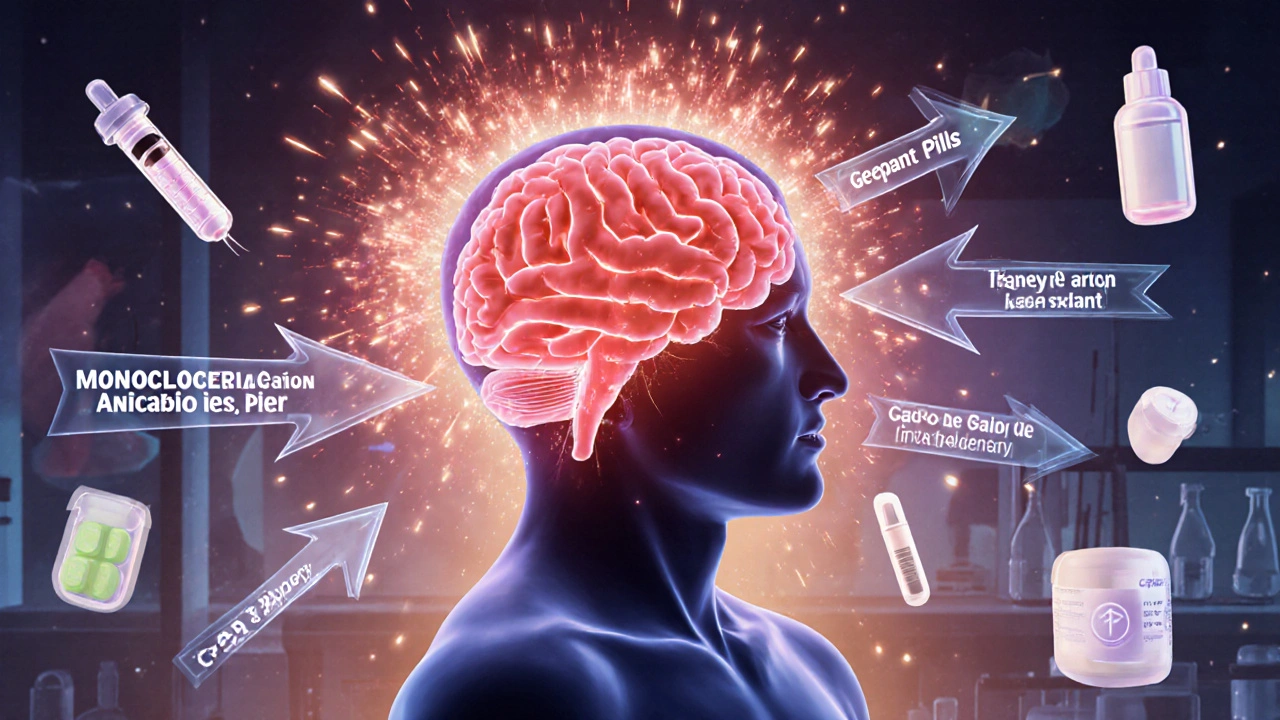
CGRP inhibitors are the first migraine-specific preventive drugs, offering real relief for chronic and treatment-resistant migraine sufferers. Learn how they work, who benefits most, and what to expect from cost, side effects, and real-world results.
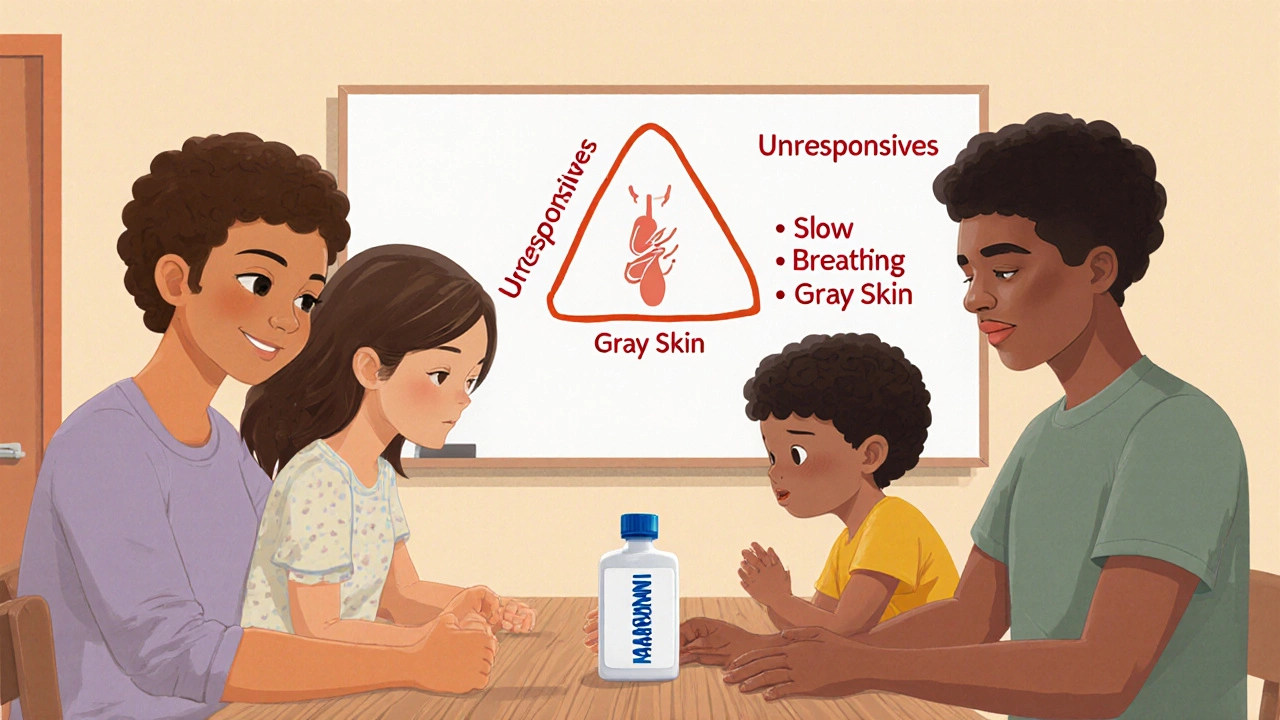
Learn how to teach your family to recognize overdose signs like unresponsiveness, slow breathing, and skin color changes. Includes step-by-step training methods, naloxone use, and real-life survival tips.
Long-acting injectable antipsychotics improve adherence but require rigorous, ongoing side effect monitoring to prevent serious health risks like diabetes, movement disorders, and even death. Without structured checks, these benefits are undermined.
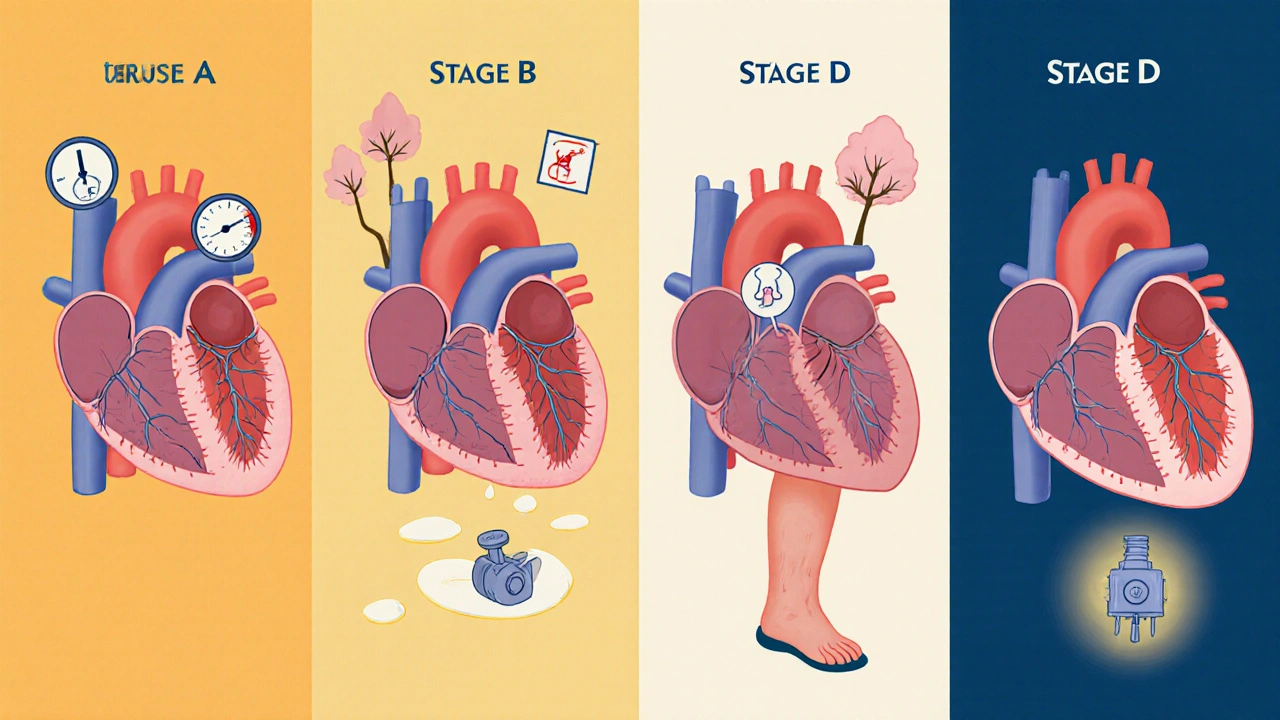
Heart failure management has transformed with new guidelines and medications. Learn how quadruple therapy, SGLT2 inhibitors, and monitoring devices help patients live longer and better-no matter the stage or type of heart failure.
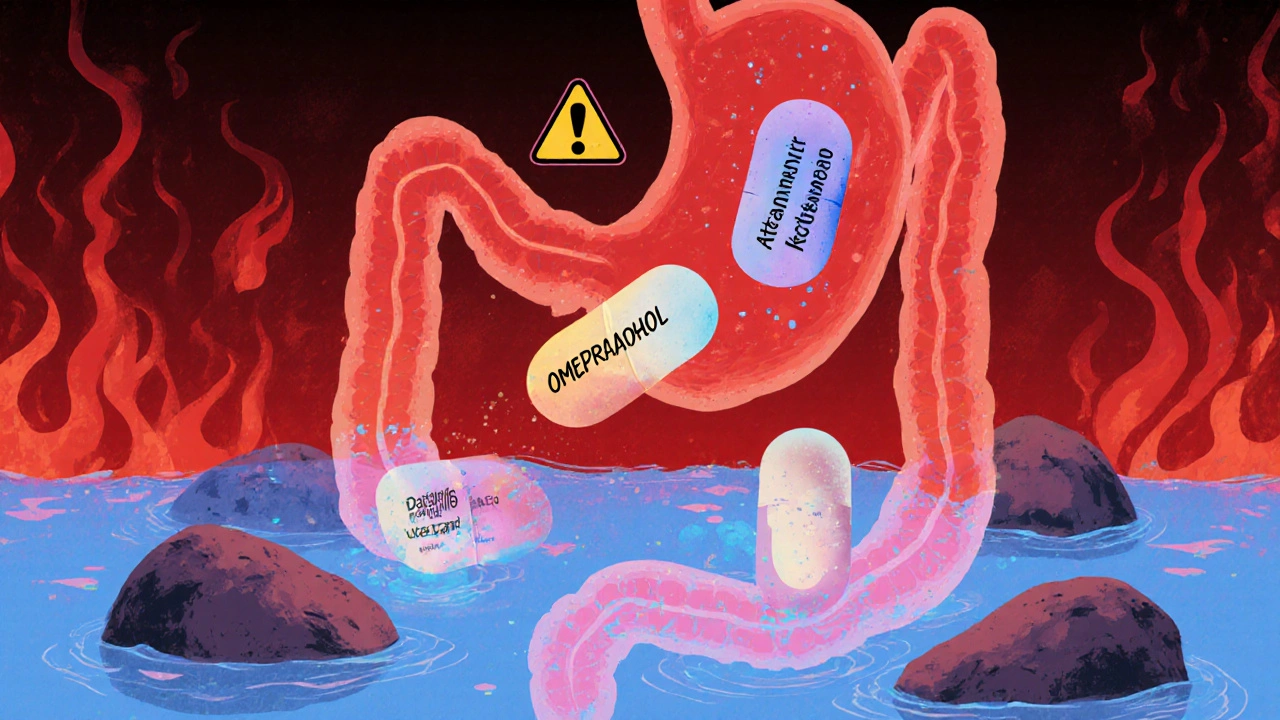
Acid-reducing medications like PPIs and H2 blockers can seriously reduce the absorption of other drugs, leading to treatment failure. Learn which medications are at risk and how to protect your health.