
Explore how FDA safety alerts work for generic drugs, covering MedWatch, labeling controversies, and patient safety implications in 2026.
Generic Drugs: What They Are, How They Work, and Why They Matter
When you hear generic drugs, medications that contain the same active ingredients as brand-name drugs but are sold under their chemical name. Also known as non-brand drugs, they are the backbone of affordable healthcare systems around the world. Many people think generics are weaker or lower quality—but that’s not true. The FDA and similar agencies worldwide require them to work the same way, in the same amount, and with the same safety profile as the original. The only differences? The name, the color, and the price. And that price difference? It’s often 80% cheaper.
Behind every generic drug, a legally approved copy of a brand-name medication that becomes available after the patent expires. is a complex system of global manufacturing, strict quality checks, and public procurement rules. In Europe, for example, tendering systems, competitive bidding processes used by public health agencies to buy medications at the lowest possible cost. ensure hospitals and pharmacies get the best deals without cutting corners. These systems rely on MEAT evaluation, a method that weighs not just price, but also quality, reliability, and patient outcomes. to pick the right suppliers. This isn’t just about saving money—it’s about making sure millions can get the medicines they need.
But here’s the real question: why do so many people still hesitate to use generics? Partly because of old myths. Some think if it’s not branded, it’s not reliable. But the truth? The same factories often make both the brand and the generic versions. The only difference is the label. And when you look at real-world data—from how fosfomycin, a single-dose antibiotic used for urinary tract infections. works just as well as longer courses, to how Kamagra Polo, a generic version of sildenafil used for erectile dysfunction. delivers the same results as Viagra—you start to see a pattern. Generic drugs aren’t a compromise. They’re a smart choice.
And it’s not just about cost. When countries shift to generics, they free up billions that can go toward other health needs. That’s why drug shortages in 2025 aren’t just about supply chains—they’re also about who controls production. With 80% of active ingredients coming from just two countries, relying on generics isn’t just affordable—it’s essential for stability. But that also means quality control matters more than ever. That’s why knowing how to spot a legit pharmacy, understanding how generic glucophage, the generic form of metformin used for type 2 diabetes. compares to the brand, or learning how to check for counterfeit meds isn’t just helpful—it’s necessary.
What you’ll find below isn’t just a list of articles. It’s a practical guide to navigating the world of generic drugs—from how they’re made and regulated, to how they interact with other meds, how to buy them safely online, and why they’re often the best option for long-term health. Whether you’re managing diabetes, high blood pressure, or just trying to cut costs without sacrificing results, the answers are here.
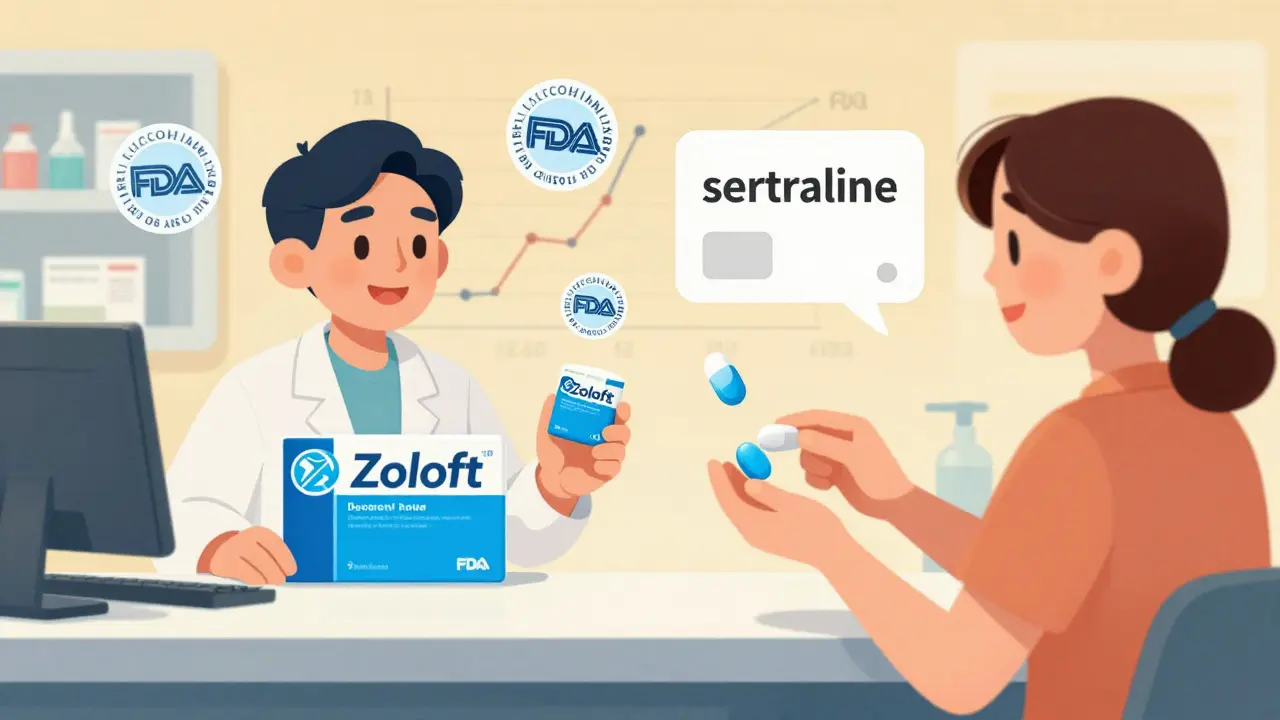
Learn how to choose between generic and brand-name medications with clear facts, real savings, and expert-backed advice. Generics are just as safe and effective - and can save you hundreds per month.
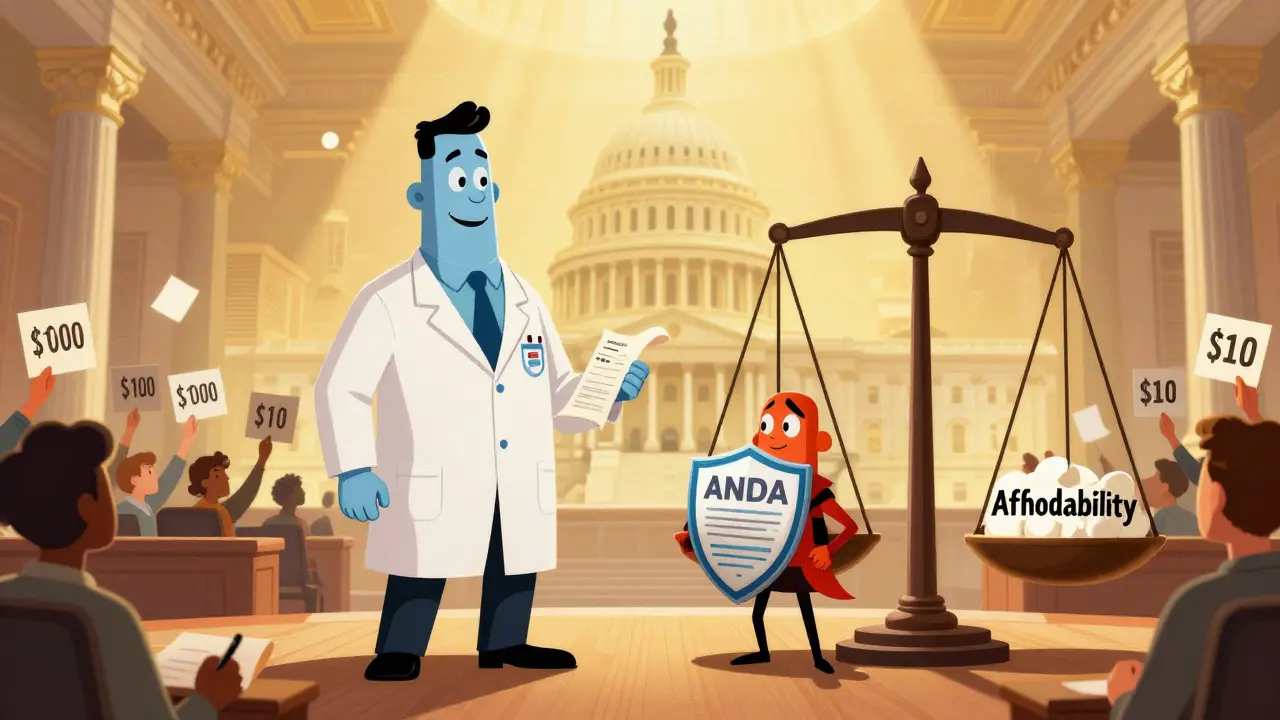
The Hatch-Waxman Amendments of 1984 created the modern generic drug industry by letting companies approve cheaper versions faster, while giving brand-name makers extra patent time. Today, 90% of U.S. prescriptions are generic - saving billions annually.
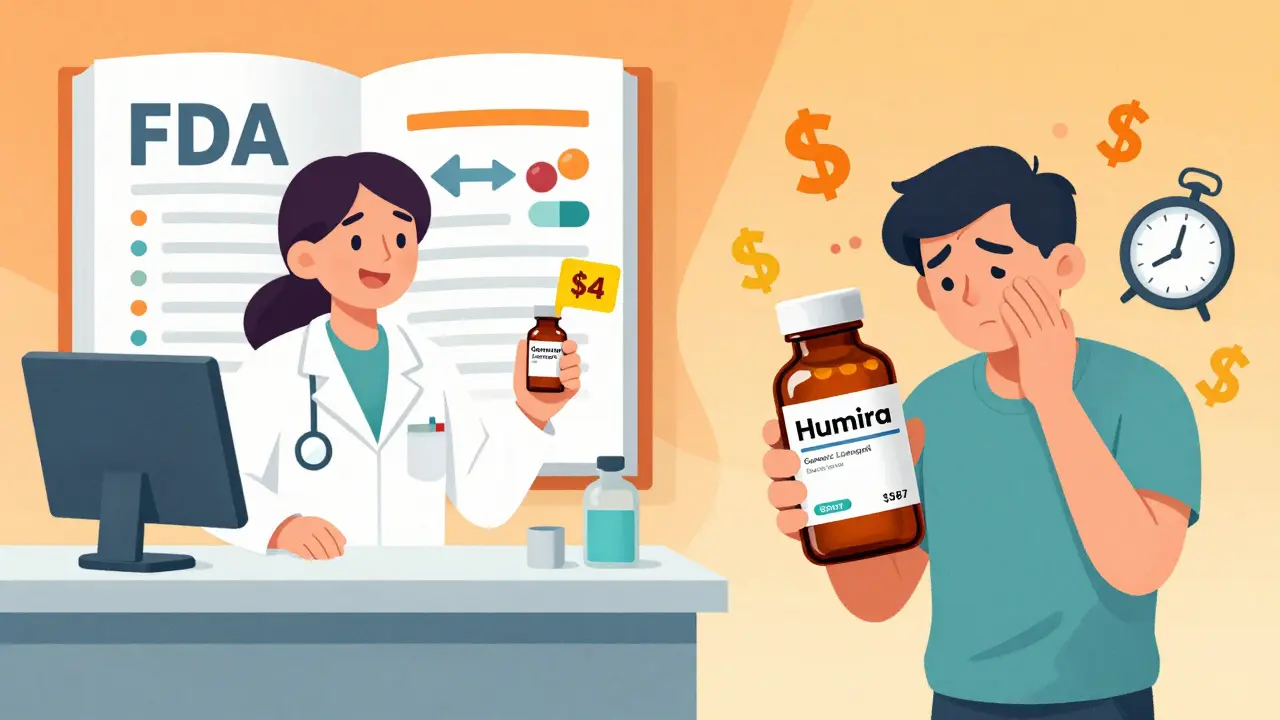
Understand the difference between single-source and multi-source drugs to save money and avoid confusion. Learn how generics work, why prices vary, and what to ask your pharmacist.
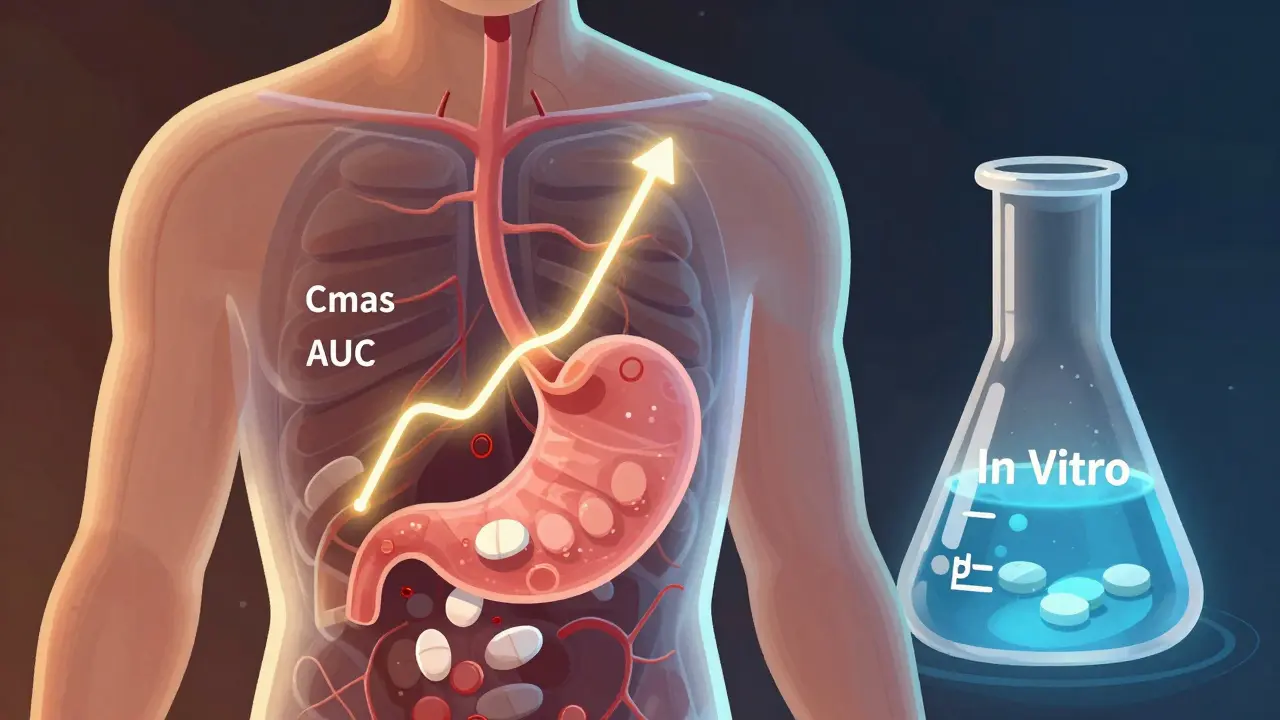
Learn when in vivo and in vitro bioequivalence testing are used for generic drugs. Understand FDA requirements, cost differences, and which method works best for different drug types.
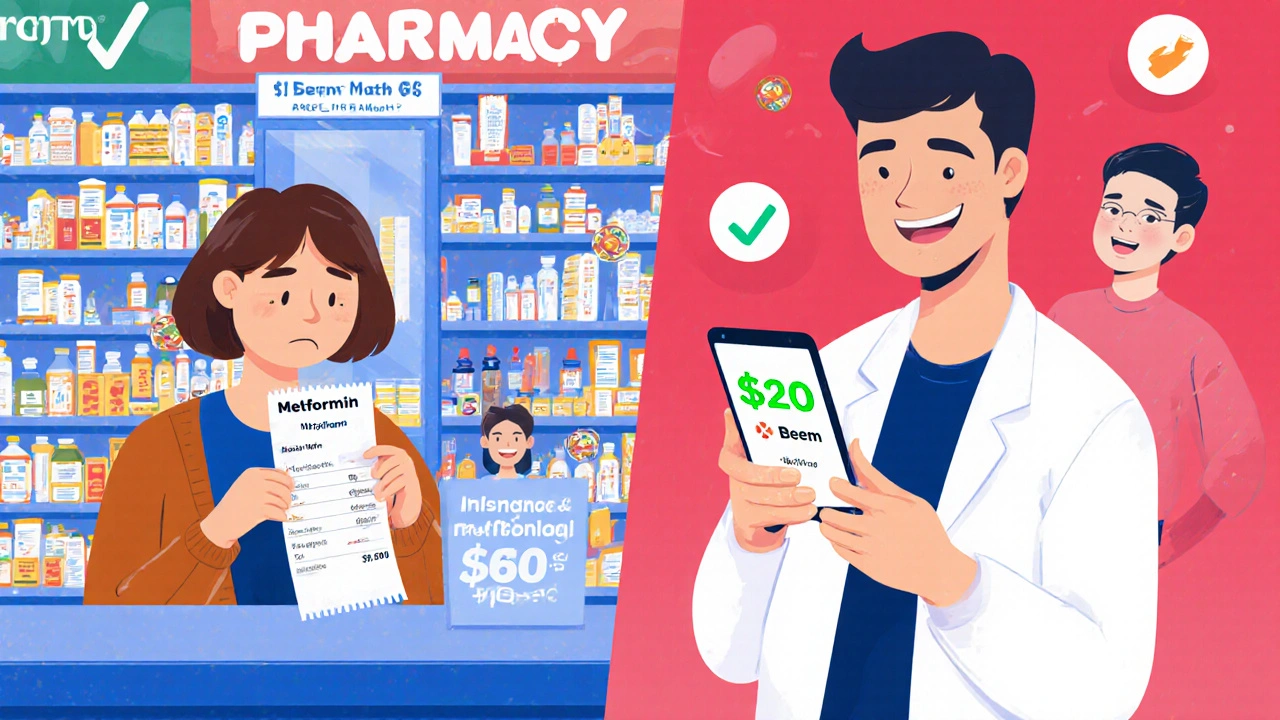
Discover how e-pharmacies like GoodRx and Beem slash generic drug prices compared to retail pharmacies. Save up to 80% on common prescriptions without insurance. Real savings, real options.