
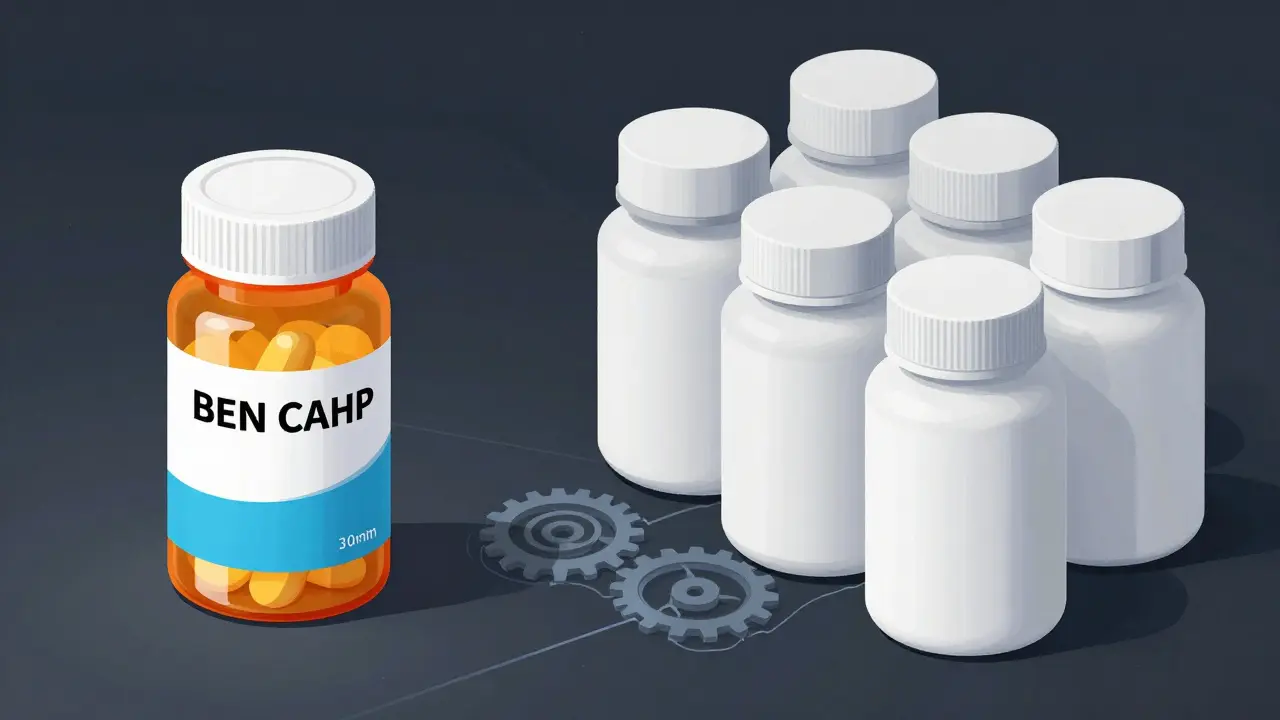
The Hidden Complexity Behind Generic Drug Safety
Many people assume that once a generic drug hits the pharmacy counter, its safety profile remains static. However, the reality of post-market surveillance involves a complex dance between regulatory bodies and pharmaceutical companies. FDA Safety Alerts are the primary vehicle for communicating emerging risks to healthcare providers and patients. But when it comes to generic medications, this communication channel often faces unique hurdles that brand-name drugs do not encounter. Understanding these mechanics is crucial for anyone relying on affordable medication options.
While generic medications account for a vast majority of prescriptions filled in the United States due to cost efficiency, their regulatory framework differs significantly from innovator products. The core issue isn't necessarily that generics are unsafe-they meet rigorous equivalence standards-but rather how new safety information gets added to their labels. This distinction creates a gap that has sparked intense debate among consumer advocates, industry groups, and regulators over the last decade.
How Safety Monitoring Works: The MedWatch Ecosystem
The backbone of drug safety surveillance is the MedWatch Programa voluntary reporting system established in 1993 to collect adverse event reports for FDA-regulated products including medicines, devices, and biologics. When a doctor or patient notices a potential side effect, they report it to the FDA through this channel. This data fuels the Adverse Event Reporting System, known as FAERS, which helps identify patterns that weren't visible during clinical trials.
This process applies to all approved drugs, whether they are high-profile brand names or everyday generics. For instance, monthly monitoring of FAERS allows the Center for Drug Evaluation and Research (CDER) to spot quality or safety signals quickly. In recent years, the FDA has applied this screening proactively. Take the first generic version of Rexulti, for example. Between 2019 and 2020, the agency initiated proactive pharmacovigilance screening to address concerns about different looks or orientations compared to the brand product. During that first year of marketing, no significant quality or safety signals were detected, demonstrating that the monitoring machinery works effectively when triggered.
However, MedWatch is only half the story. It tells us about problems after they happen. The other half is how manufacturers communicate changes before they become widespread public health crises. This leads us to the critical topic of labeling authority.
| Feature | Brand-Name Manufacturers | Generic Drug Manufacturers |
|---|---|---|
| CBE Supplement Rights | Can update warnings without prior FDA approval | Generally cannot update independently |
| Review Timeframe | Immediate effect upon notification | Requires 9-12 months for full review |
| Liability Concerns | Sued for delayed warnings | Risk increases if given independent power |

The Labeling Debate: CBE Supplements Explained
One of the most contentious issues in generic regulation involves what is known as Changes Being Effected, or CBE, supplements. This mechanism allows brand-name manufacturers to update warning labels immediately when new safety information emerges, waiting for FDA concurrence later. The logic is simple: if the brand knows a risk exists, they shouldn't wait months for bureaucratic clearance to warn doctors.
In 2013, the FDA proposed extending this same privilege to generic manufacturers. At the time, generic makers were required to mirror the exact labeling of the Reference Listed Drug (RLD)-usually the original brand name. If the brand didn't update its label, the generic couldn't either, even if the generic company saw new evidence suggesting a risk. A 2013 document indicated that generic manufacturers must follow the warning labels provided by the brand-name drug manufacturer, creating a significant gap in the safety alert system.
This proposal ignited a firestorm. On one side, 27 consumer health organizations submitted a statement to the American Association for Justice in 2022, arguing that requiring all prescription drugs to carry up-to-date safety warnings is essential for improving the safety and efficacy of all FDA-approved drugs. Their point was practical: insurance companies often mandate patients take generics if available, so those patients deserve quality, updated information.
On the other side, the Generic Pharmaceutical Association (GPhA) pushed back hard. David Gaugh, a senior vice president there, noted that FDA review of CBE supplements typically takes 9-12 months. More importantly, giving generic companies unilateral power to change labels could drive them out of the market. Under the Federal Food, Drug, and Cosmetic Act, they argue, such a move contradicts the competition goals established by the Hatch-Waxman Act of 1984. The fear is straightforward: if a generic maker updates a label and later gets sued over the liability of that claim, their smaller margins cannot survive the legal battle the way big pharma giants might.
Navigating the Regulatory Landscape in 2026
As we move through 2026, the situation remains in flux. While the FDA continues to refine its approach, no final rule has permanently settled the CBE debate. The agency recognizes the importance of timely communication, especially for "complex generic drug products." These are medications with difficult delivery systems, like transdermal patches or extended-release injectables, where small manufacturing differences can mean significant safety implications.
The Office of Generic Drugs within CDER plays a pivotal role here. Led by figures like Dr. Xin Fu, who focuses on excipient safety assessment, the office acknowledges that while active ingredients must be identical, differences in inactive ingredients (excipients) may alter the safety profile under certain contexts of use. For example, a preservative concentration in eye drops might cause reactions in sensitive patients differently than the brand equivalent.
To manage this, the FDA utilizes several tools beyond just the MedWatch line:
- Drug Quality Reporting System: Tracks physical or chemical defects in manufacturing.
- Public Alerts: Statements published directly on the FDA website, such as the September 2024 alert regarding the withdrawal of Oxbryta due to safety concerns.
- Consumer Resources: Documents like "Generic Drug Facts" aim to translate technical regulatory details into patient-friendly language.
For patients, the implication is that while generics are chemically equivalent in active ingredients, the safety conversation around them moves slower. Insurance mandates for generics are common, yet the feedback loop for updating warning labels relies heavily on the original brand manufacturer's actions unless specific FDA interventions occur.
Practical Implications for Patients and Providers
What does this mean for someone picking up a prescription? First, trust the equivalency standards. Generics must prove they are bioequivalent to the RLD-meaning they deliver the same amount of drug to your bloodstream in the same timeframe. The differences lie mostly in shape, color, or excipients. Second, stay informed. Since generic labels might lag behind brand updates, providers play a larger role in filtering the latest safety news.
If you notice a reaction to a generic that differs from previous experiences with the brand, report it. Use MedWatch or speak to your pharmacist immediately. Because generic manufacturers lack the independent ability to change warnings instantly, your report goes straight into the national database (FAERS), helping trigger the scrutiny needed to catch rare or delayed adverse events.
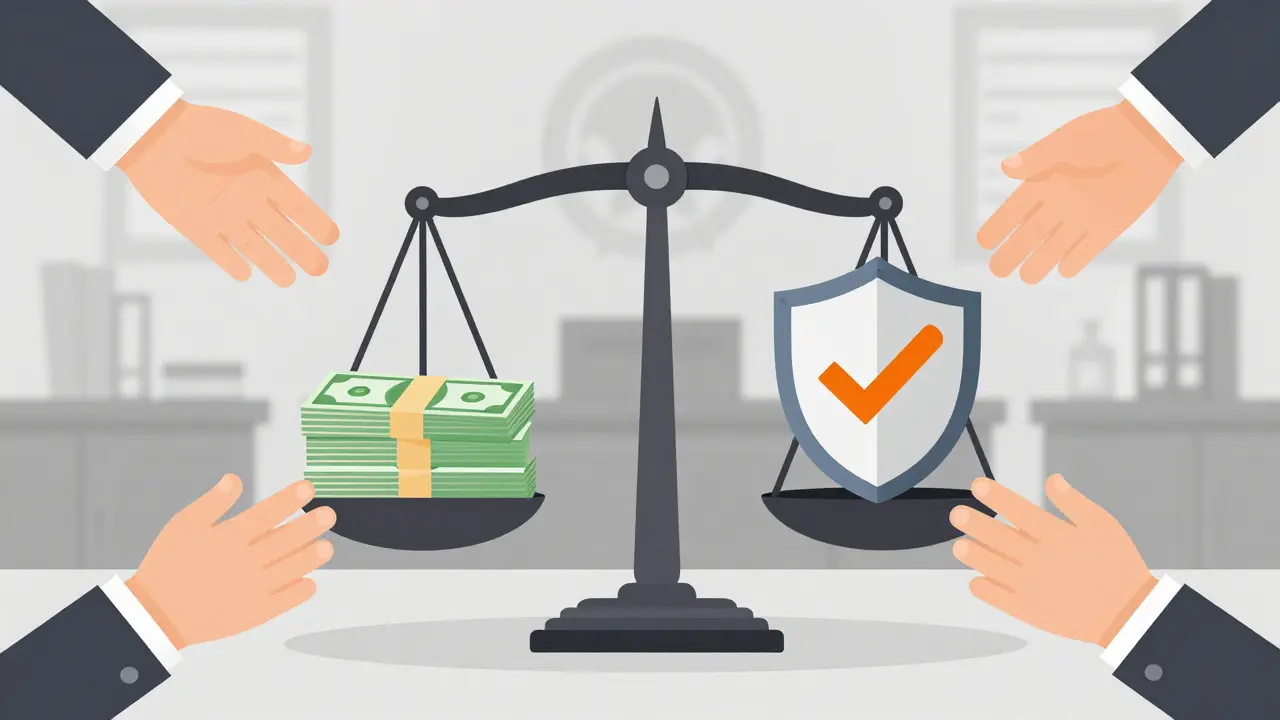
The debate over safety communications highlights the delicate balance in healthcare policy. We want cheap drugs, but we also want perfect safety data. Currently, the system leans toward stability and litigation protection for manufacturers, while advocates push for dynamic, real-time safety updates for consumers.
Can generic drug companies update safety warnings on their own?
Generally, no. Under current regulations, generic manufacturers must follow the warning labels provided by the brand-name Reference Listed Drug (RLD). While a 2013 proposal suggested allowing them to use the 'changes-being-effected' process to update labels independently, this has not been finalized as of 2026 due to industry resistance regarding liability and competition laws.
Is the FDA MedWatch program available for generic drugs?
Yes. The MedWatch program accepts adverse event reports for all FDA-regulated products, including both brand-name and generic drugs. Reports contribute to the FDA Adverse Event Reporting System (FAERS) for analysis.
What is a complex generic drug product?
These are generic versions of medications with complex active ingredients or delivery mechanisms, such as transdermal patches or extended-release injectables. They require specialized safety monitoring because small formulation changes can affect performance differently than standard tablets.
Why do insurance companies push for generic drugs?
Generics are available at a fraction of the cost of brand-name equivalents. Many insurance plans have formularies that require patients to try the generic option first to reduce overall healthcare spending, assuming safety profiles are identical.
How long does the FDA review process take for generic supplements?
According to industry representatives like GPhA, the review of supplements typically takes 9 to 12 months. This delay is one reason why some advocates argue for expanded labeling rights for generic manufacturers.
Next Steps for Safety Vigilance
Whether you are a clinician, a regulator, or a patient, the path forward involves active participation. For those interested in tracking developments, checking the FDA's Drug Safety and Availability page provides regular updates on new warnings and shortages. Understanding that the system is evolving helps temper expectations.
Keep an eye on advocacy statements from consumer health organizations, as they often push the boundaries of what is legally permissible regarding labeling. Simultaneously, watch for any changes in the Hatch-Waxman framework, as legislative tweaks could alter the competitive landscape for generic producers overnight. Until then, treating every safety alert as actionable intelligence remains the safest bet.

April 2, 2026 AT 00:44 AM
It's wild how much bureaucracy blocks us from knowing our own body's reactions just because of profit margins!
April 2, 2026 AT 08:02 AM
I remember when my mom started having headaches after switching to a generic version of her daily medication.
We thought it was just stress until she noticed the label hadn't changed despite new warnings online.
That frustration really sticks with me whenever I read about how slow these updates get pushed.
You feel totally helpless watching your loved one deal with side effects because someone else controls the paperwork.
The system seems designed to protect companies more than the patients using these pills every day.
I wish there was a faster way to get real feedback loops working for regular people.
Sometimes I wonder if we are being tested on how much risk we can handle before speaking up.
Insurance tells us to use the cheaper option but then we find out the cheaper option isn't fully updated with safety data.
My mom's pharmacist finally called the manufacturer after months of complaints.
They said they can only change labels if the brand maker says so first.
This feels like a massive gap in how we take care of vulnerable populations who rely on these meds.
It makes me sad that we have to fight for basic transparency instead of getting it by default.
Every delay in labeling means more people could be suffering in silence without knowing why.
I hope eventually the regulators listen to families who live with this reality constantly.
We deserve better than waiting nine months for someone to approve a warning update.
April 4, 2026 AT 07:25 AM
Clearly you are misinformed about the regulatory framework governing pharmaceutical distribution standards.
Your anecdotal evidence does not outweigh the established protocols set forth by federal oversight committees.
If manufacturers were allowed unilateral authority they would simply increase costs through unnecessary litigation defense.
The current structure exists to prevent chaos in the market supply chain.
Generic companies operate on razor thin margins and cannot afford the lawsuits you seem to think are beneficial.
People like you push for changes without understanding the economic consequences involved.
April 5, 2026 AT 21:28 PM
This! Is! Vital! Information! For! Our! Health!
We! Must! Understand! The! Rules!
April 5, 2026 AT 21:35 PM
There is definitely a shadowy web controlling what gets printed on those little paper slips.
Big Pharma loves to hide the ugly truths behind red tape and endless meetings.
Why does it always take nearly a year to warn us about poison?
I bet there is money changing hands while patients suffer silently in the dark.
The system feeds on uncertainty to keep power concentrated in elite hands.
April 7, 2026 AT 17:02 PM
Oh wow another exciting FDA alert nobody cares about until something goes wrong for them personally.
Just wait until you are forced to buy the cheap version and then cry about side effects later.
People love complaining about safety until they have to pay full price themselves.
Sarcasm is the only emotion left when discussing government bureaucracy honestly.
April 9, 2026 AT 12:16 PM
The distinction between reference listed drugs and generic equivalents is legally significant.
Citizens often lack awareness regarding the Hatch-Waxman Act limitations.
Regulatory bodies prioritize stability over rapid adaptation in labeling protocols.
However, pharmacovigilance systems like FAERS remain the primary intake method for public reports.
Patient advocacy remains essential to bridge the communication gaps identified in recent studies.
Professional consultation is always recommended when discrepancies arise in clinical outcomes.
Data integrity within the MedWatch program ensures comprehensive tracking of adverse events nationwide.
April 11, 2026 AT 09:23 AM
The question of safety is fundamentally a philosophical inquiry into trust and institutional reliability.
We place our biological well-being into systems managed by distant bureaucracies with limited visibility.
This creates an existential tension between individual autonomy and collective security measures.
When labels lag behind reality we lose agency over our own medical history.
Is it acceptable for profit motives to dictate the speed of knowledge dissemination?
Perhaps the true cost of affordable medicine is the erosion of immediate transparency rights.
We must consider whether convenience justifies the potential risks hidden in regulatory gray areas.
Patients become passive subjects in a drama written by corporate entities far away.
Ethics demand that knowledge flows instantly rather than waiting for bureaucratic seasons to turn.
Trust in the system erodes every month a known danger remains unlisted on a bottle.
Ultimately our society reflects its values through how it handles the vulnerability of sickness.
Slow information is dangerous information regardless of the legal protections surrounding the process.
We need to decide if human life outweighs the fear of litigation driving these delays.
True compassion involves removing barriers to critical health information immediately.
The path forward lies in recognizing safety as a fundamental right not a privilege granted by approval.
April 11, 2026 AT 21:48 PM
From a pharmacovigilance standpoint the signal detection mechanisms within FAERS are robust.
Bioequivalence testing confirms therapeutic equivalence across active ingredient delivery profiles.
However off-label excipient variations can introduce immunogenic responses in sensitive demographics.
The CBE supplement pathway represents a complex interface between administrative law and clinical necessity.
Innovation offsets often require rigorous documentation to validate any proposed labeling modifications effectively.
Healthcare providers should maintain high vigilance regarding batch differences between generic suppliers.
April 12, 2026 AT 10:16 AM
the rules change nothing really just paper shuffling in the wind while the world turns on its axis slowly grinding everything into dust
April 13, 2026 AT 21:38 PM
You sound like you never actually voted in this country where we fix problems differently elsewhere.
Our laws exist to protect the economy from greedy foreigners trying to crash our market.
If anyone complains about delays they just want free handouts without paying for proper research costs.
America builds better drugs than any nation on earth so stop whining about minor procedural issues.
April 14, 2026 AT 07:06 AM
Finding common ground on healthcare issues takes patience from everyone involved in the system.
Both industry advocates and patient groups have valid concerns about safety versus cost efficiency.
Maybe a hybrid approach could balance the need for updates with necessary liability protections for manufacturers.
We should focus on improving communication tools rather than fighting over existing rules entirely.