
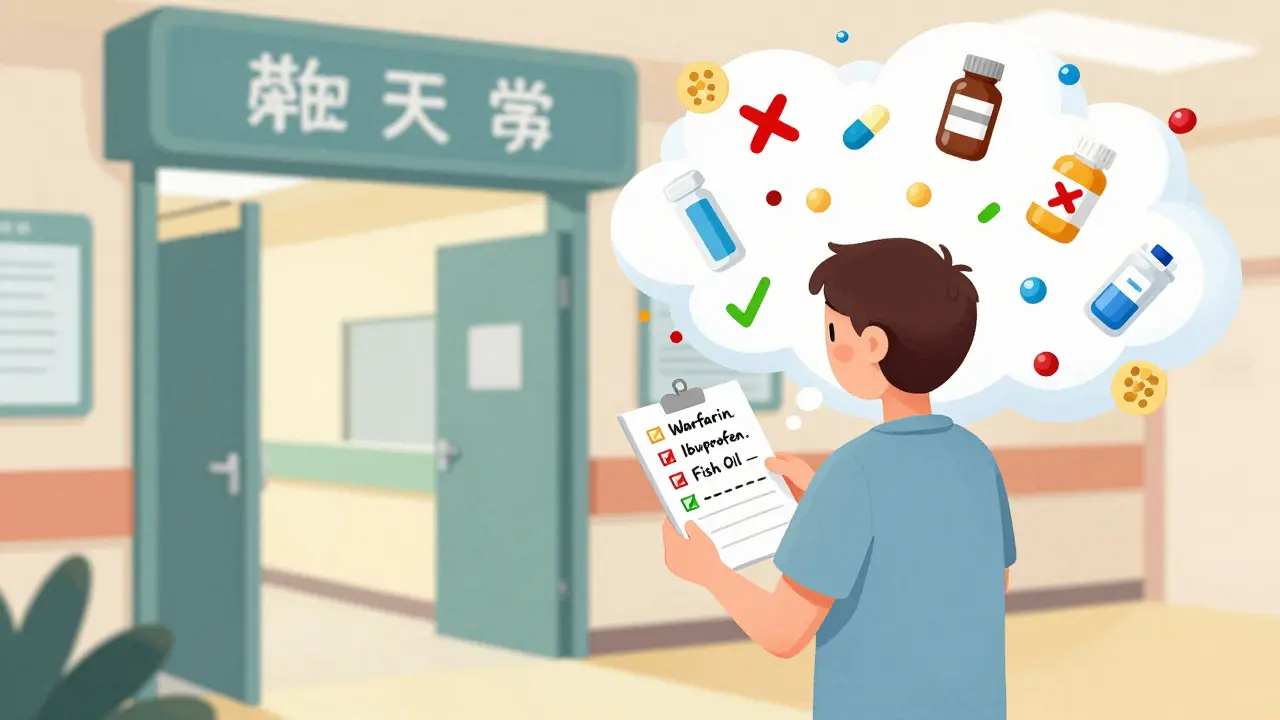
Medication reconciliation after hospital discharge prevents dangerous drug interactions by comparing what you took before, during, and after your hospital stay. Learn the three critical steps to protect yourself and avoid preventable errors.
Drug Interactions: What You Need to Know Before Mixing Medications
When you take more than one medication—or even a supplement—your body doesn’t always handle it the way you expect. This is where drug interactions, harmful or unexpected effects that happen when two or more substances react inside your body. Also known as medication interactions, they can turn a safe dose into a serious risk. It’s not just about prescription drugs. Your daily multivitamin, that herbal tea you drink for sleep, or even grapefruit juice can change how your meds work—sometimes dangerously.
Take blood thinners, medications like warfarin or clopidogrel that prevent clots but are easily affected by other substances. Ginkgo biloba, often seen as harmless, can increase bleeding risk when mixed with them. Or consider beta-blockers, drugs used for high blood pressure and heart conditions that can mask signs of low blood sugar. If you’re on insulin, this combo hides the warning signs of hypoglycemia—until it’s too late. Even common OTC pain relievers, like acetaminophen or NSAIDs such as ibuprofen, can cause liver damage or stomach bleeding when combined with other drugs or alcohol. These aren’t rare cases. They happen every day because people assume if it’s sold over the counter or labeled "natural," it’s safe to mix.
Drug interactions don’t always cause immediate symptoms. Sometimes, they slowly reduce effectiveness—like when carbamazepine lowers the level of birth control pills in your system. Other times, they build up toxicity, like when statins and certain antibiotics team up to damage muscles. The real danger? Most people don’t tell their doctors about their supplements. One study found that over 70% of adults taking herbal products never mention them during a medical visit. That’s why knowing your full list of meds—prescription, OTC, vitamins, and herbs—isn’t just good advice. It’s lifesaving.
Below, you’ll find real, practical guides that break down exactly which combinations to watch out for. From how fosfomycin avoids common antibiotic interactions to why Ginkgo biloba and warfarin shouldn’t share a day, these posts give you the facts—not guesses. You’ll learn how to talk to your provider about what you’re taking, spot red flags in your own routine, and avoid the hidden traps most people never see coming.
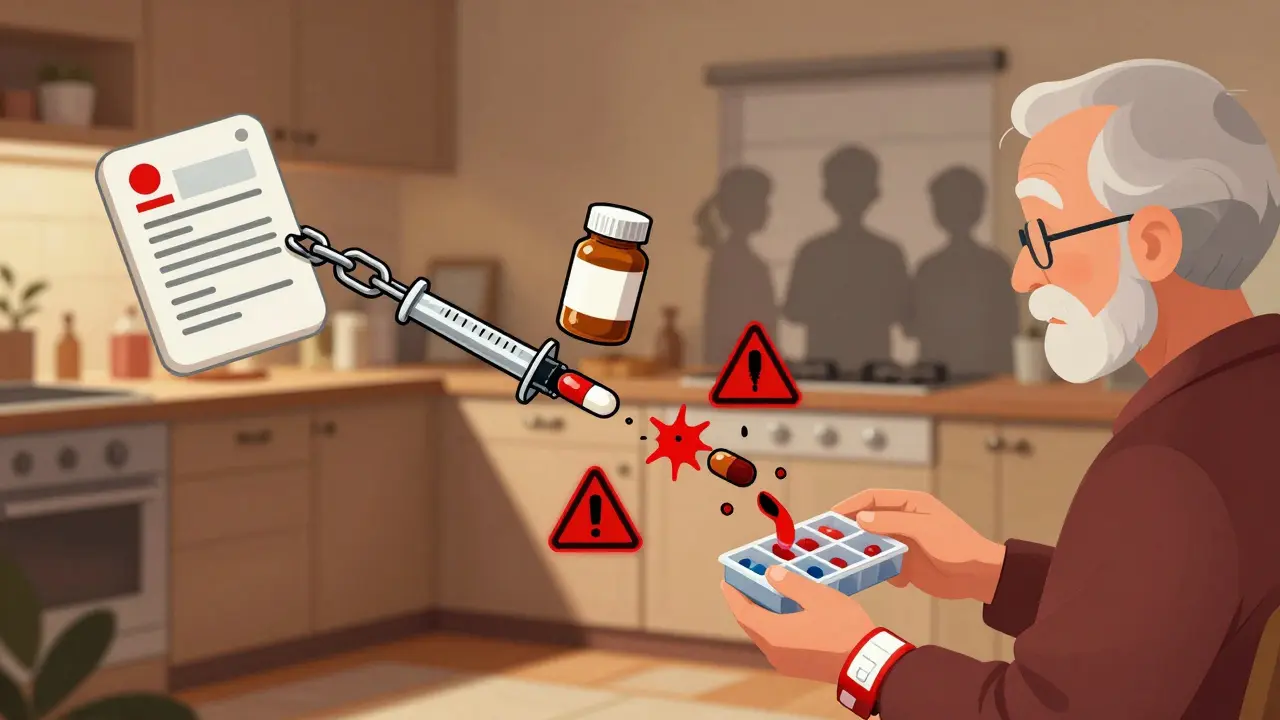
Medication safety prevents harmful errors in how drugs are prescribed, dispensed, and taken. With over 1.5 million ER visits yearly from preventable drug mistakes, knowing how to protect yourself is essential for every patient.
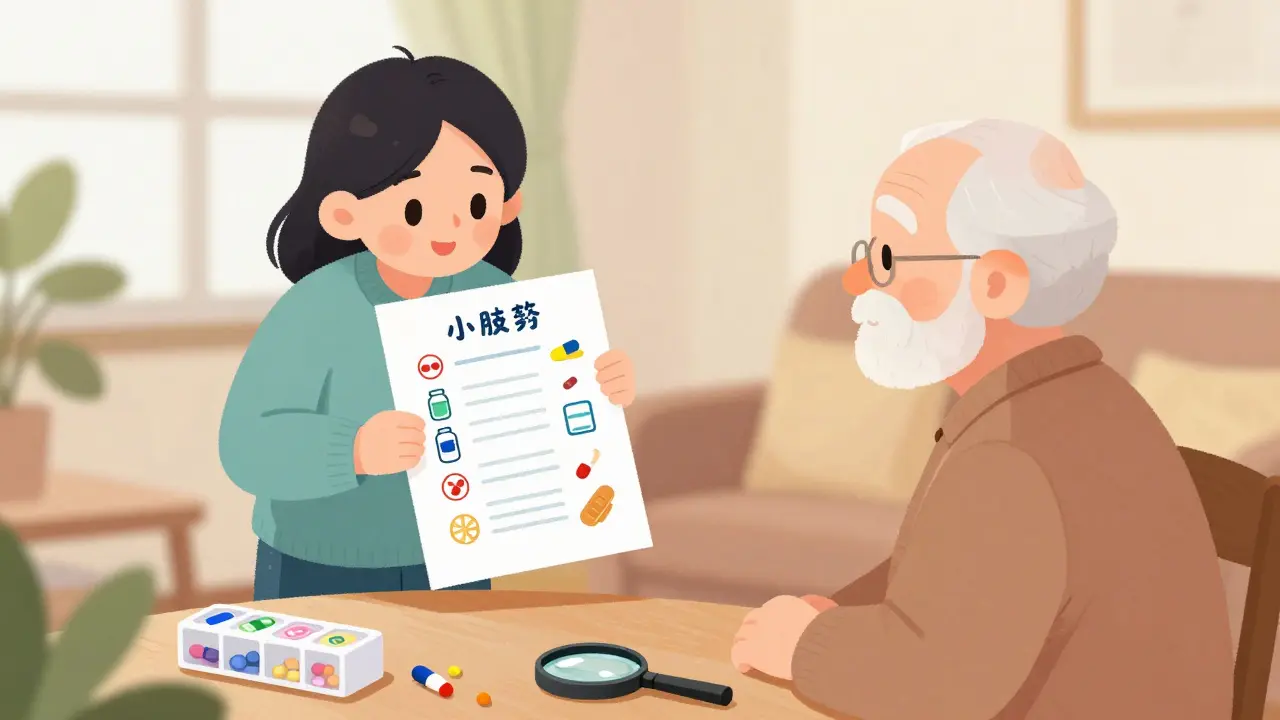
Learn how caregivers can prevent dangerous medication errors at home with simple, proven steps - from keeping accurate lists to using pill organizers and talking to pharmacists. Protect your loved one’s health with expert-backed safety practices.
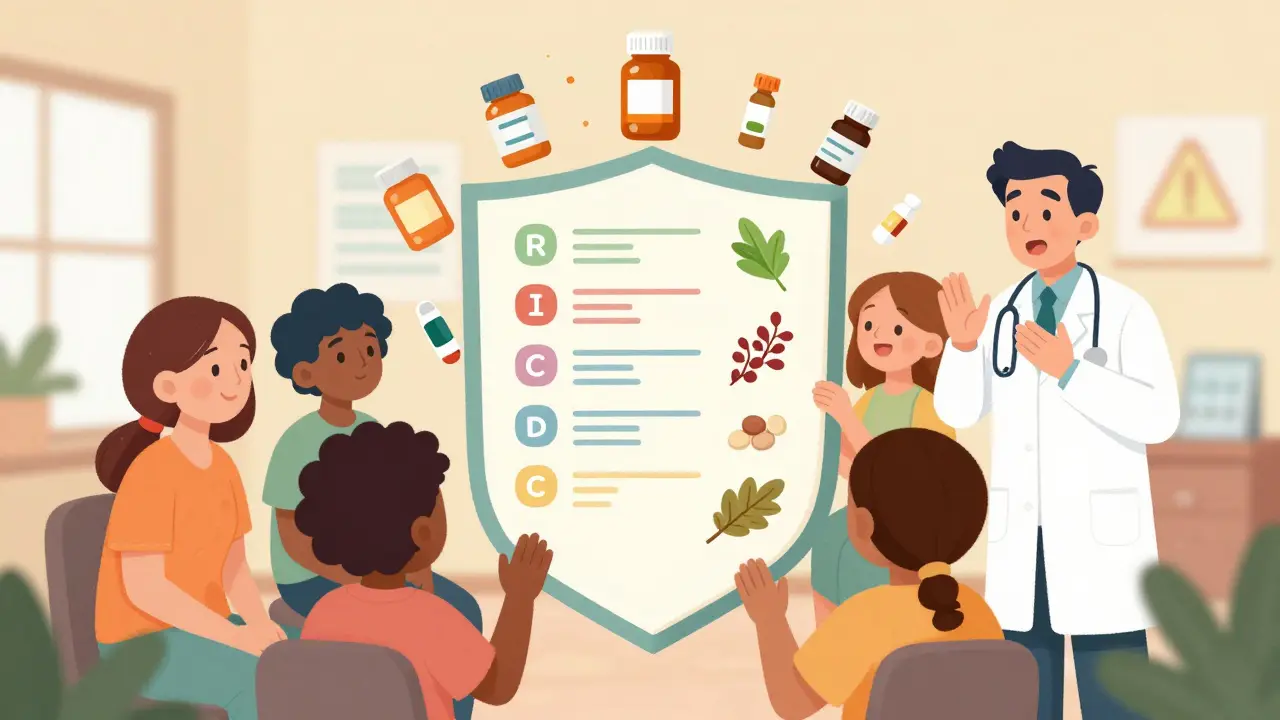
Sharing a complete, accurate medication list with every healthcare provider can prevent dangerous drug interactions. Learn what to include, how to update it, and how to make sure your list saves your life.
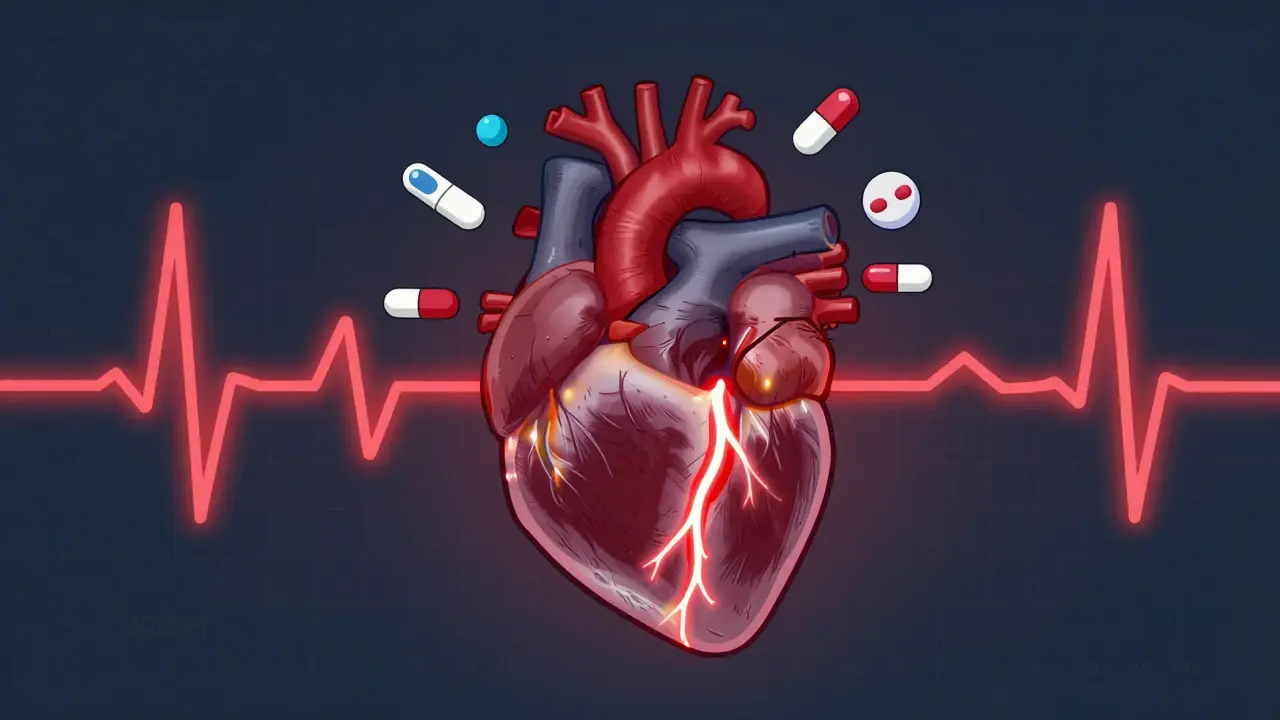
Methadone can dangerously prolong the heart's QT interval, especially when combined with other medications. This article explains how the interaction works, who's at highest risk, and what steps can prevent sudden cardiac death.
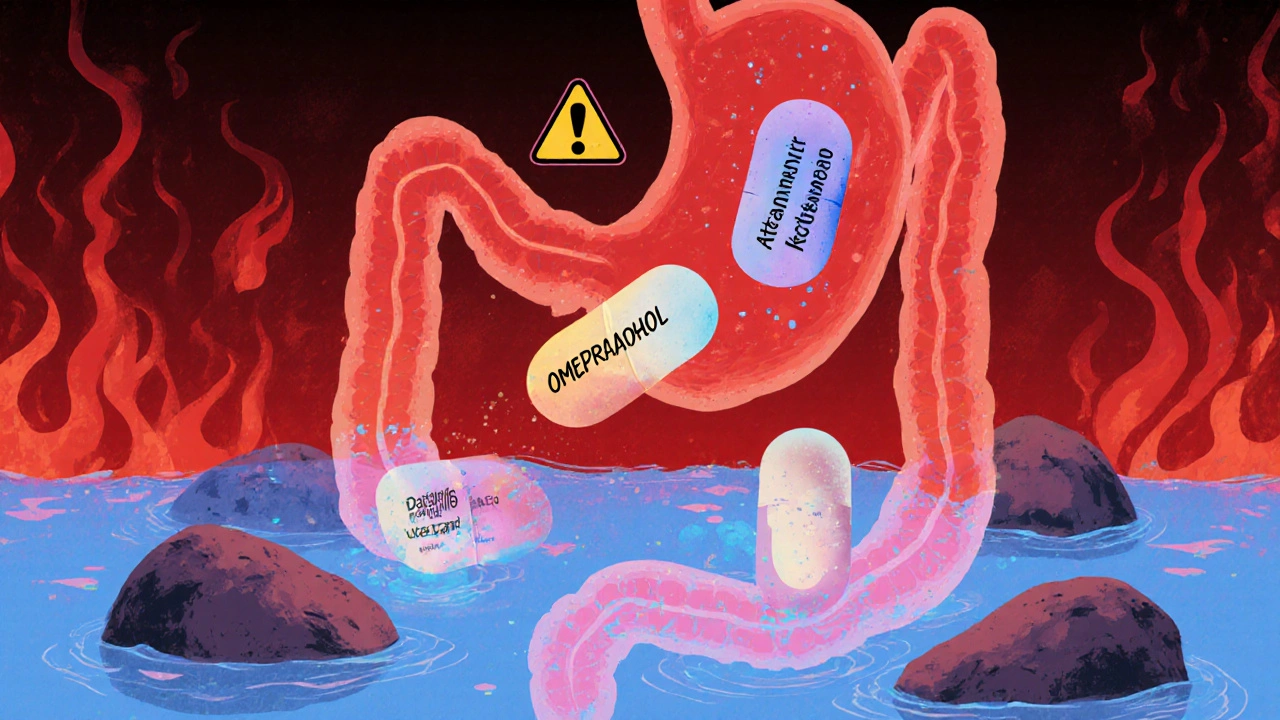
Acid-reducing medications like PPIs and H2 blockers can seriously reduce the absorption of other drugs, leading to treatment failure. Learn which medications are at risk and how to protect your health.
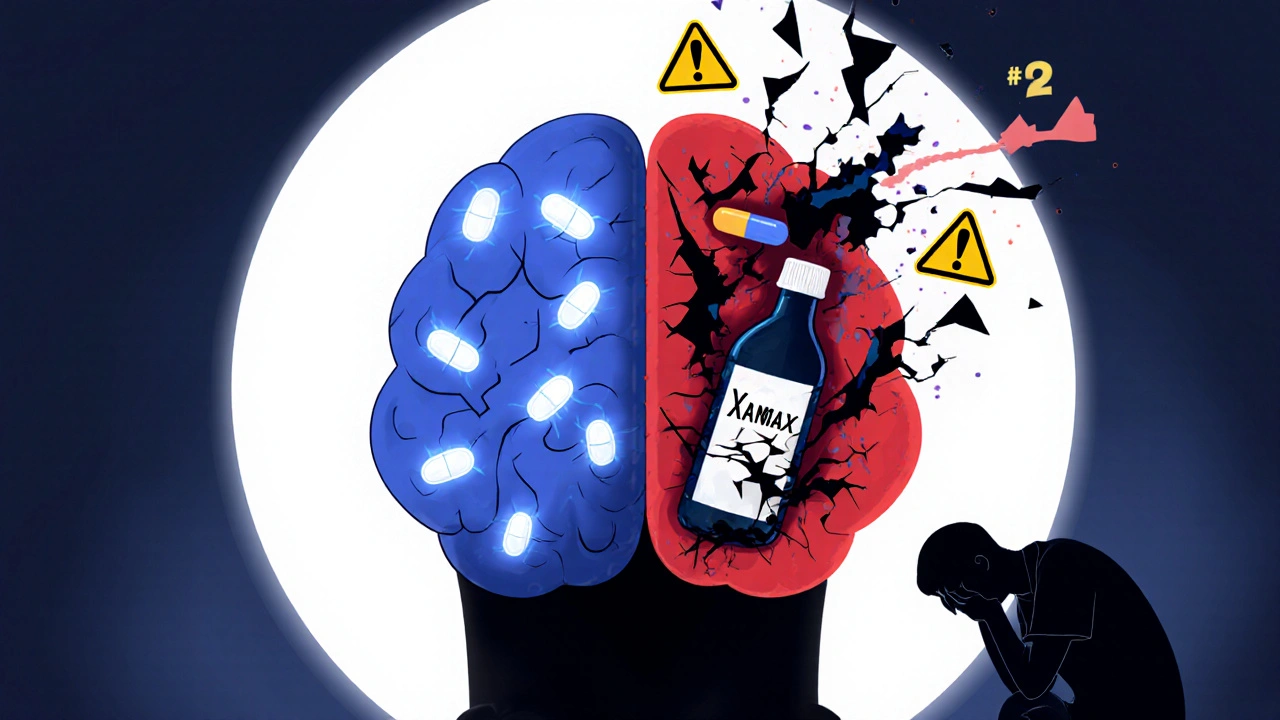
Benzodiazepines like Xanax and Valium offer fast anxiety relief but carry serious risks when mixed with opioids, alcohol, or sleep meds. Learn the dangerous interactions, who's most at risk, and safer alternatives.