
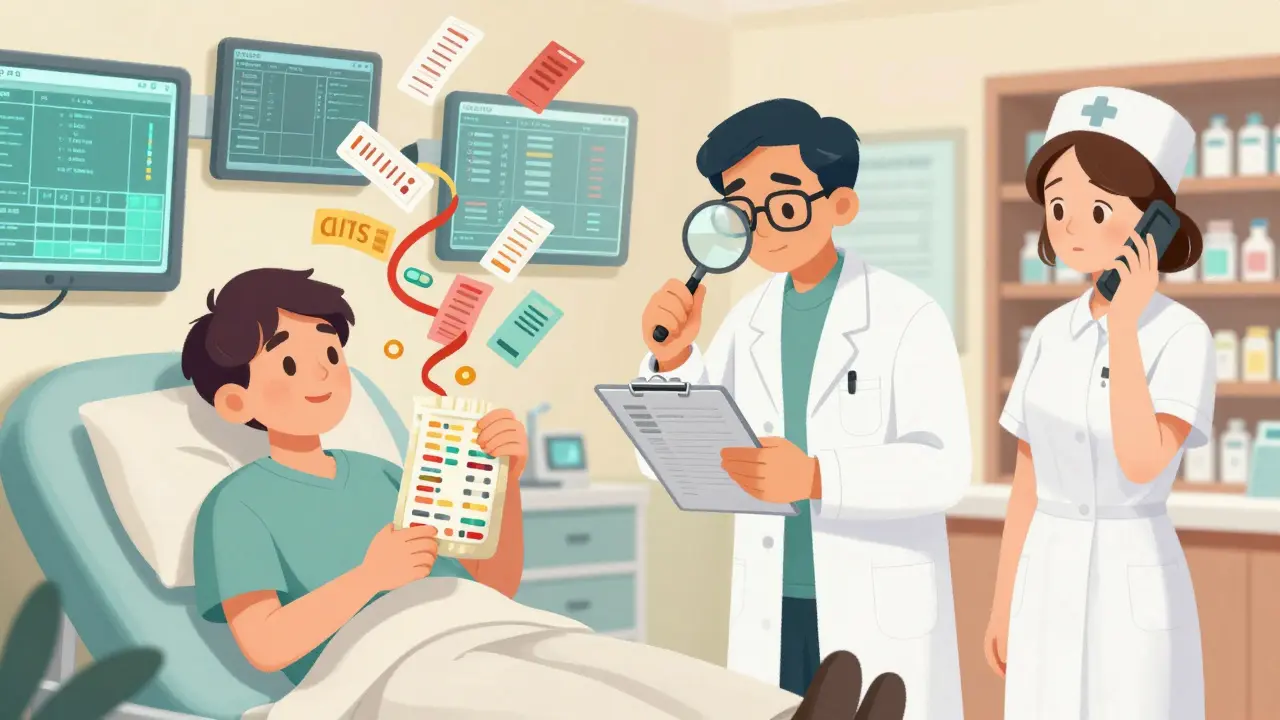
Medication errors during care transitions cause avoidable harm and hospital readmissions. Learn how medication reconciliation, pharmacist involvement, and patient engagement can prevent these errors and save lives.
Patient Safety: Protect Yourself from Medication Risks and Errors
When you take a pill, you trust it will work—and not hurt you. But patient safety, the practice of preventing harm from medical care, including errors in prescribing, dispensing, or taking medications. Also known as medication safety, it’s not just about hospitals—it’s about every bottle in your medicine cabinet. Every year, hundreds of thousands of people in the U.S. end up in the ER because of avoidable mistakes with drugs. Some are from mix-ups between similar-looking pills. Others come from hidden interactions—like taking a common painkiller with a blood thinner and bleeding inside your stomach. It’s not rare. It’s not random. It’s systemic.
That’s why drug interactions, when one medication changes how another works in your body matter so much. A proton pump inhibitor like omeprazole can make your antidepressant useless. Ginkgo biloba can turn your aspirin into a bleeding risk. And if you’re on a long-acting injectable antipsychotic, skipping your monthly checkup could mean undetected diabetes or movement disorders that turn deadly. Even counterfeit generics, fake versions of cheap, off-patent drugs that may contain no active ingredient or toxic fillers are flooding online markets. You might think you’re saving money on Ozempic or metformin—but you could be poisoning yourself. And if you’re taking tricyclic antidepressants or opioids, your blood levels need monitoring. No guesswork. No "it should be fine." Real data, like TDM or ECG checks, saves lives.
Most people don’t realize how much control they have. You can ask your pharmacist if a new drug interacts with your supplements. You can check your insurance formulary before filling a prescription. You can learn the signs of an overdose so your family can act fast. You can verify where your meds come from. This collection doesn’t just list risks—it gives you the tools to stop them. From how to spot fake pills to why liver disease changes your dosing, from opioid rotation to what happens when your body can’t clear drugs properly, every article here is a shield. You don’t need to be a doctor to protect yourself. You just need to know what to ask.
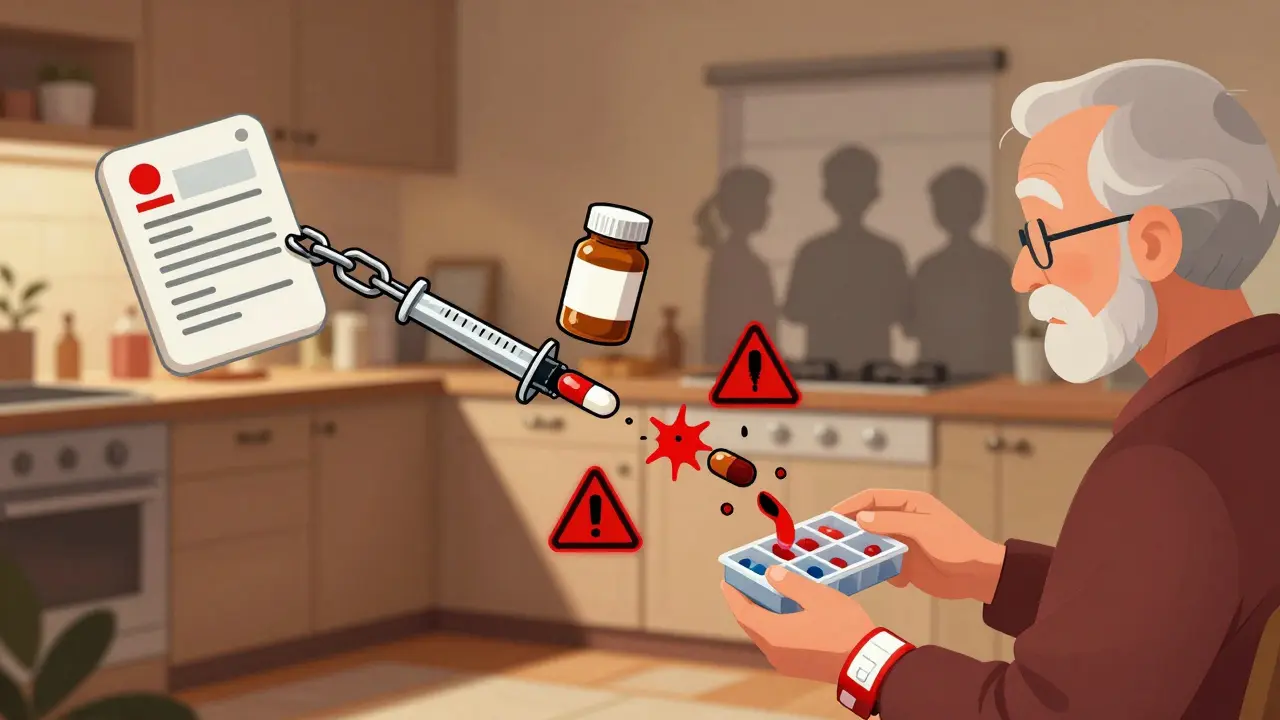
Medication safety prevents harmful errors in how drugs are prescribed, dispensed, and taken. With over 1.5 million ER visits yearly from preventable drug mistakes, knowing how to protect yourself is essential for every patient.
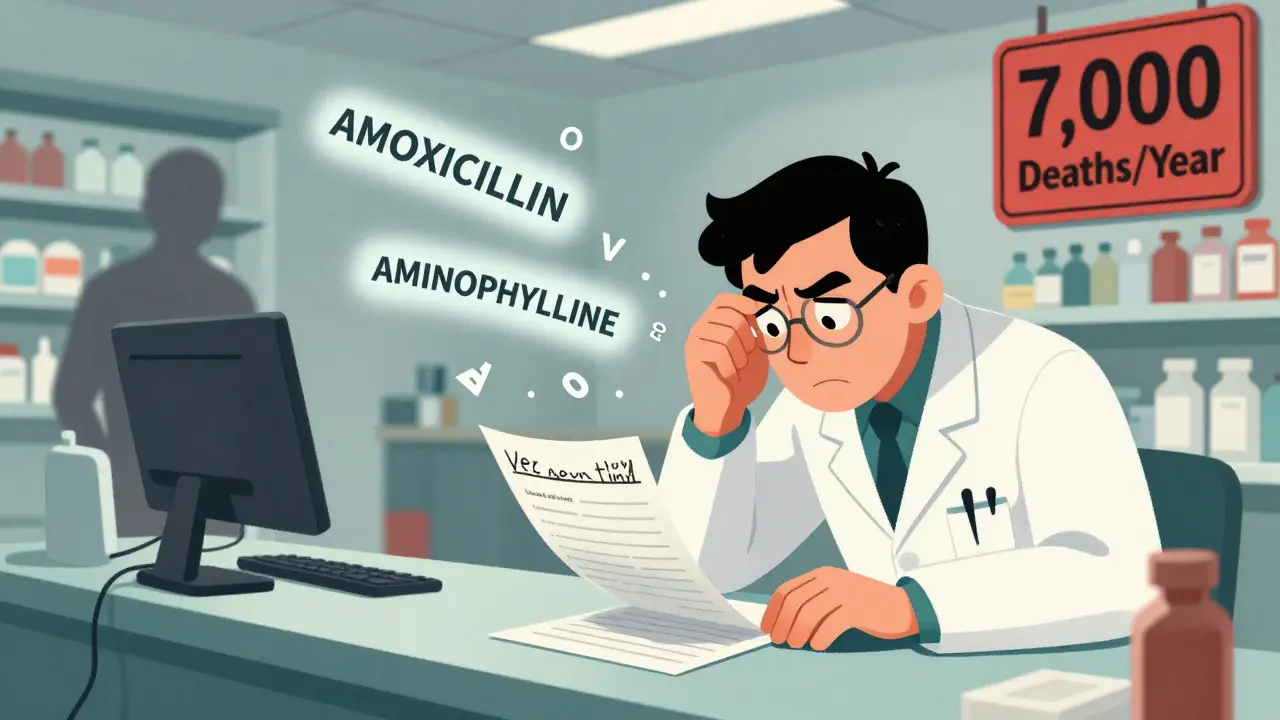
Illegible handwriting on prescriptions causes thousands of preventable deaths each year. E-prescribing has slashed these errors by 97%, saving lives and cutting operational chaos in healthcare systems worldwide.
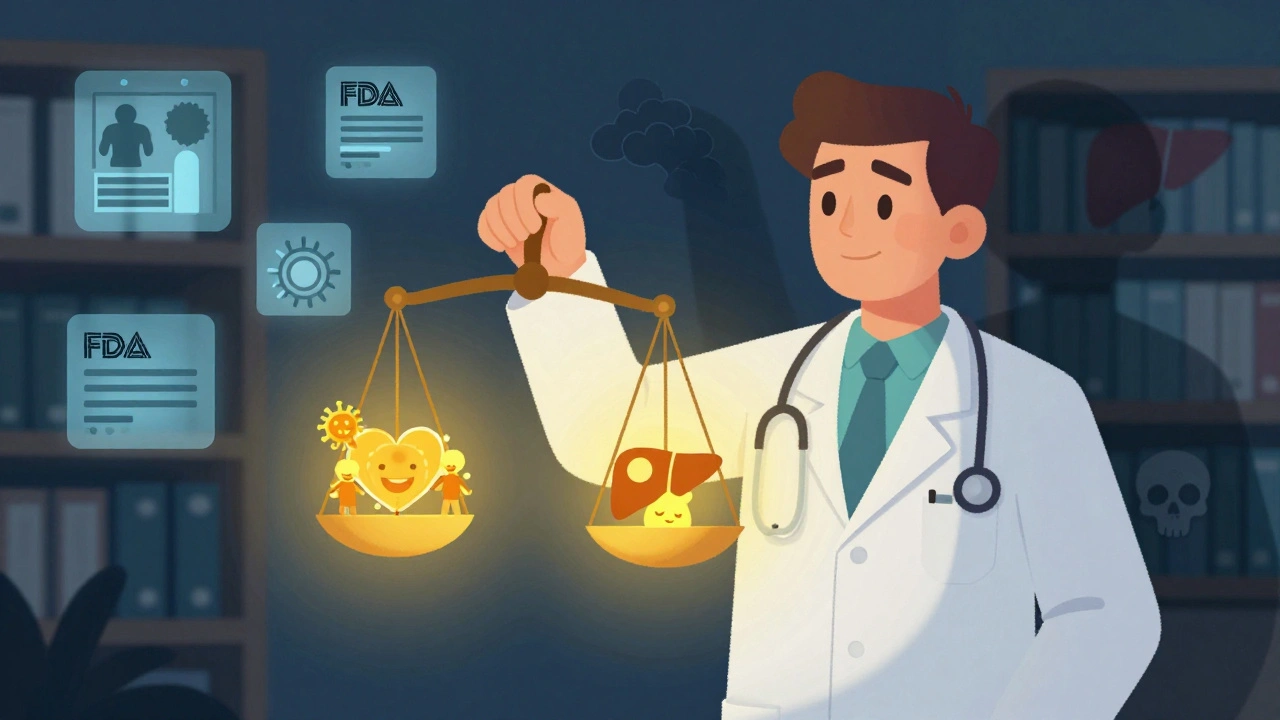
Healthcare providers weigh medication risks against benefits to ensure treatments do more good than harm. This process considers disease severity, side effects, patient preferences, and real-world data-especially when options are limited.