

PHRs consolidate your medication history from multiple pharmacies into one place. They prevent errors, save time, and give you control. But challenges like missing OTC data exist. Learn how to use them effectively and compare top systems like Apple Health and My Health Record.
Medication Management: How to Safely Use, Monitor, and Adjust Your Drugs
When you're managing medication management, the process of safely using, monitoring, and adjusting drugs to achieve the best health outcome while minimizing harm. Also known as drug therapy management, it's not just about remembering to take your pills—it's knowing why you're taking them, how they affect your body, and what could go wrong if you don't pay attention. Many people think it's a one-time task: pick up the prescription, read the label, take it daily. But real medication management is ongoing, dynamic, and deeply personal. It changes when your liver slows down, when your insurance switches tiers, when a new drug is added, or when you start taking an herbal supplement you think is harmless.
Good medication management, the process of safely using, monitoring, and adjusting drugs to achieve the best health outcome while minimizing harm. Also known as drug therapy management, it's not just about remembering to take your pills—it's knowing why you're taking them, how they affect your body, and what could go wrong if you don't pay attention. requires understanding how your body handles drugs. For example, if you have liver disease, a condition that reduces the liver’s ability to break down medications, leading to dangerous buildup in the bloodstream, even standard doses can become toxic. That’s why dosing adjustments aren’t guesses—they’re based on blood tests, enzyme levels, and clinical scoring systems. It also means knowing about drug interactions, when one medication changes how another works, either by boosting its effect, blocking it, or causing harmful side effects. A common painkiller like ibuprofen can make your blood pressure meds less effective. Ginkgo biloba, often seen as a "natural" brain booster, can turn your blood thinner into a bleeding risk. And acid-reducing pills? They can stop your antibiotics or antidepressants from being absorbed at all.
Then there’s the system side. Your insurance formulary, the list of drugs your plan covers and how much you pay for each tier can force you to switch meds mid-treatment, even if you’re doing fine. You might be on a drug that works, only to find out your insurer now requires you to try a cheaper generic first—or worse, they stop covering it entirely. And when you’re on long-term meds like antipsychotics or opioids, therapeutic drug monitoring, the practice of measuring drug levels in the blood to ensure they’re in the safe and effective range isn’t optional. It’s lifesaving. Tricyclic antidepressants can cause fatal heart rhythms if levels creep too high. Opioid rotation—switching from one painkiller to another—is a real strategy to reduce side effects without losing pain control. But none of this happens unless you’re actively involved. You need to track what you’re taking, ask about alternatives, and speak up when something feels off.
What you’ll find below isn’t theory. These are real stories from people who’ve been through the mess of bad drug combos, surprise side effects, insurance denials, and counterfeit pills. You’ll learn how to spot fake meds, how to talk to your doctor about supplements, why your statins might be messing with your memory (and whether that matters), and how to teach your family to recognize an overdose before it’s too late. This isn’t about following rules. It’s about taking control—before the system fails you.
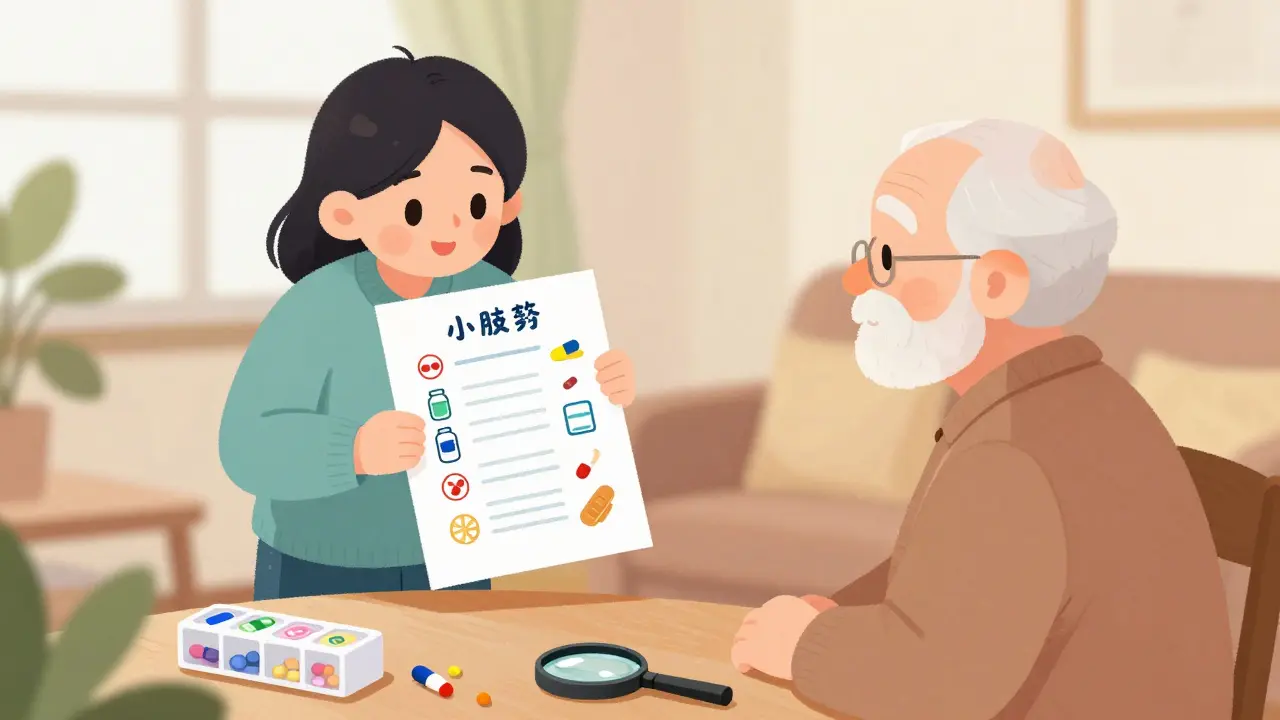
Learn how caregivers can prevent dangerous medication errors at home with simple, proven steps - from keeping accurate lists to using pill organizers and talking to pharmacists. Protect your loved one’s health with expert-backed safety practices.

Specialty pharmacies handle high-cost, complex drugs for chronic conditions. Generics and biosimilars offer major cost savings, but bring unique challenges in patient safety, PBM policies, and pharmacy workflows. Here’s what pharmacists need to know.