
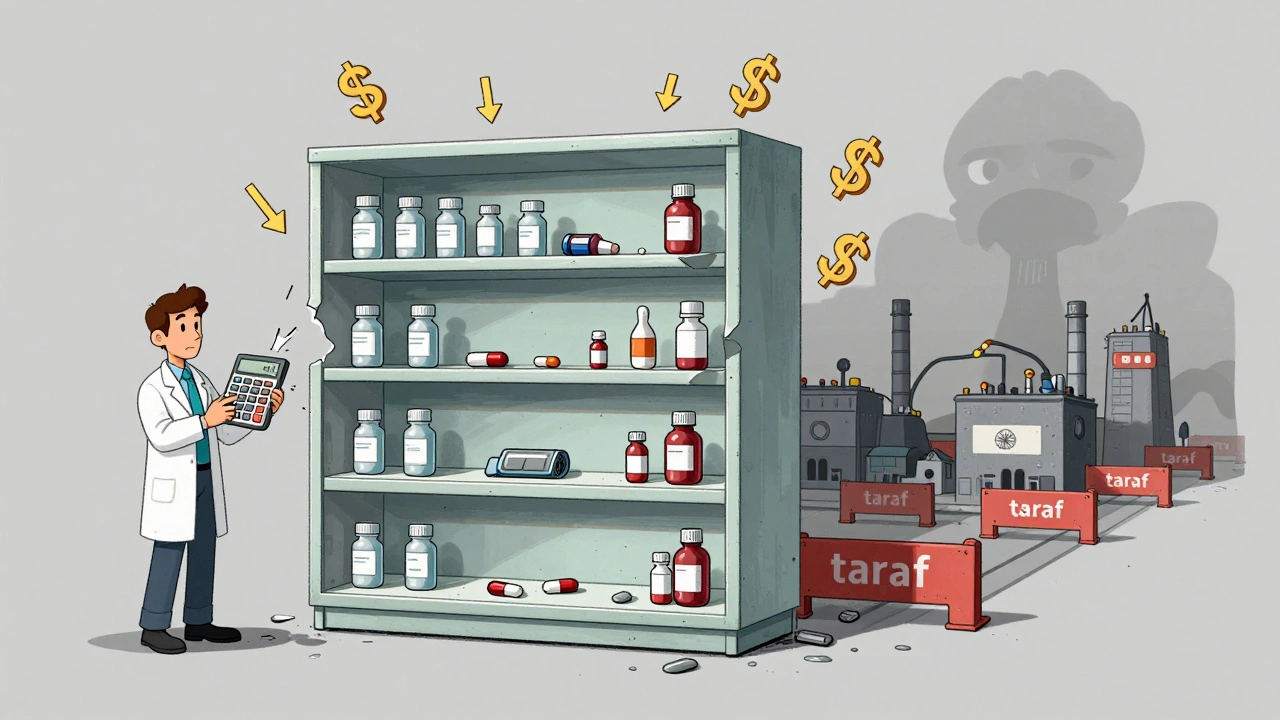
Pricing pressure and rising manufacturing costs are causing widespread drug shortages as generic drug makers can't profitably produce essential medicines. Here's how the system broke - and what needs to change.
Pharmaceutical Supply Chain: How Drugs Get to You and Why It Matters
When you pick up a prescription or grab an OTC painkiller, you’re holding the end result of a complex pharmaceutical supply chain, the end-to-end system that moves medicines from manufacturers to patients, involving production, regulation, distribution, and retail. Also known as drug distribution network, it’s not just about shipping boxes—it’s about ensuring the right drug gets to the right person at the right time, safely and affordably. Most people never think about it until something goes wrong: a shortage, a price spike, or a fake pill in the mail. But behind every pill is a chain of factories, regulators, wholesalers, and pharmacies—all working (or failing) together.
The generic drug procurement, the process by which public health systems buy bulk generic medications at the lowest possible cost. Also known as tendering systems, it’s how countries like those in Europe keep medicines affordable for millions plays a huge role in this chain. Public hospitals and insurers don’t just buy from whoever offers the lowest price—they use strict rules like MEAT evaluation (Most Economically Advantageous Tender) to balance cost, quality, and reliability. This isn’t just bureaucracy—it’s what lets you pay $4 for metformin instead of $400. But when these systems break down—due to political pressure, corruption, or global disruptions—patients pay the price in delayed refills or unsafe alternatives.
Then there’s drug safety, the ongoing monitoring of medicines after they’re on the market to catch hidden risks like liver damage, dangerous interactions, or false positives in home tests. Also known as pharmacovigilance, it’s how we learn that Ginkgo biloba can thin your blood too much, or that mixing Xanax with alcohol can be deadly. Clinical trials only show part of the story. Real-world use—millions of people taking drugs daily—is where unexpected problems show up. That’s why reports from doctors, patients, and even online pharmacies help update safety guidelines. Without this layer of the supply chain, we’d be flying blind.
And let’s not forget the drug distribution, the physical and logistical movement of medications through warehouses, transport networks, and pharmacies. Also known as medication logistics, it’s what keeps your insulin cold, your antibiotics in stock, and your anxiety meds from getting lost in transit. Ever wonder why some drugs are easier to get online than in your local pharmacy? It’s not just about price—it’s about distribution routes. Some companies bypass traditional wholesalers to ship directly to consumers, cutting costs but raising questions about authenticity and storage. That’s why knowing where your meds come from matters as much as what’s in them.
The pharmaceutical supply chain isn’t glamorous, but it’s the invisible backbone of your health. It connects the lab where a drug is invented to the bottle on your nightstand. It’s shaped by government rules, corporate decisions, global trade, and even weather events that delay shipping. When it works well, you don’t notice it. When it fails, you feel it in your wallet, your wait time, or your peace of mind.
Below, you’ll find real-world examples of how this system affects you—from how Europe saves billions on generics to why online pharmacies can offer prices 80% lower than CVS. You’ll see how safety signals emerge after drugs hit the market, how tendering systems make drugs affordable, and why your OTC choices might be safer—or riskier—than you think. This isn’t theory. These are the systems that deliver your medicine. Know them. Understand them. Use them wisely.
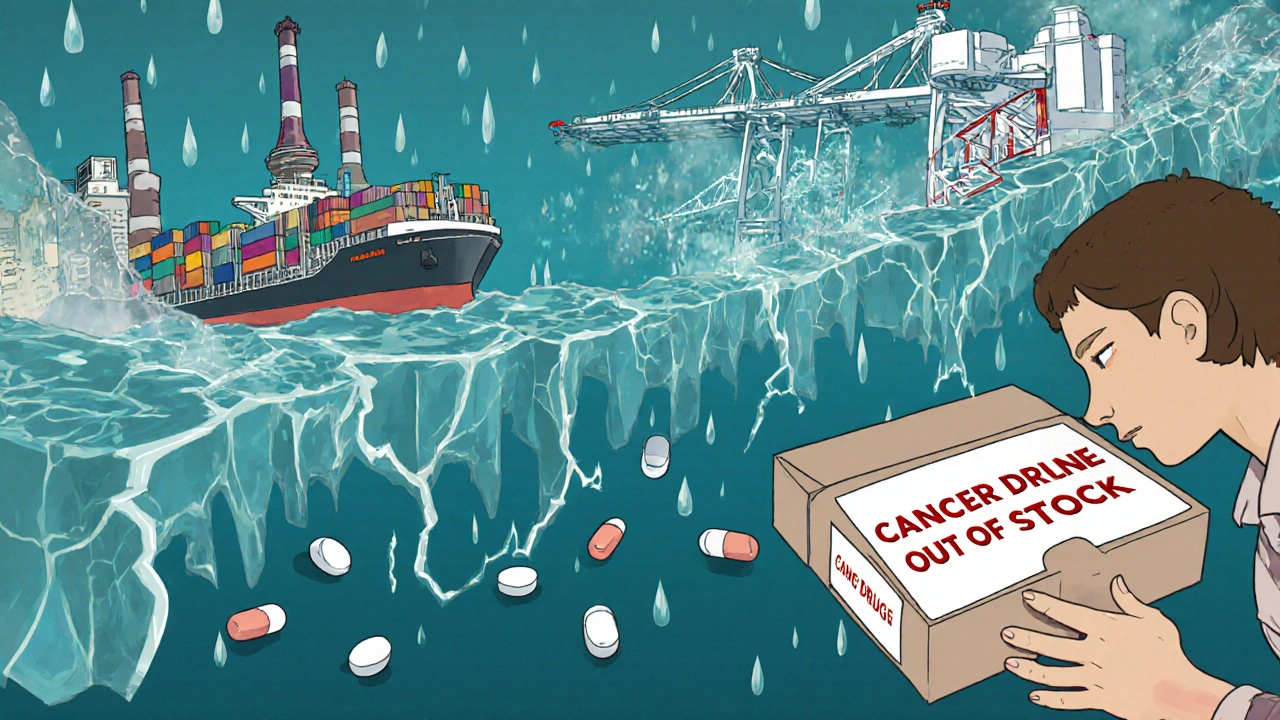
Dependence on foreign manufacturing for drugs is causing widespread shortages in 2025. With 80% of active ingredients coming from China and India, disruptions in one country can halt global supply. Here’s how multi-shoring and local production are helping.