
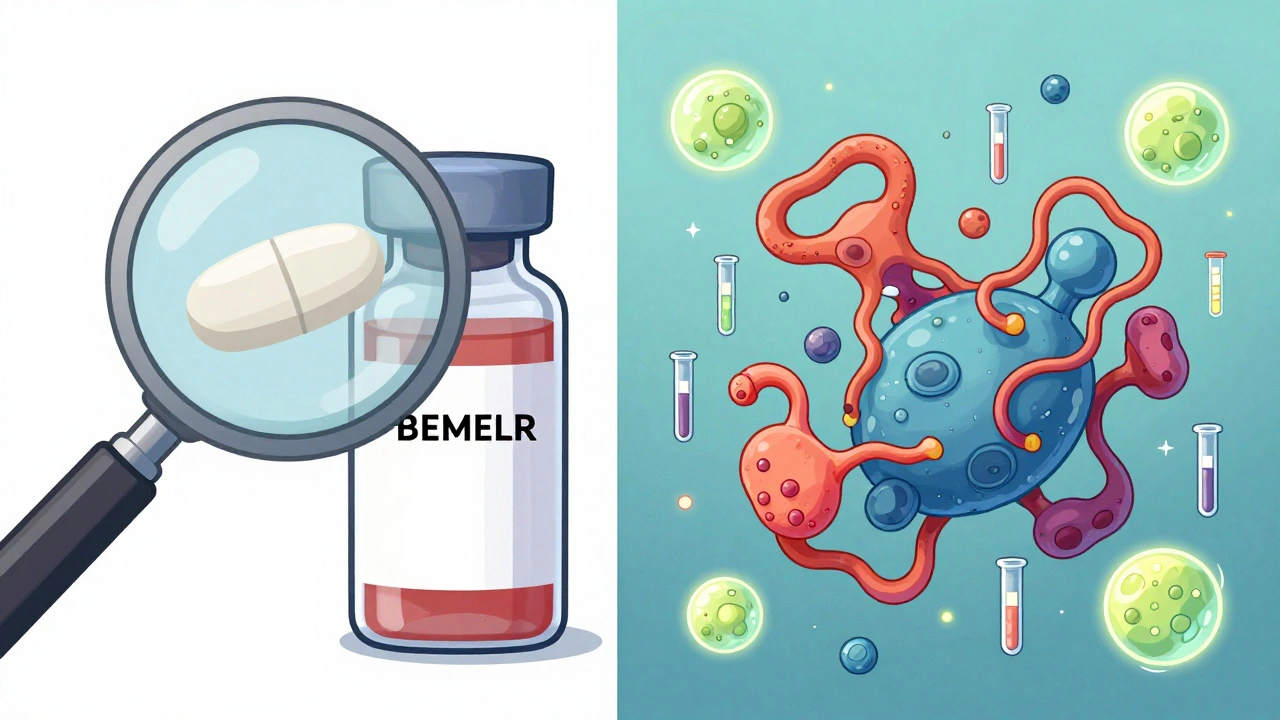
Biosimilars and generics both lower drug costs, but they’re not the same. Biosimilars are complex biologic copies with different approval rules, safety considerations, and cost savings than simple generic chemicals.
Generics: What They Are, Why They Matter, and How to Avoid Fake Ones
When you hear generics, lower-cost versions of brand-name drugs that contain the same active ingredients, dosages, and effects. Also known as generic medications, they make up over 90% of prescriptions filled in the U.S. and are just as safe and effective as their name-brand cousins—when they’re real. The real issue isn’t whether generics work. It’s whether you’re getting the real thing.
Counterfeit generics, fake pills made to look like legitimate drugs but often containing no active ingredient or dangerous chemicals. Also known as fake medications, these are flooding online markets and even some brick-and-mortar stores, especially for popular drugs like Ozempic or Viagra. The FDA warns that some counterfeits contain rat poison, floor cleaner, or nothing at all. You can’t tell by looking. A pill that looks like the real thing might be completely useless—or deadly. This isn’t a rare problem. In 2024, over 1,200 fake drug cases were reported in the U.S. alone. Most come from unverified online pharmacies that don’t require prescriptions or provide tracking numbers.
Generic drug prices, how much you pay for FDA-approved versions of brand-name drugs, often 80-85% cheaper. Also known as e-pharmacy prices, they’re why millions use GoodRx, Beem, or other discount services. But price doesn’t equal safety. A $5 pill from a shady site might be cheaper than a $40 one at CVS—but it could be a trap. Legit generics come from manufacturers that follow strict quality rules. They’re approved by the FDA or equivalent agencies abroad. They’re dispensed by licensed pharmacies. And they’re tracked from factory to your hands. If you’re switching from brand to generic, ask your pharmacist: "Is this from a verified supplier?" Don’t be shy. Your life depends on it.
Drug substitution rules vary by state and insurer. Your insurance might force you to take a generic unless your doctor writes "dispense as written." But even when substitution is allowed, it should never mean swapping in a fake. Drug substitution, when a pharmacist swaps a brand-name drug for a generic approved by the FDA. Also known as generic switching, it’s a legal, safe practice—when done right. The problem isn’t substitution itself. It’s when substitution becomes a backdoor for fakes.
Europe handles this differently. Their tendering systems, government-run bidding processes that pick the lowest-cost generic suppliers while enforcing strict quality checks. Also known as public procurement, these systems save billions and keep fake drugs out of the pipeline. The U.S. doesn’t have anything like that. You’re on your own to spot the red flags.
Here’s what you can do: Always check the pharmacy’s license. Look for the VIPPS seal on websites. Avoid sites that sell drugs without a prescription. Compare prices—too good to be true? It probably is. And if your generic looks different from last month’s bottle, ask. Pills should look the same every time unless your doctor changed them.
Generics aren’t the enemy. They’re the reason millions can afford insulin, blood pressure meds, and antidepressants. But without vigilance, they become a weapon. The posts below show you exactly how to spot fakes, save money legally, understand why prices vary, and protect yourself when your health is on the line.
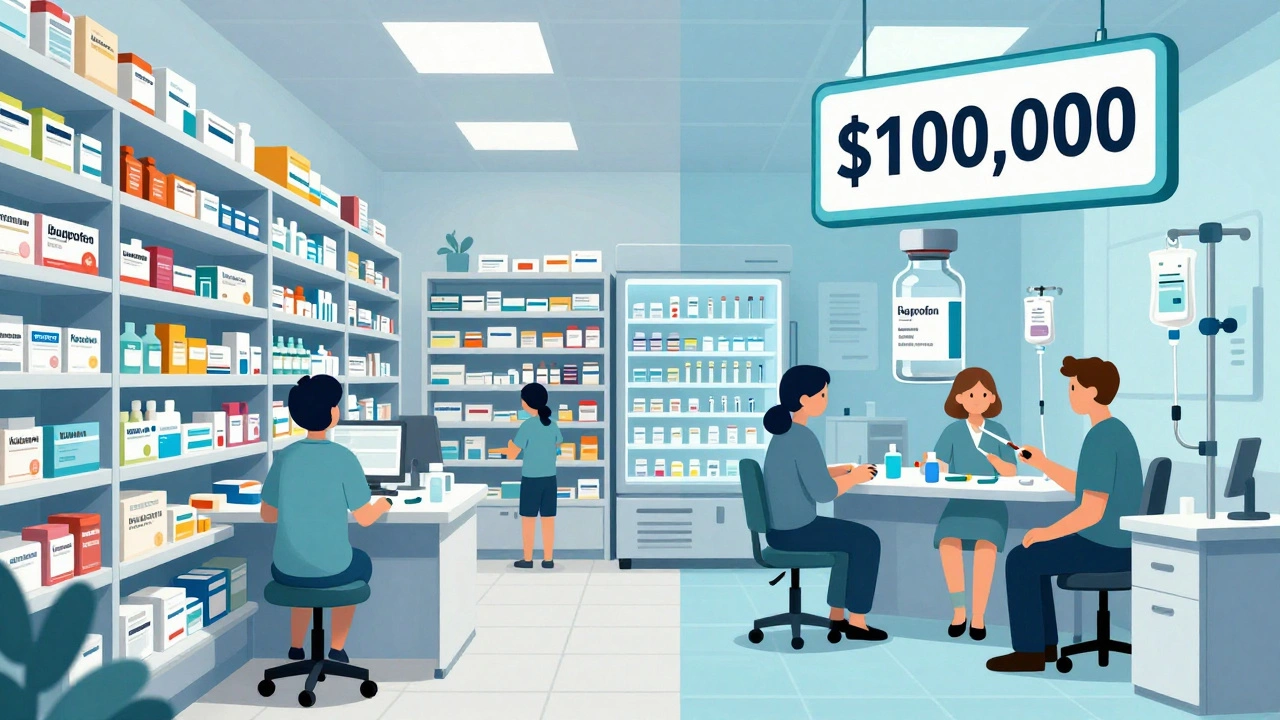
Specialty pharmacies handle high-cost, complex drugs for chronic conditions. Generics and biosimilars offer major cost savings, but bring unique challenges in patient safety, PBM policies, and pharmacy workflows. Here’s what pharmacists need to know.