
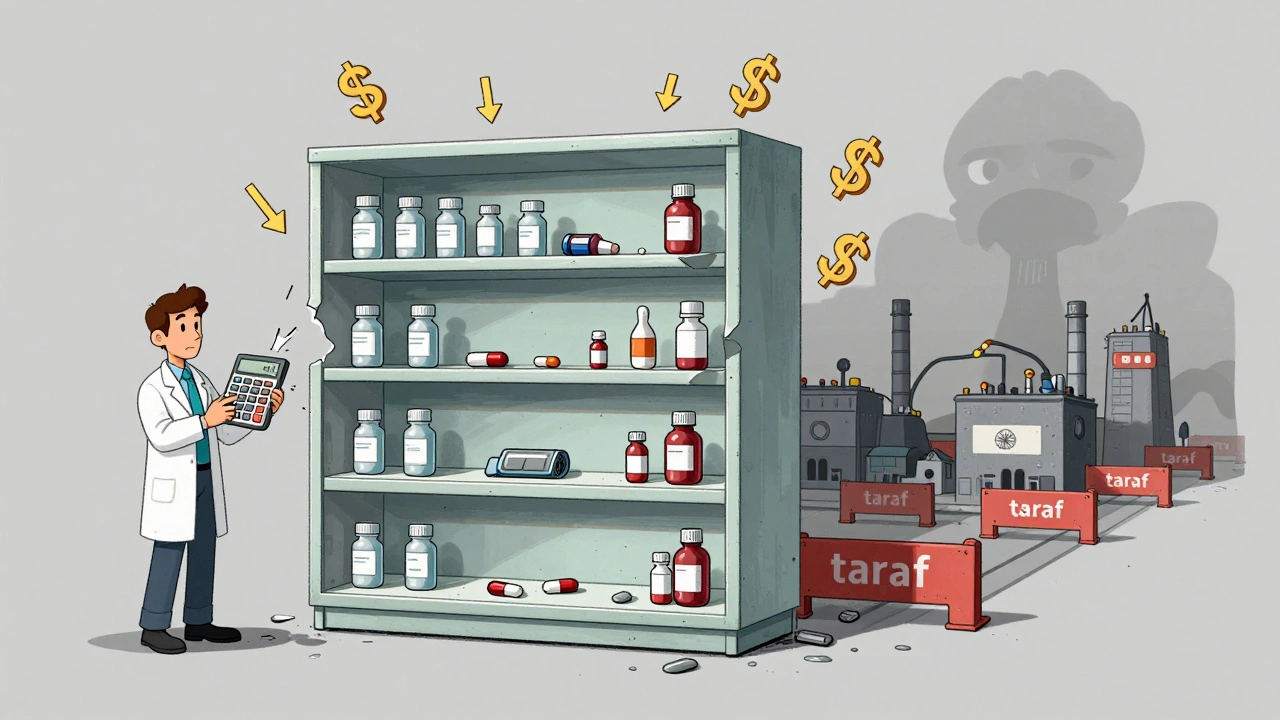
Pricing pressure and rising manufacturing costs are causing widespread drug shortages as generic drug makers can't profitably produce essential medicines. Here's how the system broke - and what needs to change.
Drug Shortages: Why Medications Run Out and What You Can Do
When your doctor prescribes a medication and the pharmacy says drug shortages have left them out of stock, it’s not just an inconvenience—it’s a health risk. Drug shortages, the temporary or prolonged lack of essential medications in the supply chain. Also known as medication stockouts, they happen when manufacturers can’t produce enough, raw materials are delayed, or regulatory issues halt production. This isn’t rare. In 2023 alone, over 300 drugs in the U.S. faced shortages, including antibiotics, insulin, and even basic pain relievers. People with chronic conditions—like diabetes, epilepsy, or heart disease—are hit hardest because switching meds isn’t always safe or possible.
Generic drug availability, the supply of non-brand-name medications that make up most prescriptions. Also known as off-patent drugs, it’s the backbone of affordable care. But when generic manufacturers face cost pressures, quality control failures, or single-source raw material dependencies, the whole system wobbles. Europe’s tendering systems, public procurement methods that award drug contracts based on price and quality. Also known as competitive bidding for medications, they help keep prices low—but sometimes at the cost of supplier diversity. When one factory shuts down, and there’s no backup, shortages spread fast. You might see this with drugs like fosfomycin, carbamazepine, or even acetaminophen. The same issue hits anxiety meds, insulin, and antibiotics because many are made in just one or two global facilities.
Pharmacy stockouts, when local pharmacies run out of stock despite orders being placed. Also known as prescription delays, they’re the visible end of a broken chain. It’s not your fault. You’re not being difficult. You’re just caught in a system where profit margins, global logistics, and regulatory checks all collide. Some pharmacies can order from online suppliers like GoodRx or international e-pharmacies, but that’s not always legal or safe. Others may offer alternatives—like switching from one NSAID to another, or trying acamprosate instead of Antabuse—but only if your provider is informed and flexible.
What’s in this collection? Real stories and practical fixes. You’ll find guides on how to spot when a drug is in short supply before your prescription hits the counter. You’ll learn how to talk to your doctor about alternatives that work just as well—like using naltrexone instead of disulfiram, or choosing a different ED pill if Kamagra Polo isn’t available. You’ll see how to check for safe online sources without risking counterfeit meds. And you’ll understand why some drugs, like fosfomycin or ezetimibe, are less likely to run out because they’re cheaper to make and have multiple suppliers.
This isn’t about panic. It’s about preparation. If you take a daily pill for your health, you deserve to know what happens when it disappears—and what to do next. The posts below give you the tools to stay ahead, ask the right questions, and keep your treatment on track—even when the system lets you down.
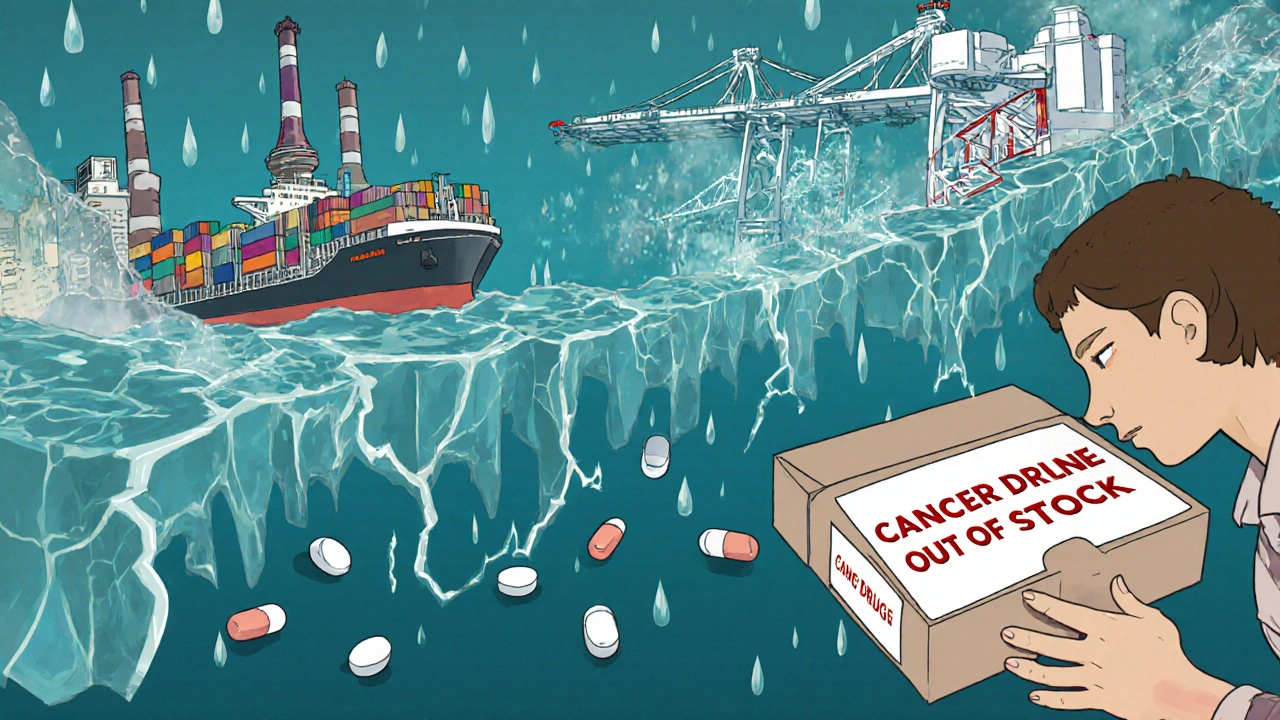
Dependence on foreign manufacturing for drugs is causing widespread shortages in 2025. With 80% of active ingredients coming from China and India, disruptions in one country can halt global supply. Here’s how multi-shoring and local production are helping.