
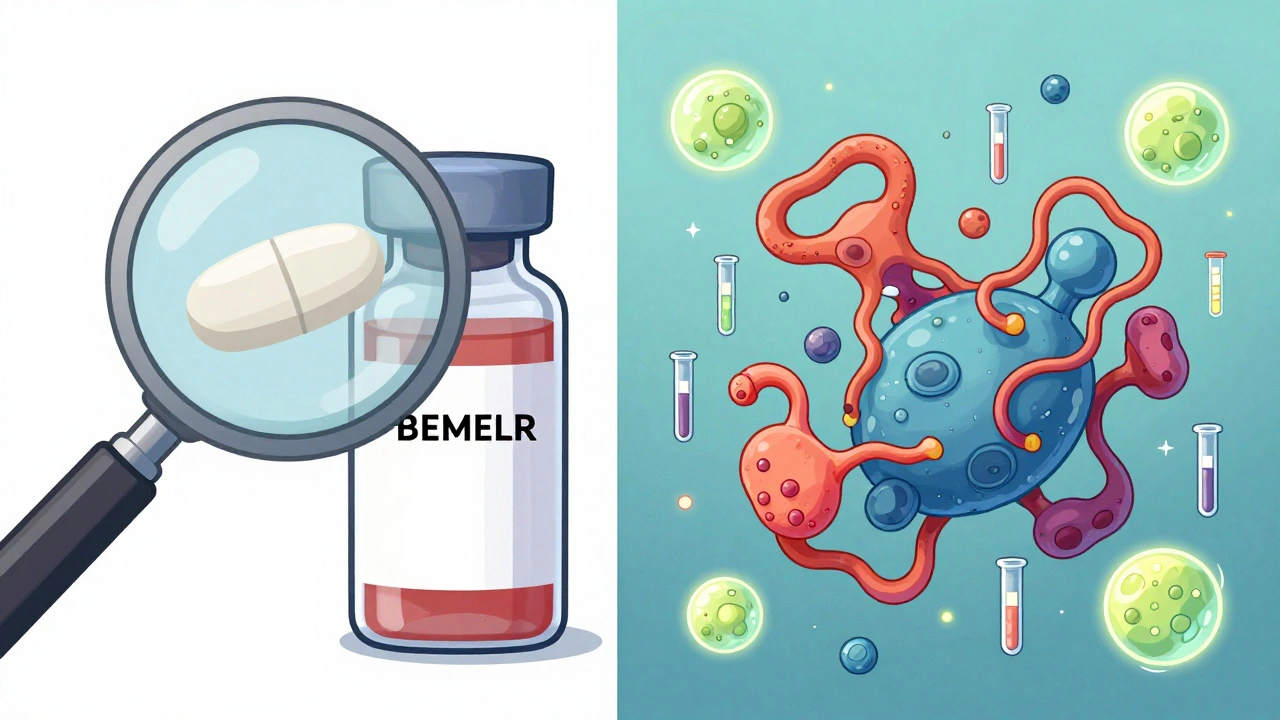
Biosimilars and generics both lower drug costs, but they’re not the same. Biosimilars are complex biologic copies with different approval rules, safety considerations, and cost savings than simple generic chemicals.
Biosimilars: What They Are, How They Compare to Brand Drugs, and Why They Matter
When you hear biosimilars, highly similar versions of complex biologic medications that are not exact copies but proven to work the same way. Also known as biologic generics, they are designed to match the original biologic drug in safety, purity, and potency—without the same price tag. Unlike regular generics, which are simple chemical copies, biosimilars are made from living cells, making them far more complex to produce. That’s why they’re not called generics—they’re biosimilars, and they’re reshaping how we treat chronic conditions like rheumatoid arthritis, cancer, and diabetes.
Biologic drugs, the originals these biosimilars copy, are expensive because they require living organisms to manufacture. A single course of treatment can cost tens of thousands of dollars. Biosimilars enter the market after the original patent expires, and because they don’t need to repeat every single clinical trial, they’re significantly cheaper—often 20% to 40% less. But they’re not shortcuts. The FDA and EMA require rigorous testing to prove they work just as well and carry the same risks. This isn’t guesswork; it’s science with strict standards. If your doctor suggests switching from a brand-name biologic to a biosimilar, it’s not because they’re cutting corners—it’s because the evidence says it’s safe and effective.
Related entities like drug substitution, the practice of replacing a prescribed brand-name drug with a chemically or biologically similar alternative and insurance formularies, lists of covered drugs that often favor lower-cost options like biosimilars are directly tied to how biosimilars get into your hands. Many insurance plans now push biosimilars first because they save money—money that can be redirected to other treatments or lower your out-of-pocket costs. But not all substitutions happen automatically. Some states require your doctor’s approval before switching, and some patients worry about changing something that’s working. Those concerns are valid, but studies show most people experience no difference in effectiveness or side effects after switching.
And it’s not just about price. Biosimilars increase access. In countries where they’re widely used, more patients get treated. In the U.S., they’re helping reduce the burden on healthcare systems struggling with soaring drug costs. You’ll see them mentioned in posts about insurance formularies, drug substitution, and even counterfeit generics—because when prices drop, so does the risk of fake drugs creeping in. But unlike fake meds, biosimilars are regulated, tested, and tracked. They’re not a compromise—they’re a smarter choice.
What you’ll find below are real-world stories and facts about how biosimilars fit into the bigger picture of medication safety, cost, and access. From how providers decide when to switch you, to how formularies control what you pay, to why some patients still hesitate—this collection cuts through the noise. No hype. No jargon. Just what you need to know to understand your options and ask the right questions.
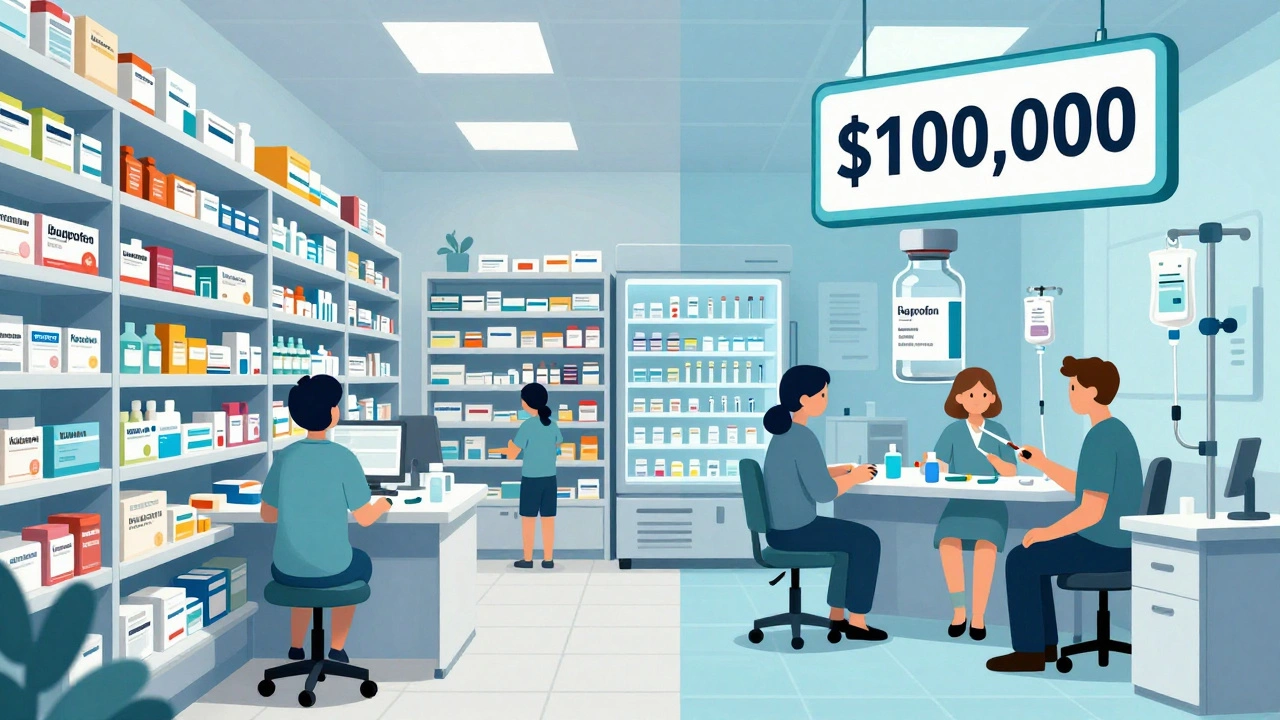
Specialty pharmacies handle high-cost, complex drugs for chronic conditions. Generics and biosimilars offer major cost savings, but bring unique challenges in patient safety, PBM policies, and pharmacy workflows. Here’s what pharmacists need to know.