
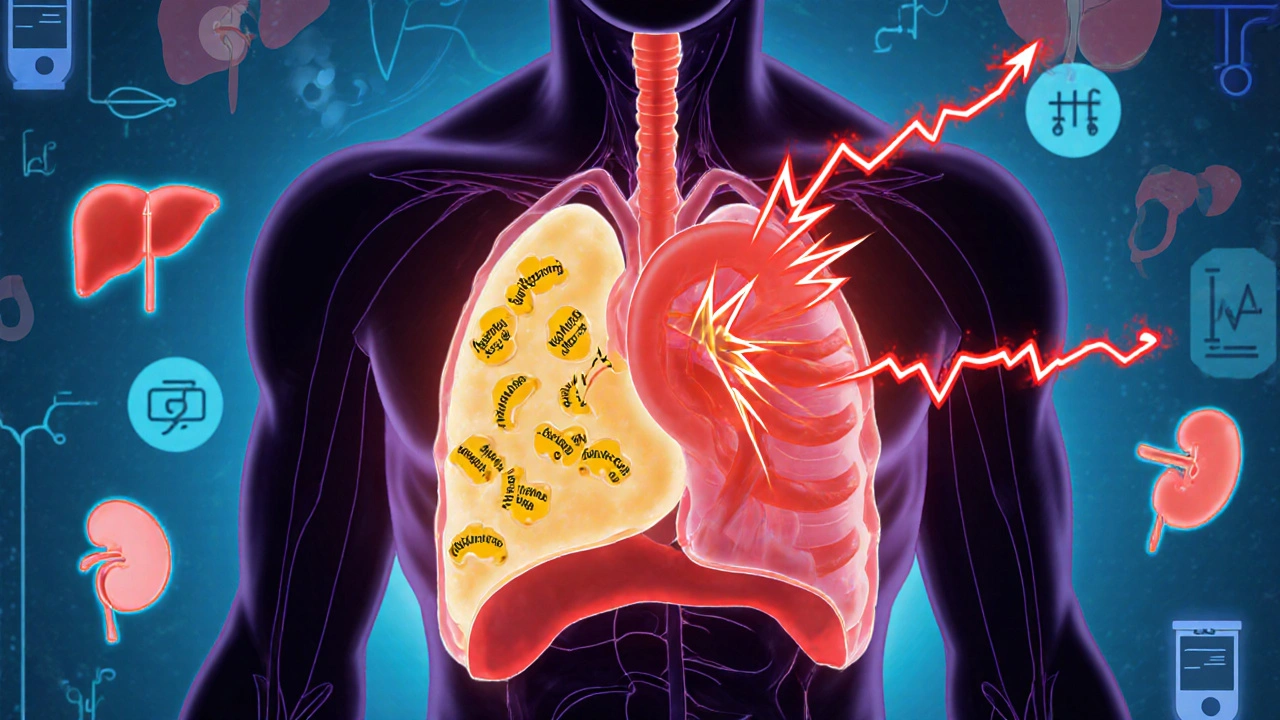
Therapeutic drug monitoring for tricyclic antidepressants prevents deadly toxicity by tracking blood levels and ECG changes. Learn why even prescribed doses can be dangerous and how monitoring saves lives.
TDM: Therapeutic Drug Monitoring Explained with Real-World Examples
When you take a medication, your body doesn’t always handle it the same way as someone else. That’s where Therapeutic Drug Monitoring, the process of measuring drug levels in your blood to ensure they’re in the safe and effective range. Also known as TDM, it’s not just for hospital patients—it’s a daily tool for managing chronic conditions safely. Think of it like checking your car’s oil level: too little and the engine fails; too much and you risk damage. With drugs, the line between healing and harm can be razor-thin.
TDM is especially critical for drugs with narrow therapeutic windows—medications where the dose that helps is almost the same as the dose that hurts. Antibiotics, like vancomycin or gentamicin, require precise blood levels to kill infection without damaging kidneys. Antidepressants, including SSRIs and tricyclics, often need TDM when patients don’t respond or have side effects like dizziness or heart rhythm changes. Even heart medications, such as digoxin or lidocaine, rely on TDM because small changes in blood concentration can trigger serious problems. These aren’t theoretical concerns. Real patients have ended up in the ER because their drug levels weren’t checked.
Why isn’t TDM done for every drug? Because most medications have wide safety margins—you can miss a dose or take an extra pill and nothing bad happens. But for the ones that do need monitoring, skipping TDM is like driving blindfolded. Factors like liver disease, kidney function, age, or even what you eat can change how fast your body clears a drug. One person might need 250 mg of a drug to stay in range, while another needs 750 mg. TDM finds that sweet spot. It’s not magic—it’s science, repeated over time, tailored to you.
You’ll find posts here that dig into how TDM connects to real-life issues: why drug interactions mess with blood levels, how liver disease cuts drug clearance by half, why insurance formularies sometimes block necessary monitoring, and how counterfeit meds can make TDM useless because the drug isn’t even there. You’ll also see how opioid rotation, statin side effects, and long-acting injectables all tie back to the same core idea: knowing exactly what’s in your bloodstream saves lives. This isn’t just for doctors or pharmacists. If you’re on a drug that’s been tricky to get right, TDM might be the missing piece.