
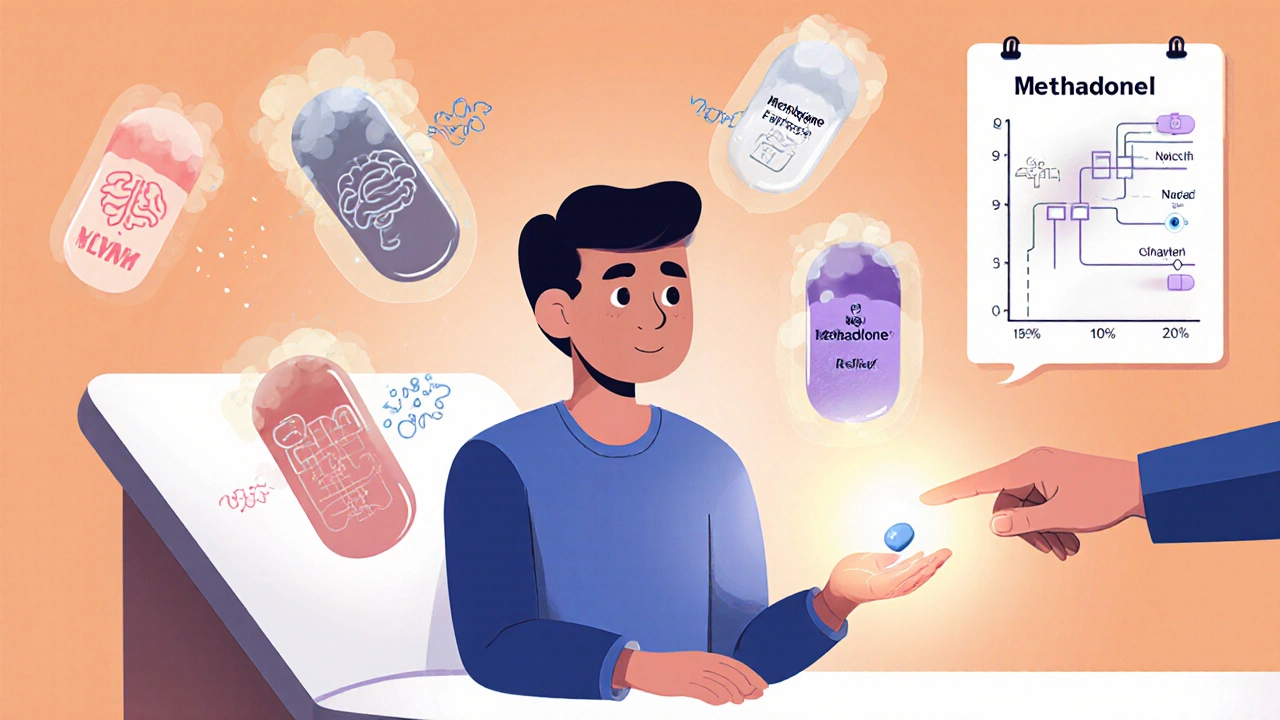
Opioid rotation means switching from one opioid to another to reduce side effects like nausea, drowsiness, or constipation while maintaining pain control. It's a proven strategy when high doses aren't working safely.
Switch Opioids: Risks, Alternatives, and Safe Transition Strategies
When you switch opioids, the process of changing from one opioid medication to another, often due to tolerance, side effects, or safety concerns. Also known as opioid rotation, it's not just swapping one pill for another—it's a delicate balancing act that affects your nervous system, liver, and overall safety. Many people assume switching opioids is a simple fix when pain isn’t controlled or side effects get worse. But the truth? Even small changes can trigger withdrawal, overdose, or dangerous drug interactions. A 2023 study in the Journal of Pain Research found that nearly 40% of patients who switched opioids without close monitoring experienced moderate to severe withdrawal symptoms within 48 hours. That’s not a side effect—it’s a red flag.
Why does this happen? Your body builds tolerance differently to each opioid. Oxycodone doesn’t act the same as morphine or fentanyl, even if they’re both classified as opioids. When you switch, your brain’s opioid receptors don’t instantly adjust. That’s why doctors use equianalgesic dosing, a calculated method to match pain relief between different opioids based on potency. But even with those charts, mistakes happen. One wrong decimal point can mean the difference between relief and respiratory failure. And if you’re also taking benzodiazepines, sleep aids, or even some antidepressants, the risk jumps. The same goes for people with liver disease—your body can’t clear the new drug fast enough, leading to dangerous buildup. That’s why therapeutic drug monitoring, tracking blood levels to avoid toxicity is critical during a switch, especially if you’ve been on high doses for a while.
It’s not just about the drugs. It’s about your whole system. If you’re switching because of addiction, not pain, you need a different plan. Medications like buprenorphine or naltrexone aren’t just alternatives—they’re tools for recovery. But you can’t jump from oxycodone to buprenorphine without tapering. The timing matters. The dose matters. The support matters. And if you’re doing this alone, you’re playing Russian roulette with your health. That’s why the posts below cover everything from how to recognize overdose signs in yourself or a loved one, to why long-acting injectables are changing how we manage chronic pain, and how drug interactions can turn a simple switch into a life-threatening event. You’ll find real guidance on what to ask your doctor, how to spot fake meds, and what to do if your current pain treatment isn’t working. This isn’t theoretical. These are the exact issues people face every day when they try to switch opioids—and the steps that actually keep them safe.