
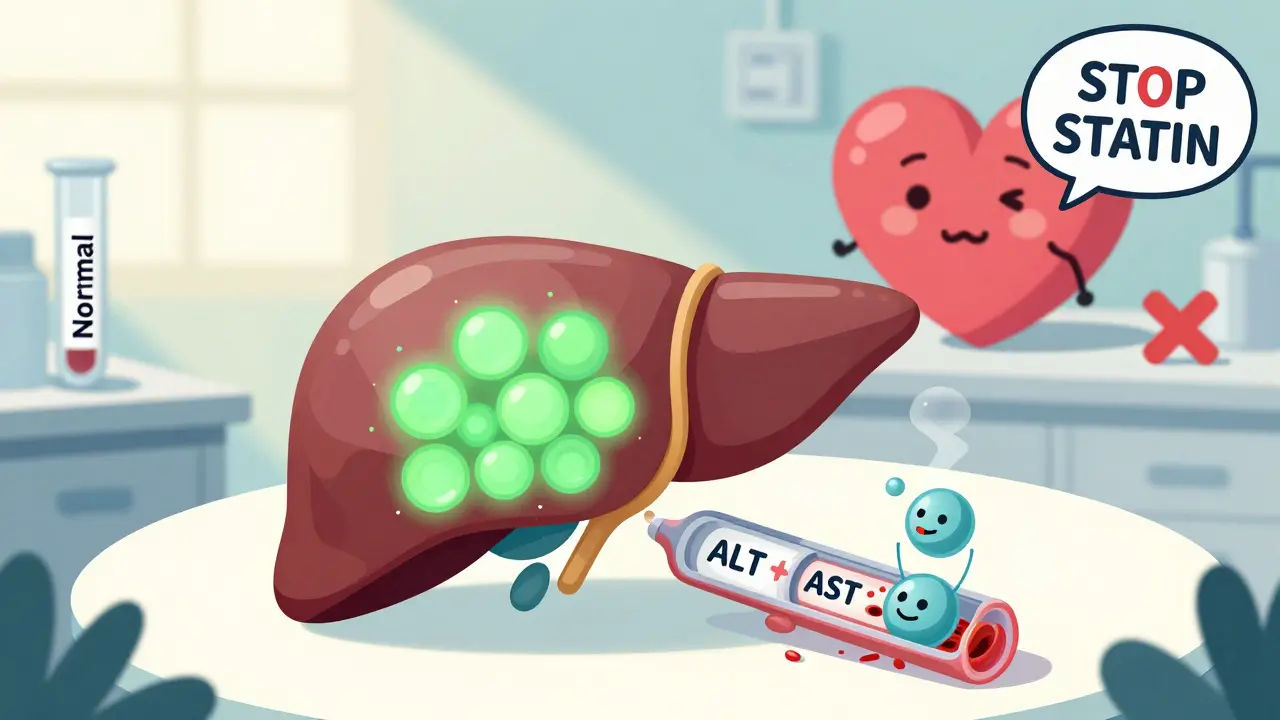
Statin-related liver enzyme elevations are common but rarely dangerous. Learn why routine testing is outdated, which statins are safest, and why stopping your medication over a mild lab result could put your heart at risk.
Statin Side Effects: What You Need to Know Before Taking Cholesterol Drugs
When you take statins, a class of prescription drugs used to lower LDL cholesterol and reduce heart attack risk. Also known as HMG-CoA reductase inhibitors, they’re among the most prescribed medications in the world—but they’re not harmless. Millions rely on them to protect their hearts, but too many people ignore the warning signs because they assume side effects are rare or minor. The truth? Statin side effects are common enough that nearly 1 in 5 people stop taking them within a year—not because the drug isn’t working, but because the discomfort is real.
One of the most talked-about issues is muscle pain, affecting up to 10% of users, ranging from mild soreness to debilitating weakness. It’s not just "feeling tired"—it’s actual damage to muscle tissue, sometimes leading to a rare but dangerous condition called rhabdomyolysis. Then there’s liver damage, a risk flagged on statin labels, though serious cases are uncommon and usually caught early with routine blood tests. Your liver processes these drugs, so elevated enzymes don’t always mean trouble—but they do mean you need to pay attention. And here’s something rarely discussed: diabetes risk, statins slightly increase the chance of developing type 2 diabetes, especially in people already at risk due to weight or prediabetes. That doesn’t mean avoid them—it means understand your personal trade-offs.
These aren’t random side effects. They’re tied to how statins work—blocking cholesterol production in the liver, which also affects other pathways in your body. That’s why some people feel fine, while others can’t even climb stairs. The key isn’t to scare you off statins, but to make sure you’re not silently suffering. If you’re on one and feel off, it’s not "just aging." It might be your medication. Talk to your doctor about dosage, timing, or alternatives like ezetimibe or PCSK9 inhibitors. The posts below dig into real cases, lab results, and what actually happens when people stop—or switch—statins. You’ll find what works, what doesn’t, and how to spot trouble before it becomes serious.
Statins can cause temporary memory issues in rare cases, but most evidence shows they protect against dementia. Learn how to tell if your memory problems are linked to statins-and what to do next.