
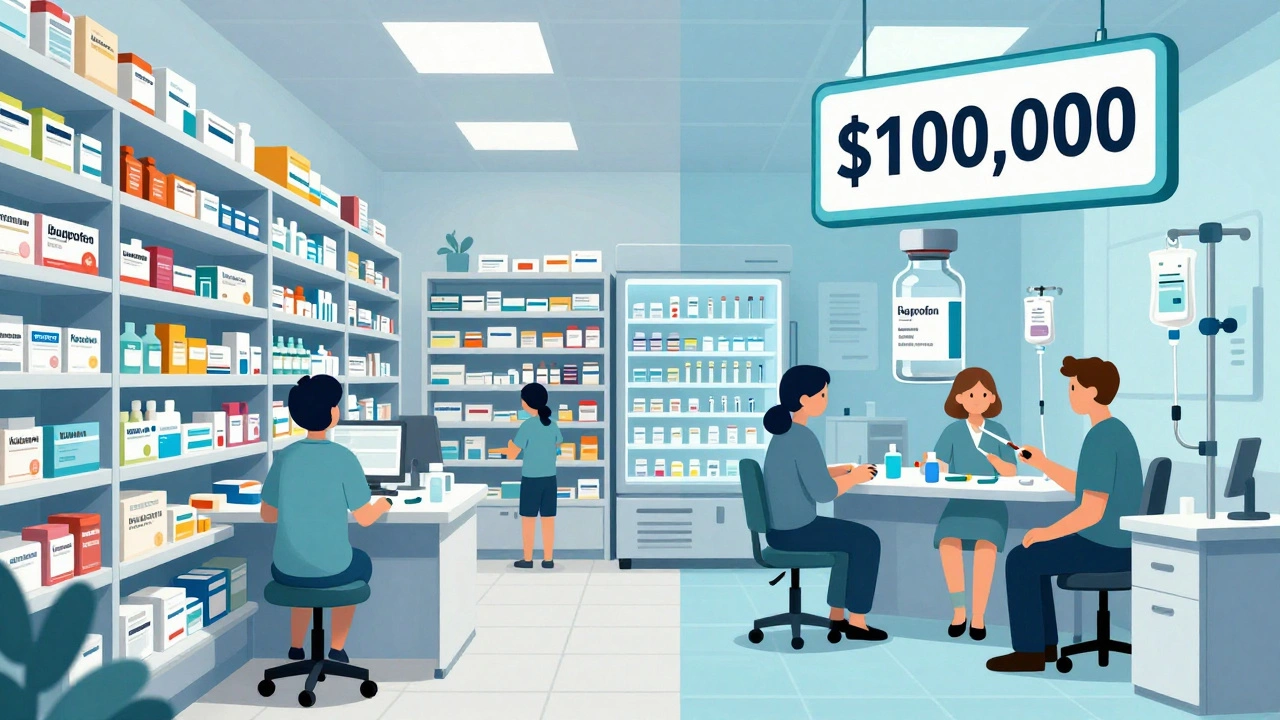
Specialty pharmacies handle high-cost, complex drugs for chronic conditions. Generics and biosimilars offer major cost savings, but bring unique challenges in patient safety, PBM policies, and pharmacy workflows. Here’s what pharmacists need to know.
Specialty Pharmacy: What It Is and How It Changes Your Medication Access
When you need a drug that’s too complex, too expensive, or too risky for a regular pharmacy, you’re likely dealing with a specialty pharmacy, a specialized service that manages high-cost, complex medications requiring close monitoring and patient support. Also known as high-touch pharmacy, it’s not just a place to pick up pills—it’s a system designed for treatments that need expert handling, like biologics, injectables, and drugs for rare or chronic conditions. Unlike your local drugstore, specialty pharmacies work directly with doctors, insurers, and patients to make sure you get the right drug, at the right dose, with the right support.
These pharmacies handle biologics, complex drugs made from living cells, like those used for rheumatoid arthritis, cancer, or multiple sclerosis, which can’t be copied like regular pills. That’s why biosimilars, close but not identical copies of biologics, approved under stricter rules than generics are so important—they lower costs without sacrificing safety. You won’t find these drugs on a shelf. They often need refrigeration, special delivery, and ongoing monitoring for side effects. That’s where specialty pharmacies step in: they track your response, manage insurance prior authorizations, and even send nurses to train you on injections.
Insurance formularies and drug substitution rules play a big role here too. If your plan doesn’t cover your prescribed biologic, a specialty pharmacy might suggest a biosimilar or help you file an exception. They’re the ones navigating the messy world of insurance formularies, lists that determine which drugs your plan pays for and at what cost, so you don’t have to. And because these drugs can cost tens of thousands a year, they also help you find patient assistance programs, coupons, or payment plans you didn’t know existed.
Specialty pharmacy isn’t just for cancer or autoimmune diseases. It’s also behind the scenes for drugs that need therapeutic drug monitoring, regular blood tests to ensure the dose is safe and effective—like tricyclic antidepressants or certain antipsychotics. If you’re on a long-acting injectable, the pharmacy coordinates the schedule, reminds you of appointments, and checks in on side effects. Even opioid rotation or liver-dose adjustments? They’re the ones making sure your new prescription won’t clash with your existing meds or your health status.
There’s no one-size-fits-all here. Your treatment might be affected by drug shortages tied to global supply chains, or by counterfeit generics slipping into the system. That’s why specialty pharmacies don’t just dispense—they verify sources, track expiration dates, and audit every batch. They’re your safety net when the system gets complicated.
Below, you’ll find real, practical guides on how these systems work—from understanding biosimilars versus generics, to fighting insurance denials, to spotting dangerous interactions with your supplements. These aren’t theory pieces. They’re the tools you need to make sense of your care when you’re on a high-cost, high-stakes medication. Whether you’re a patient, caregiver, or just trying to understand why your prescription feels different, this collection cuts through the noise and shows you what actually matters.