
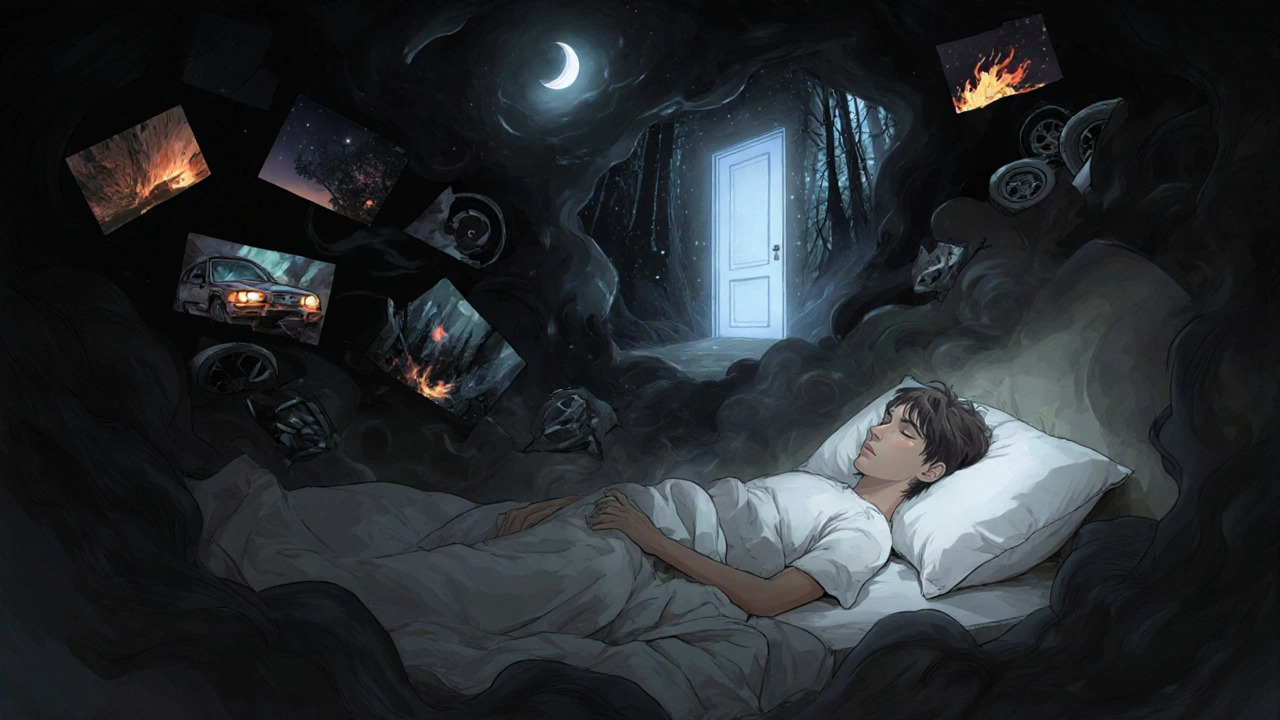
Imagery Rehearsal Therapy is a proven, non-medication method to stop PTSD nightmares. Learn how rewriting your dreams can improve sleep, reduce trauma symptoms, and restore restful nights.
Sleep Disorders and PTSD: How Trauma Disrupts Sleep and What Medications Can Help
When someone lives with PTSD, a mental health condition triggered by experiencing or witnessing a traumatic event. Also known as post-traumatic stress, it doesn’t just haunt memories—it hijacks sleep. Nightmares, night sweats, hypervigilance, and sudden awakenings aren’t just side effects—they’re core symptoms. Up to 90% of people with PTSD struggle with chronic sleep problems, and for many, poor sleep makes the trauma worse, creating a cycle that’s hard to break.
Sleep disorders, a group of conditions that prevent restful, restorative sleep. Also known as insomnia, parasomnias, and sleep maintenance issues, are deeply tied to PTSD. Unlike regular insomnia, which might come from stress or caffeine, PTSD-related sleep issues often involve nightmares that replay the trauma, fragmented sleep from constant alertness, and even sleepwalking or screaming during episodes. These aren’t just ‘bad nights’—they’re neurological responses to unresolved fear. And when sleep is broken for months or years, it doesn’t just leave you tired. It worsens anxiety, dulls decision-making, and can even make other medications less effective. That’s why treating PTSD without fixing sleep is like treating a broken leg with painkillers alone.
Some people turn to benzodiazepines or sleep aids, but those often make PTSD symptoms worse over time. Others try melatonin or cognitive behavioral therapy, which can help—but not always enough. What’s missing is a clear understanding of how trauma changes brain chemistry, how certain antidepressants like prazosin reduce nightmares, and why avoiding alcohol or screen time before bed isn’t just advice—it’s medical necessity. You need to know what actually works, what’s risky, and how to spot when a sleep problem is more than just stress.
Below, you’ll find real, practical guides on how PTSD affects drug metabolism, why some psychiatric meds interfere with sleep cycles, and what alternatives exist when standard treatments fail. These aren’t theory pieces—they’re based on clinical data, patient outcomes, and the kind of details you won’t get from a quick Google search. Whether you’re managing your own sleep, helping a loved one, or just trying to understand why rest feels impossible after trauma, this collection gives you the facts you need to take control.