
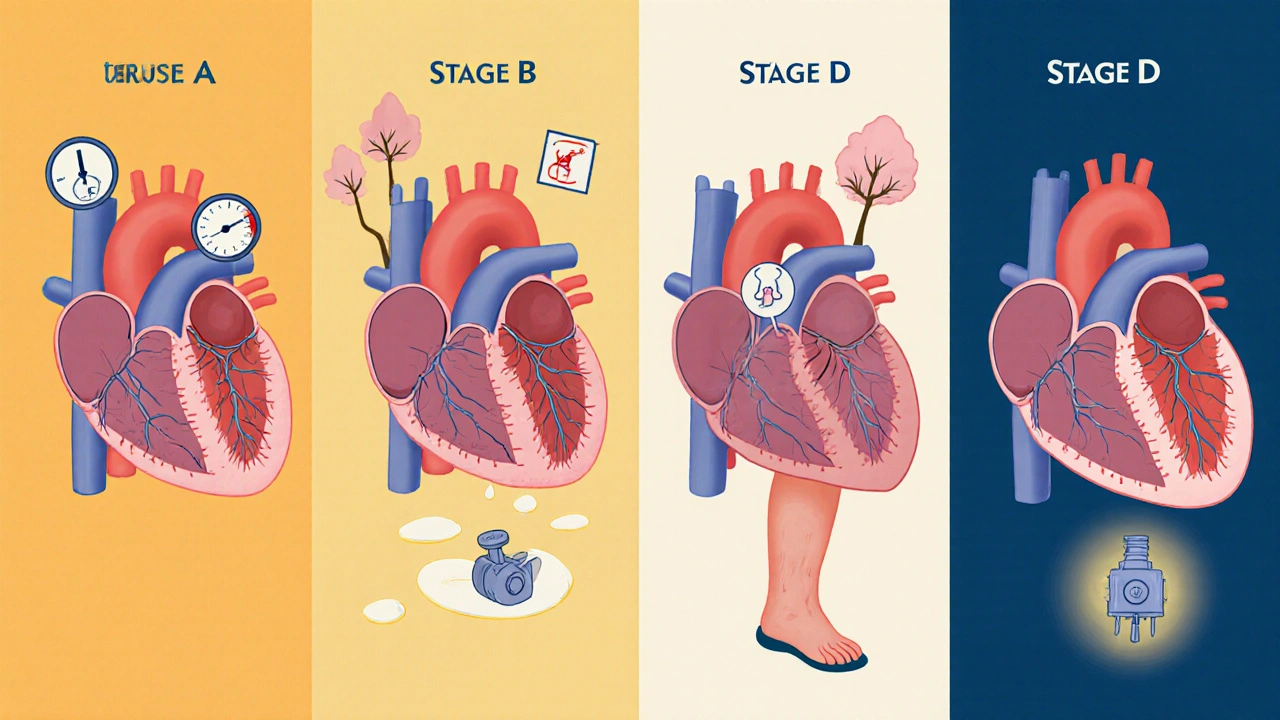
Heart failure management has transformed with new guidelines and medications. Learn how quadruple therapy, SGLT2 inhibitors, and monitoring devices help patients live longer and better-no matter the stage or type of heart failure.
SGLT2 Inhibitors: How These Diabetes Drugs Work and What You Need to Know
When your body can’t manage blood sugar well, SGLT2 inhibitors, a class of oral diabetes medications that block glucose reabsorption in the kidneys. Also known as gliflozins, they work by making your kidneys dump extra sugar into your urine instead of letting it back into your bloodstream. Unlike insulin or pills that boost insulin, these drugs don’t rely on your pancreas at all. That’s why they’re often used when other treatments stop working—or when you need to lose weight and protect your heart at the same time.
Empagliflozin, a specific SGLT2 inhibitor proven to reduce heart failure hospitalizations in people with type 2 diabetes, is one of the most studied. So are dapagliflozin, another SGLT2 inhibitor linked to lower risk of kidney disease progression, and canagliflozin, a drug shown to cut cardiovascular events in high-risk patients. These aren’t just sugar-lowering pills—they’re heart and kidney protectors. Many people on these drugs lose 5 to 10 pounds over a few months, not from dieting, but because their bodies are literally peeing out calories.
But they’re not magic. Side effects like yeast infections, dehydration, and rare but serious urinary tract infections can happen. Some people get ketoacidosis—even if their blood sugar looks normal. That’s why you need to know the warning signs: nausea, stomach pain, tiredness, and trouble breathing. And if you’re older, on diuretics, or have kidney issues, your doctor might adjust your dose or skip this drug entirely.
What you won’t find in most doctor’s offices is how these drugs change daily life. People report fewer spikes after meals, less craving for sweets, and more energy—not because they’re on a new diet, but because their body is finally letting go of what it can’t use. That’s the real shift. These drugs don’t just treat diabetes. They change how your body handles sugar, fat, and fluid. And that’s why you’ll see them showing up in studies about heart failure, kidney disease, and even weight loss in people without diabetes.
Below, you’ll find real-world stories and practical guides about how SGLT2 inhibitors fit into daily care—what to expect, what to watch for, and how they compare with other treatments. Whether you’re just starting one or wondering if it’s right for you, these posts cut through the noise and give you what matters.