
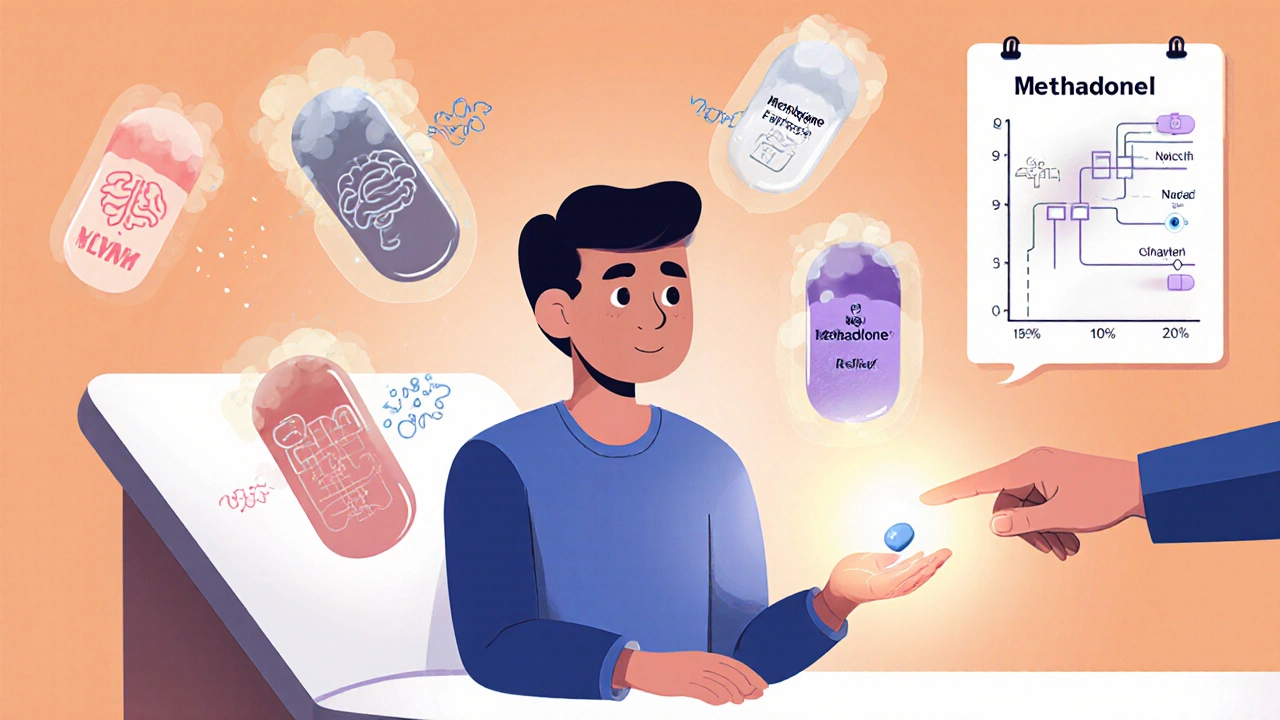
Opioid rotation means switching from one opioid to another to reduce side effects like nausea, drowsiness, or constipation while maintaining pain control. It's a proven strategy when high doses aren't working safely.
Reduce Opioid Side Effects: Practical Ways to Stay Safe and Comfortable
When you're taking opioids for pain, the goal isn't just to numb the discomfort—it's to live better. But reduce opioid side effects is often the bigger challenge. Nausea, constipation, drowsiness, and even breathing issues can make daily life harder than the pain itself. These aren't rare side effects—they happen to most people on long-term opioid therapy. The good news? You don't have to just live with them. Many of these effects can be managed, reduced, or even prevented with simple, proven steps.
One key player in this is constipation, a nearly universal side effect of opioids that slows gut movement and can lead to severe discomfort. Unlike nausea or drowsiness, constipation doesn't fade with time—it often gets worse. That’s why doctors recommend starting stool softeners and fiber right away, not waiting until you're stuck. Another hidden issue is opioid tolerance, when your body adapts to the drug, making it less effective over time and pushing doses higher. This isn't addiction—it's physiology. But higher doses mean stronger side effects. That’s why some patients work with their providers to rotate medications or add non-opioid supports like gabapentin or physical therapy to lower the opioid dose needed.
Then there’s opioid withdrawal, the uncomfortable, sometimes scary set of symptoms that happen when you cut back or stop opioids too fast. It’s not just about cravings—it’s muscle aches, sweating, anxiety, and insomnia. The trick? Don’t quit cold turkey. Gradual tapering, under medical supervision, can make withdrawal manageable. And if you're on long-term opioids, pairing them with non-drug tools like cognitive behavioral therapy or acupuncture can reduce your overall reliance. These aren’t magic fixes, but they’re backed by real data from patients who’ve walked this path.
You’ll find posts here that dig into how liver function affects opioid clearance, why mixing opioids with other meds like benzodiazepines is dangerous, and how to teach family members to recognize overdose signs. There’s also advice on using naloxone, managing sleep issues from opioids, and how to talk to your doctor about cutting back without feeling judged. These aren’t theoretical guides—they’re based on what works for real people trying to get through treatment without losing their quality of life.
Whether you're just starting opioids or have been on them for years, you’re not alone in wanting to feel better—not just less pain, but more alive. The path to reducing side effects isn’t about quitting or suffering through it. It’s about smarter use, better support, and knowing what tools are actually out there. Below, you’ll find detailed, no-fluff advice on exactly how to do that.