
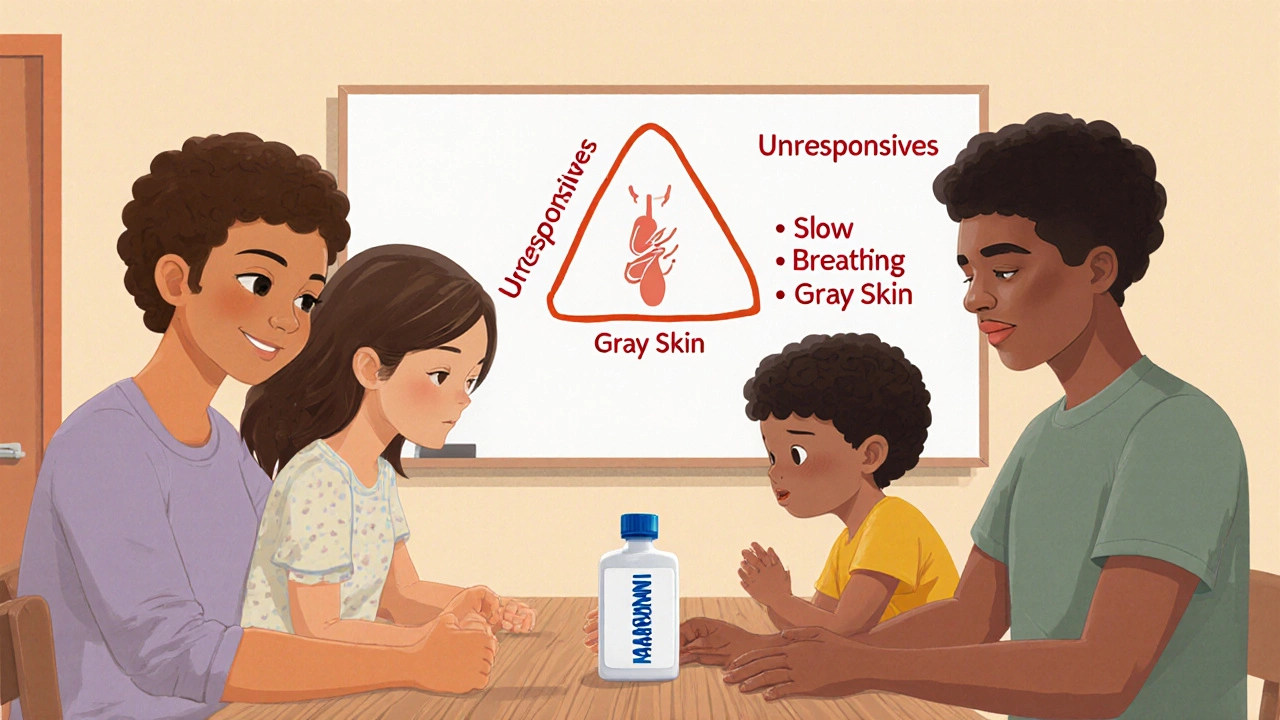
Learn how to teach your family to recognize overdose signs like unresponsiveness, slow breathing, and skin color changes. Includes step-by-step training methods, naloxone use, and real-life survival tips.
Recognize Overdose: Signs, Risks, and What to Do Next
When someone is experiencing a drug overdose, a dangerous reaction to taking too much of a substance, whether prescription, illegal, or over-the-counter. Also known as medication overdose, it can happen quickly and without warning—especially with opioids, benzodiazepines, or alcohol combinations. Many people assume overdoses only happen to others, but they can affect anyone: someone taking a new painkiller, mixing sleep aids with alcohol, or even accidentally doubling a dose of acetaminophen. The key isn’t avoiding risk entirely—it’s knowing how to recognize overdose before it’s too late.
Overdose isn’t always obvious. Slowed or shallow breathing, blue lips or fingertips, extreme drowsiness, unresponsiveness, or gurgling sounds aren’t just side effects—they’re emergency signals. These signs often show up with opioid overdose, a life-threatening condition caused by too much heroin, fentanyl, oxycodone, or even prescription pain pills. But it’s not just opioids. Mixing benzodiazepines like Xanax with alcohol or sleep meds can shut down your breathing just as easily. Even common pain relievers like acetaminophen can cause liver failure if taken in excess, and the symptoms—nausea, sweating, confusion—can be mistaken for the flu. If you’re taking multiple medications or supplements, you’re already in a higher-risk group. That’s why knowing how to spot trouble matters more than ever.
People often wait too long to act. They think the person will "sleep it off" or assume they’re just drunk. But time is critical. Every minute counts when oxygen is dropping. If you see someone unresponsive, not breathing normally, or turning blue, call emergency services right away. If naloxone is available—like for opioid overdoses—use it immediately. It’s not a cure, but it can buy life-saving minutes. And don’t wait for an expert to tell you what to do. Trust your gut. If something feels wrong, it probably is.
The posts below cover real-world cases where people missed the signs—and others who acted fast and saved lives. You’ll find guides on spotting overdose symptoms in different drugs, what to do if you’re caring for someone on long-acting injectables, how acid-reducing meds can hide dangerous interactions, and why mixing anxiety meds with opioids is a silent killer. You’ll also learn how to talk to providers about your full medication list, how counterfeit pills are fueling overdose spikes, and what to keep on hand to protect yourself and your loved ones. This isn’t theory. It’s practical, urgent knowledge you can use today.