
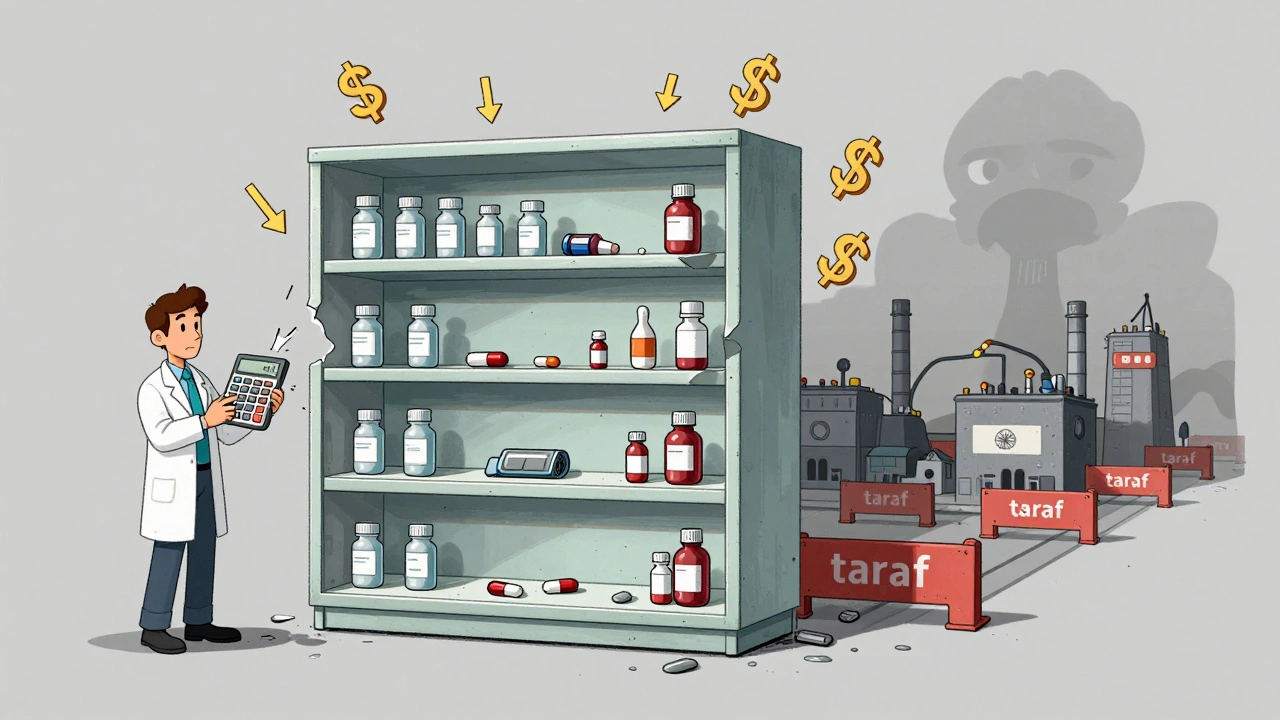
Pricing pressure and rising manufacturing costs are causing widespread drug shortages as generic drug makers can't profitably produce essential medicines. Here's how the system broke - and what needs to change.
Pricing Pressure in Pharmaceuticals: How Drug Costs Shape Your Treatment Options
When you hear pricing pressure, the force that pushes drug manufacturers and insurers to lower costs while maintaining access. Also known as cost containment, it’s what decides whether your prescription costs $5 or $500. This isn’t just a business issue—it’s personal. Every time a pharmacy swaps your brand-name drug for a generic, or your insurer denies coverage unless you try a cheaper option first, that’s pricing pressure in action.
It’s not just about cheap drugs. generic drugs, chemically identical copies of brand-name medications approved after patents expire are the main tool used to fight rising costs. But even generics aren’t immune—when multiple manufacturers enter the market, prices can drop 90%. That’s why you see deals on GoodRx or Beem. Meanwhile, biosimilars, complex copies of biologic drugs like those for cancer or autoimmune diseases are the next wave. They’re harder to make than simple generics, so they save less—but still cut costs by 15-35%. And then there’s the insurance formulary, the list of drugs your plan covers and at what tier. If your drug isn’t on it, or it’s in the highest tier, you pay more. That’s not random—it’s a direct result of pricing pressure.
These forces don’t just affect your wallet. They shape what doctors prescribe, what pharmacists recommend, and even what research gets funded. When a drug’s price drops too low, companies stop making it—leading to shortages. When a biosimilar enters the market, insurers push hard to replace the original, even if your body responds better to the brand. And when tendering systems in Europe force drugmakers to bid against each other, prices fall—but supply chains get stretched thin, which can hit U.S. shelves too. All of this connects to the posts you’ll find here: from how counterfeit generics slip through, to why your insulin costs so much, to how drug substitution rules can leave you with a different pill than you expected.
You’re not just a patient—you’re a participant in this system. Knowing how pricing pressure works helps you ask the right questions: Why is this cheaper? Is this generic safe? Can I switch to a biosimilar? The articles below break down real cases—from insulin to statins to migraine drugs—showing exactly how cost controls touch your daily life. You’ll learn how to spot when a price cut means a quality cut, how to fight formulary denials, and why your pharmacist might hand you a different pill without warning. This isn’t theory. It’s what’s happening to your prescriptions right now.