
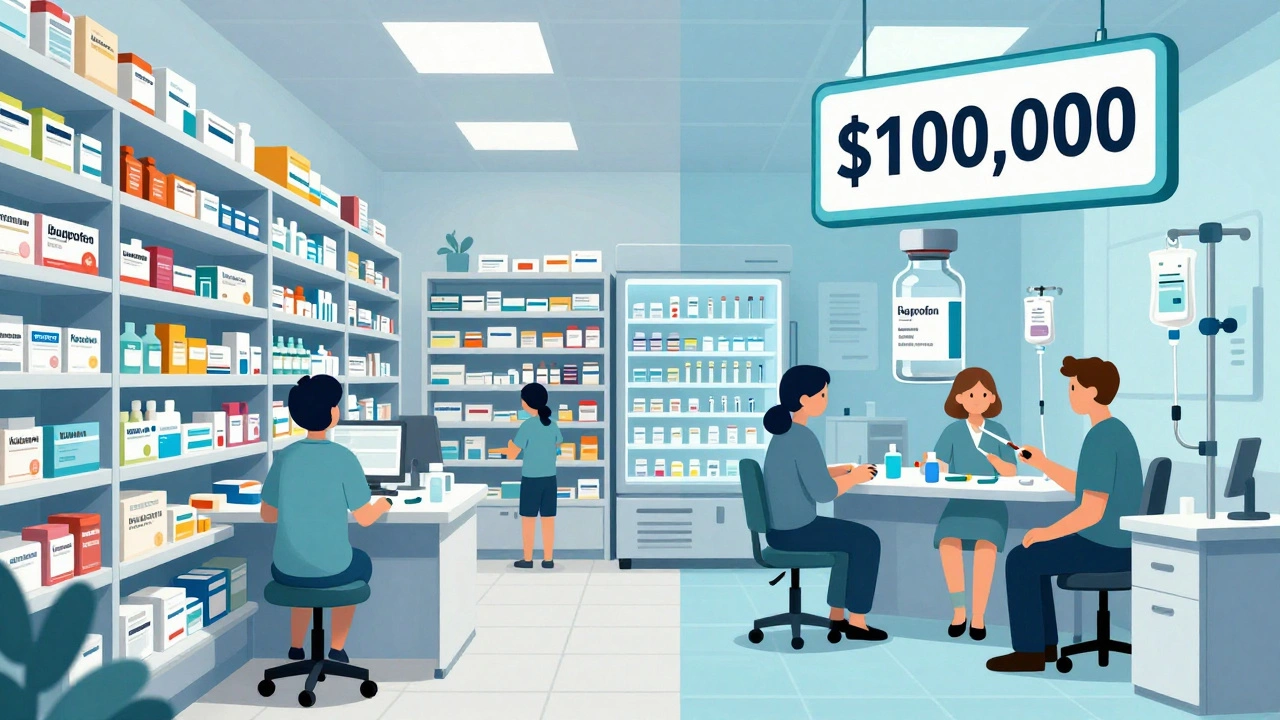
Specialty pharmacies handle high-cost, complex drugs for chronic conditions. Generics and biosimilars offer major cost savings, but bring unique challenges in patient safety, PBM policies, and pharmacy workflows. Here’s what pharmacists need to know.
Pharmacy Practice: What It Really Means and How It Affects Your Medications
When you hear pharmacy practice, the day-to-day work of pharmacists in ensuring safe, effective, and affordable medication use. Also known as clinical pharmacy, it's not just about counting pills—it's about making sure the right drug gets to the right person at the right dose, with no dangerous interactions. This is where science meets real life: a patient with liver disease, a senior on five medications, someone switching from one opioid to another—all of it falls under the umbrella of pharmacy practice.
Behind every prescription is a chain of decisions. therapeutic drug monitoring, tracking blood levels of drugs like tricyclic antidepressants to avoid toxicity is one tool. drug substitution, when a pharmacist swaps a brand-name drug for a cheaper generic or biosimilar is another. And prescription coverage, how insurance plans decide which drugs they’ll pay for and what you’ll owe? That’s part of it too. These aren’t abstract concepts—they directly affect whether your treatment works, costs too much, or even puts you at risk.
Pharmacy practice isn’t done behind a counter. It’s in the hospital room where a nurse checks if a long-acting injectable antipsychotic is safe to give. It’s in the clinic where a pharmacist spots that a statin might be causing brain fog, or that Ginkgo biloba is dangerously mixing with warfarin. It’s in the pharmacy that refuses to fill a counterfeit version of Ozempic because the pill looks off. It’s in the emergency room where family members know how to recognize an overdose because they were trained by a pharmacist’s guide.
This collection of articles dives into the real-world side of pharmacy practice—not the textbook version, but the messy, critical, life-saving decisions that happen every day. You’ll find out why some drugs need blood tests to be safe, how insurance rules can leave you paying hundreds more than expected, and why switching from one opioid to another isn’t just a tweak—it’s a calculated move to keep you alive and comfortable. These aren’t theoretical discussions. They’re based on what’s happening in clinics, pharmacies, and homes right now.
Whether you’re managing a chronic condition, helping a loved one navigate complex meds, or just trying to understand why your prescription costs what it does, this is the practical knowledge you need. No jargon. No fluff. Just clear, actionable insights from the front lines of medication safety and care.