
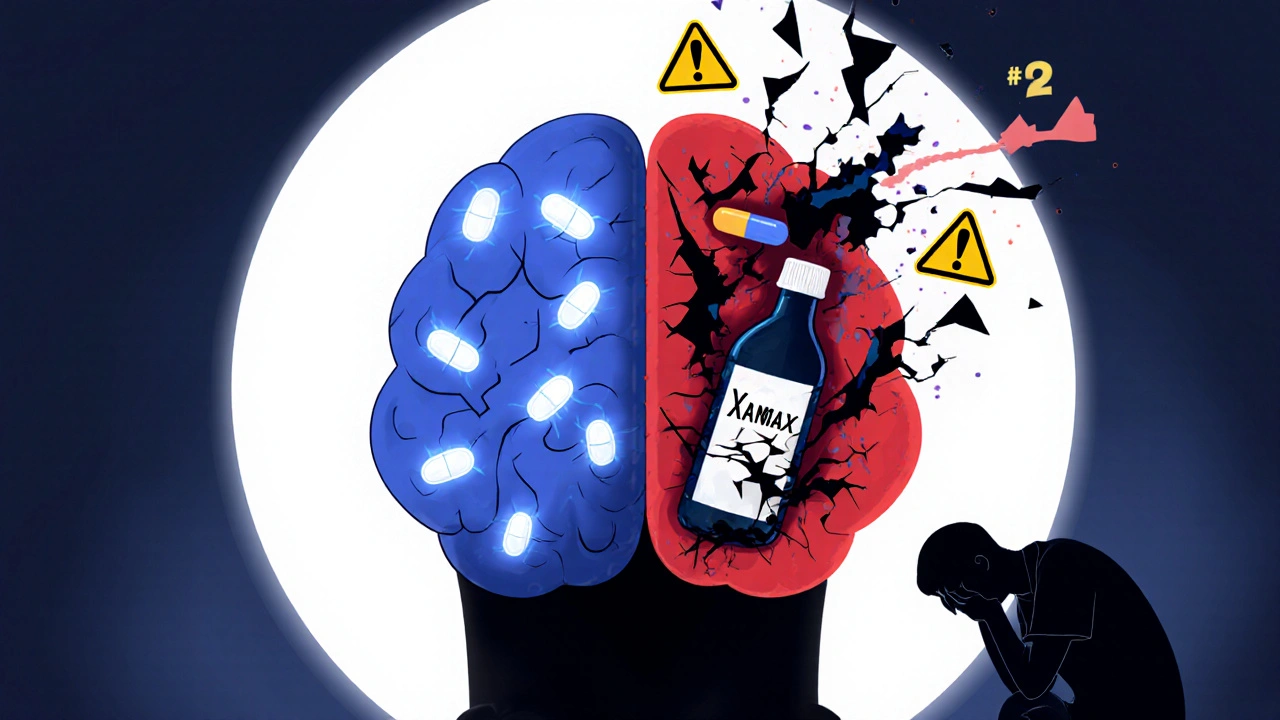
Benzodiazepines like Xanax and Valium offer fast anxiety relief but carry serious risks when mixed with opioids, alcohol, or sleep meds. Learn the dangerous interactions, who's most at risk, and safer alternatives.
Opioid and Benzo Risks: What You Need to Know About Combined Use
When you take opioids, a class of drugs used for pain relief that includes oxycodone, hydrocodone, and fentanyl. Also known as narcotics, they slow down your breathing and brain activity. And when you add benzodiazepines, a group of sedatives like Xanax, Valium, and Klonopin used for anxiety, insomnia, or seizures. Also known as benzos, they do the same thing—only more. Together, they don’t just add up. They multiply. The opioid and benzo risks aren’t just theoretical—they’ve caused thousands of preventable deaths. The CDC found that over 30% of opioid overdose deaths also involved benzodiazepines. This isn’t a rare mistake. It’s a pattern.
Why does this happen? Both types of drugs hit the same part of your brain: the part that controls breathing. Opioids dull pain signals. Benzos calm your nerves. But when they team up, your brain forgets to tell your lungs to keep working. You don’t feel like you’re suffocating. You just fall deeper asleep—and never wake up. It’s silent. Fast. And often, it happens to people who followed their prescriptions exactly. No street drugs. No abuse. Just two legal meds taken as directed. That’s the scary part. Even your doctor might not realize how dangerous the combo is unless you tell them everything you’re taking. That includes sleep aids, muscle relaxers, and even some antihistamines. They all add fuel to the fire.
It’s not just about overdoses. Long-term use of both can rewire your brain. You’ll need higher doses just to feel normal. Withdrawal becomes a nightmare—seizures, panic attacks, hallucinations. And if you’ve been on these drugs for months or years, quitting cold turkey is risky. You need help. Not willpower. A plan. A doctor who understands the science, not just the script. The posts below show real cases: people who mixed these drugs and lived to tell it, others who didn’t. They cover what to ask your provider, how to spot early warning signs, and what alternatives actually work. You’ll find guides on tapering safely, what to do if you’re already on both, and how to talk to loved ones without sounding alarmist. This isn’t fear-mongering. It’s facts. And if you’re reading this, you’re already one step ahead.