
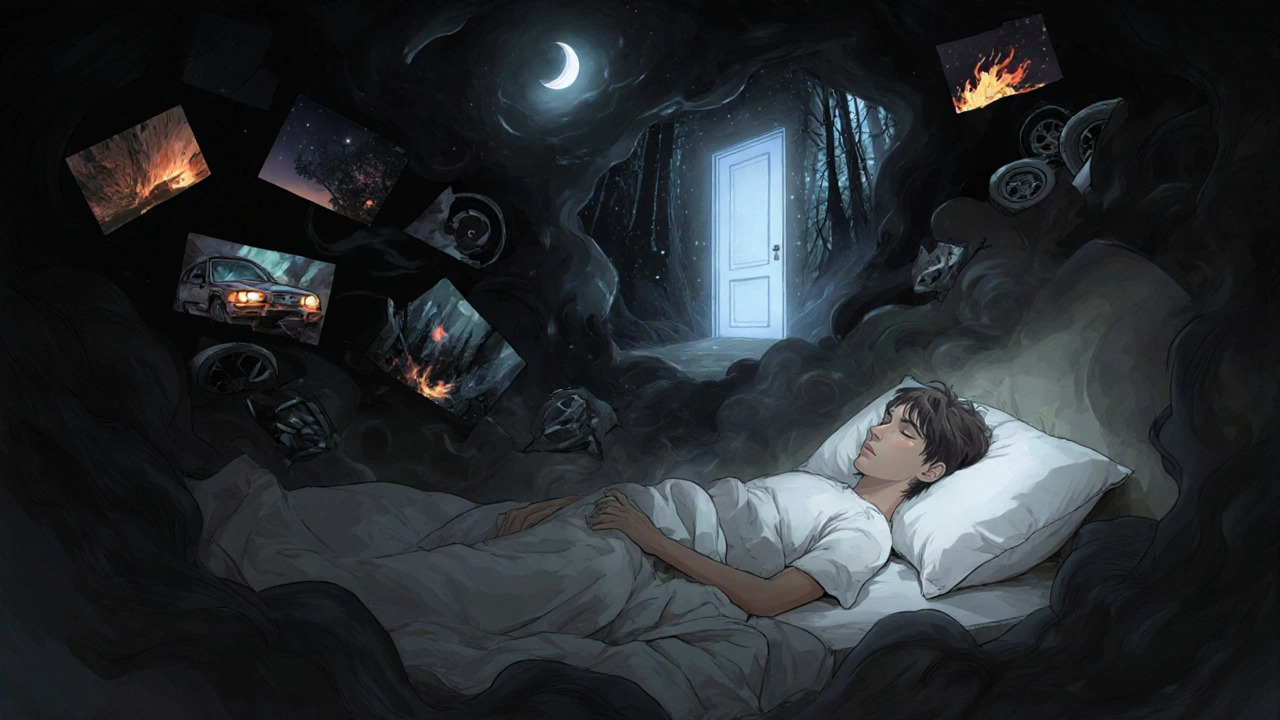
Imagery Rehearsal Therapy is a proven, non-medication method to stop PTSD nightmares. Learn how rewriting your dreams can improve sleep, reduce trauma symptoms, and restore restful nights.
Nightmare Treatment: What Works and What to Avoid
When nightmare treatment, strategies used to reduce or eliminate distressing dreams that disrupt sleep and daily life. Also known as dream anxiety treatment, it often involves more than just sleeping pills—it’s about addressing the root cause, whether that’s trauma, medication, or a sleep disorder. Nightmares aren’t just bad dreams. If they happen often, they can wreck your sleep, make you afraid to fall asleep, and even trigger anxiety during the day. And if you’re dealing with PTSD, depression, or certain medications like SSRIs or beta-blockers, nightmares aren’t rare—they’re common.
One of the most effective nightmare treatment, strategies used to reduce or eliminate distressing dreams that disrupt sleep and daily life. Also known as dream anxiety treatment, it often involves more than just sleeping pills—it’s about addressing the root cause, whether that’s trauma, medication, or a sleep disorder. isn’t a drug at all. It’s cognitive behavioral therapy, a structured, goal-oriented form of talk therapy that helps change negative thought patterns and behaviors. Also known as CBT, it’s been proven in multiple studies to cut nightmare frequency by half or more in people with PTSD. Imagery rehearsal therapy, a type of CBT, asks you to rewrite the ending of your nightmare while awake—then visualize the new version daily. It sounds simple, but it works. For others, prazosin, a blood pressure medication that’s become a first-line treatment for trauma-related nightmares due to its effect on adrenaline in the brain. Also known as Minipress, it’s been shown in clinical trials to reduce nightmare intensity and improve sleep quality in veterans and trauma survivors. is prescribed off-label. It doesn’t sedate you. Instead, it lowers the brain’s stress response at night, making nightmares less vivid and less frequent.
But not all treatments are safe. Some people try alcohol or sleep aids to escape nightmares, but those often make things worse. Alcohol fragments sleep and can increase nightmares after it wears off. Benzodiazepines might help short-term, but they carry dependency risks and don’t fix the root problem. And if your nightmares started after beginning a new medication—like an antidepressant or blood pressure drug—it’s not coincidence. You need to talk to your provider about alternatives, not just add another pill.
What you’ll find below isn’t a list of quick fixes. It’s a collection of real, research-backed approaches that help people regain control of their sleep. From how liver disease changes drug metabolism and affects nightmare-triggering meds, to why certain antidepressants can cause vivid dreams, to how opioid rotation or statin use might unexpectedly influence your night—these posts connect the dots between your body, your meds, and your dreams. No fluff. Just what works, what doesn’t, and what you need to ask your doctor.