
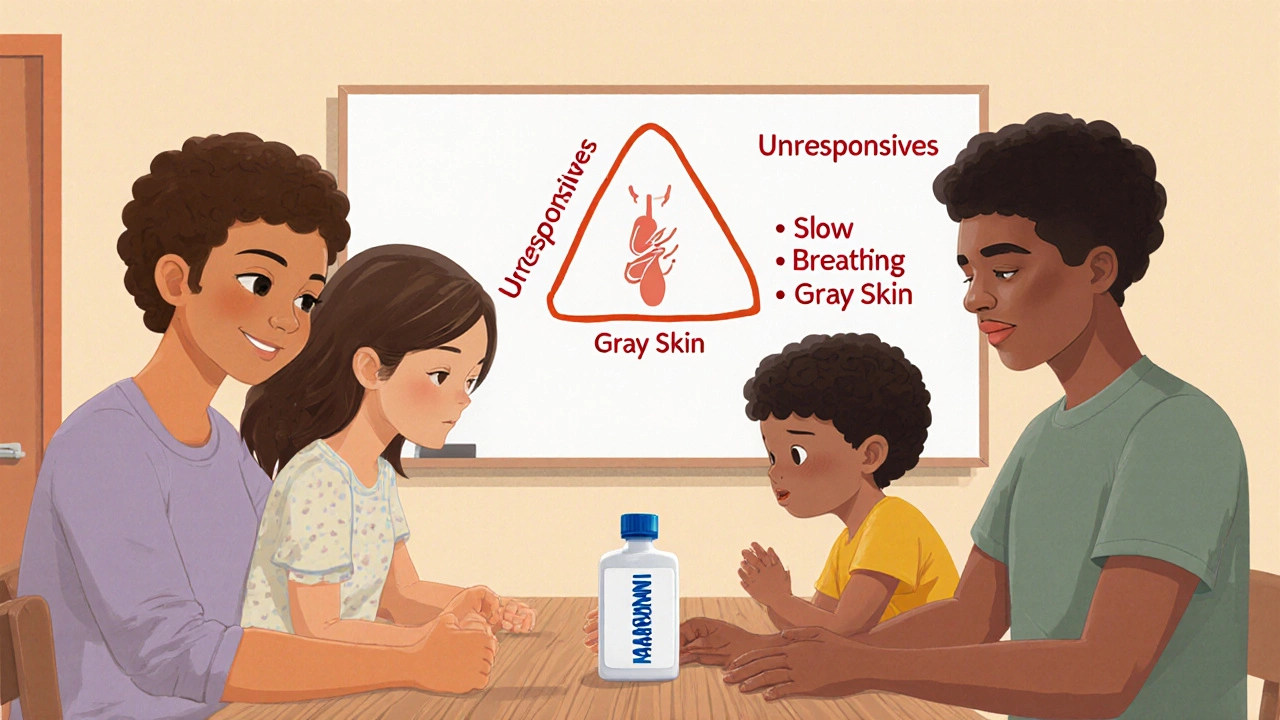
Learn how to teach your family to recognize overdose signs like unresponsiveness, slow breathing, and skin color changes. Includes step-by-step training methods, naloxone use, and real-life survival tips.
Naloxone Training: How to Save a Life from Opioid Overdose
When someone overdoses on opioids, every second counts. naloxone, a life-saving medication that rapidly reverses opioid overdose by blocking opioid receptors in the brain. Also known as Narcan, it’s not a cure—but it’s the best chance someone has to survive until emergency help arrives. Naloxone training isn’t just for doctors or paramedics. It’s for parents, friends, teachers, store clerks, and anyone who might be near someone using opioids—prescribed or not.
Overdose doesn’t always look like what you see on TV. People don’t always collapse dramatically. Sometimes they’re just unusually sleepy, breathing slowly, or unresponsive. Naloxone training teaches you how to spot these signs fast, call 911, and give the right dose—whether it’s a nasal spray or an injection. It also covers what to expect after giving naloxone: the person might wake up confused, angry, or in withdrawal. That’s normal. And it’s better than dead. Training also shows you how to use naloxone safely around children, how to store it properly, and why having two doses on hand matters—because one might not be enough.
Naloxone training often includes hands-on practice with training devices that mimic the real thing. You’ll learn how to hold the spray, aim it correctly, and press the plunger without hesitation. You’ll also learn why timing matters—giving naloxone too late can mean brain damage or death. Many communities offer free training through pharmacies, clinics, or public health programs. Some even give you the naloxone kit for free. And if you’re worried about legal trouble? In most places, Good Samaritan laws protect you if you act in good faith.
It’s not about judging people who use opioids. It’s about keeping people alive. Every year, tens of thousands die from overdoses that could’ve been reversed. Naloxone training turns bystanders into first responders. You don’t need a medical degree. You just need to know what to do when it counts. Below, you’ll find real stories, practical guides, and expert advice on how naloxone fits into broader overdose prevention, how it interacts with other drugs, and why having it ready could mean the difference between a hospital visit and a funeral.