
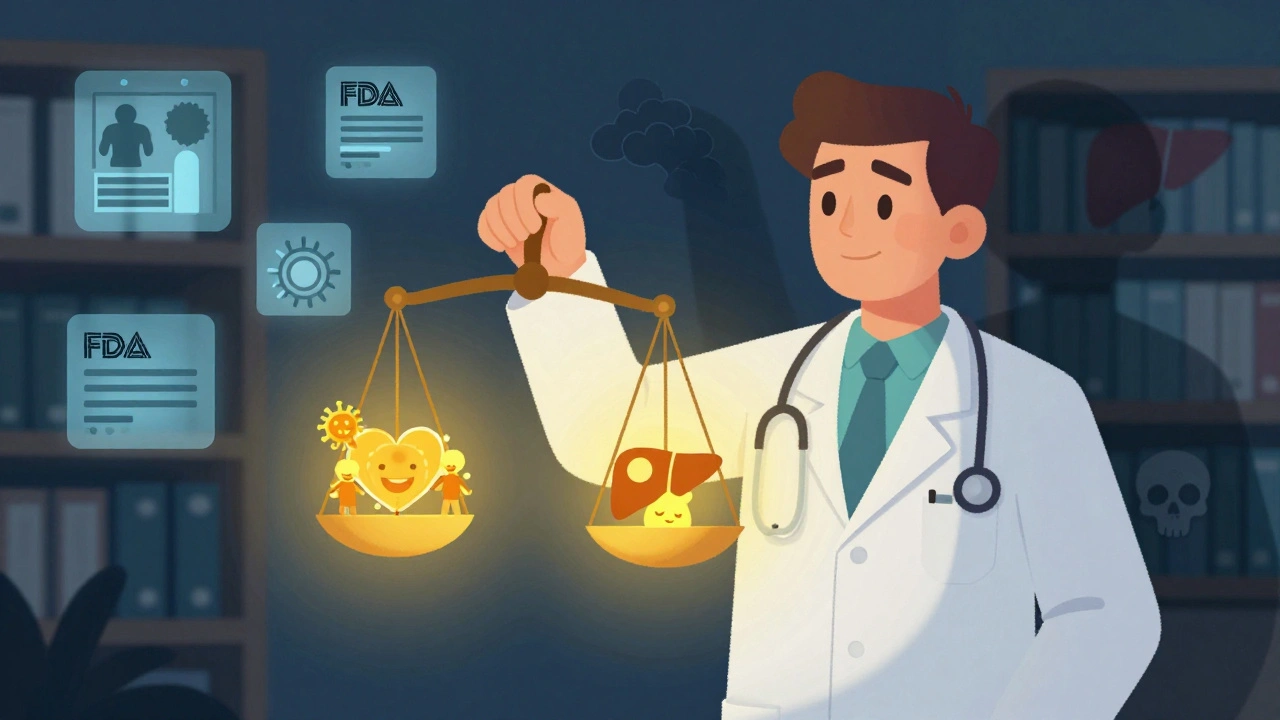
Healthcare providers weigh medication risks against benefits to ensure treatments do more good than harm. This process considers disease severity, side effects, patient preferences, and real-world data-especially when options are limited.
Medication Risks: What You Need to Know Before Taking Any Drug
When you take a medication risk, any potential harm caused by a drug, whether from side effects, interactions, or improper use. Also known as adverse drug events, it's not just about feeling sick—it’s about whether the drug does more harm than good in your body. Most people think risks only come from prescription pills, but over-the-counter painkillers, herbal supplements, and even fake generics can be just as dangerous.
Drug interactions, when two or more substances change how each other works in your body are one of the biggest hidden dangers. Mixing a common anxiety pill like Xanax with alcohol or opioids can slow your breathing to a stop. Even something as simple as a counterfeit generic, a fake version of a cheap, off-patent drug that may contain no active ingredient or toxic chemicals can mean you’re not getting the medicine you paid for—or worse, you’re ingesting something harmful. These aren’t rare cases. In 2025, fake versions of popular drugs like Ozempic and statins are flooding online markets, and many people don’t know the difference.
Therapeutic drug monitoring, measuring blood levels of certain drugs to ensure they’re in the safe, effective range exists for a reason. Drugs like tricyclic antidepressants or lithium can be deadly if your body can’t process them right—especially if you have liver disease or kidney issues. Your doctor doesn’t always check these levels automatically. And if you’re on a long-acting injectable antipsychotic, skipping follow-up blood tests could mean missing early signs of diabetes or movement disorders before they become irreversible.
It’s not just about the drug itself—it’s about your body, your other meds, your health history, and where you buy it. Liver disease cuts drug clearance by up to half. Acid-reducing pills can stop your other meds from being absorbed. Ginkgo biloba, often seen as "natural and safe," can turn your blood into a thin soup when mixed with warfarin. These aren’t hypotheticals. People end up in the ER every day because they didn’t know these connections.
And here’s the thing: most medication risks aren’t listed on the bottle. They show up after millions of people start using a drug—because clinical trials only see a fraction of real-world use. That’s why drug safety signals, hidden dangers that emerge only after widespread use, detected through real-world data and patient reports matter. A memory issue from statins? A sudden drop in blood pressure from an antibiotic? These weren’t obvious in trials. They showed up because someone told their doctor—and that report got tracked.
You don’t need to be a pharmacist to protect yourself. You just need to know what questions to ask: Is this drug safe with my other pills? Could my liver handle it? Did I get this from a real pharmacy? Am I being monitored for side effects? The answers aren’t always easy to find—but they’re out there. Below, you’ll find real stories, clear breakdowns, and hard facts about the hidden dangers in your medicine cabinet. No fluff. No marketing. Just what you need to know before you swallow the next pill.