
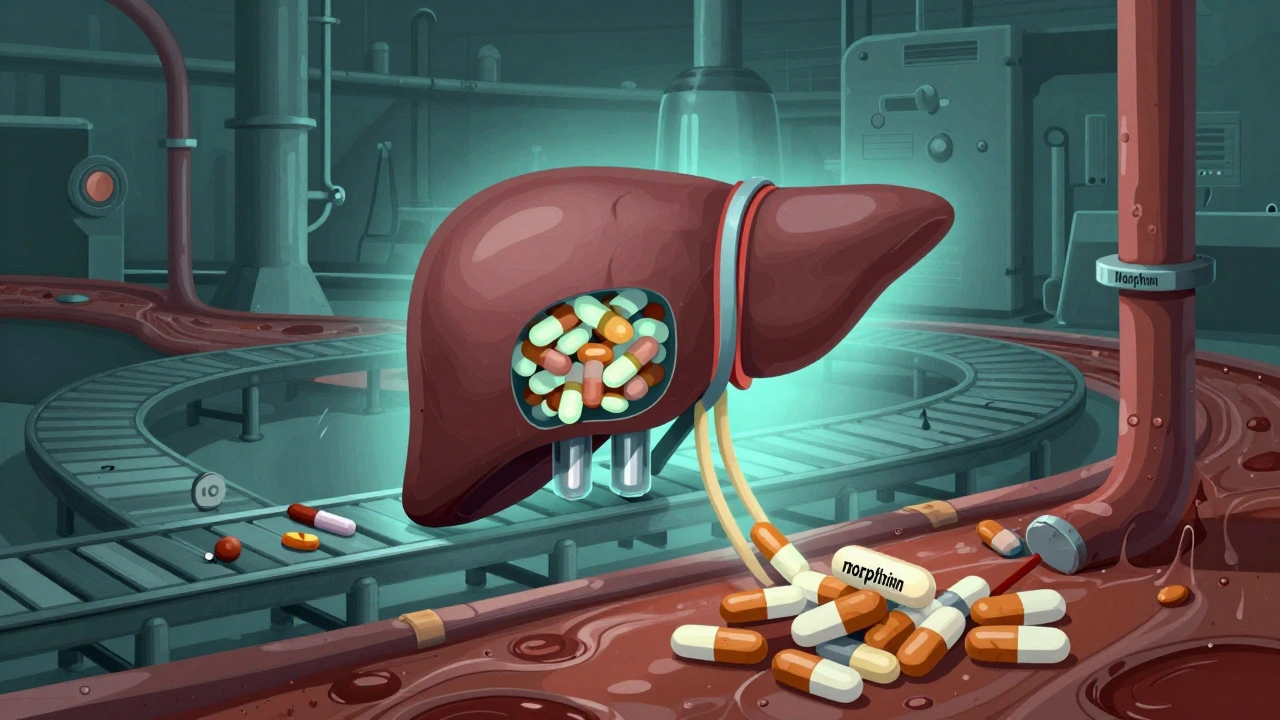
Liver disease reduces drug clearance by 30-50%, leading to dangerous drug buildup. Learn how enzyme changes, blood flow, and liver scoring affect medication safety-and what dosing adjustments actually work.
Medication Dosing: How to Get It Right and Avoid Dangerous Mistakes
When you take a pill, the medication dosing, the specific amount and timing of a drug given to achieve the desired effect while minimizing harm. Also known as drug dosage, it's not just about following the label—it's about matching your body, your health, and your other meds to what the pill is designed to do. Too little and it won’t work. Too much and you could end up in the ER. This isn’t theoretical. People die every year from wrong doses of common drugs like warfarin, insulin, or even over-the-counter painkillers.
Medication dosing doesn’t happen in a vacuum. It’s shaped by what else you’re taking. drug interactions, when one medication changes how another works in your body can turn a safe dose into a toxic one. For example, acid-reducing pills like omeprazole can stop your body from absorbing antibiotics or iron. Benzodiazepines mixed with opioids? That combo kills. Even herbal stuff like Ginkgo biloba can thin your blood enough to cause bleeding when you’re on warfarin. And then there’s therapeutic drug monitoring, blood tests that measure how much of a drug is actually in your system—something doctors use for drugs like tricyclic antidepressants or carbamazepine because their safety window is razor-thin. If your blood level is off by just a little, you might feel nothing… or have a seizure.
Some medications need special handling because your body changes over time. opioid rotation, switching from one painkiller to another to avoid tolerance or side effects isn’t just for cancer patients. It’s a smart move when your current drug stops working or gives you nausea, constipation, or brain fog. Same with statins—some people report memory issues, but most studies show they protect your brain long-term. The real issue? Not knowing if the side effect is the drug or something else. That’s why monitoring matters. Long-acting injectables for psychosis? They keep you on track, but you need regular checkups for weight gain, blood sugar spikes, or movement disorders. Skipping those checks turns a lifesaver into a risk.
You can’t guess your way through dosing. That’s why the posts here don’t just list facts—they show you how real people manage it. From spotting counterfeit generics to understanding why your insulin dose needs adjustment when you start a beta-blocker, this collection cuts through the noise. You’ll find out how to talk to your doctor about supplements, why some antibiotics are dosed in single pills, and how to recognize overdose signs before it’s too late. These aren’t theory pages. They’re survival guides written by people who’ve seen what happens when dosing goes wrong—and how to fix it before it’s too late.