
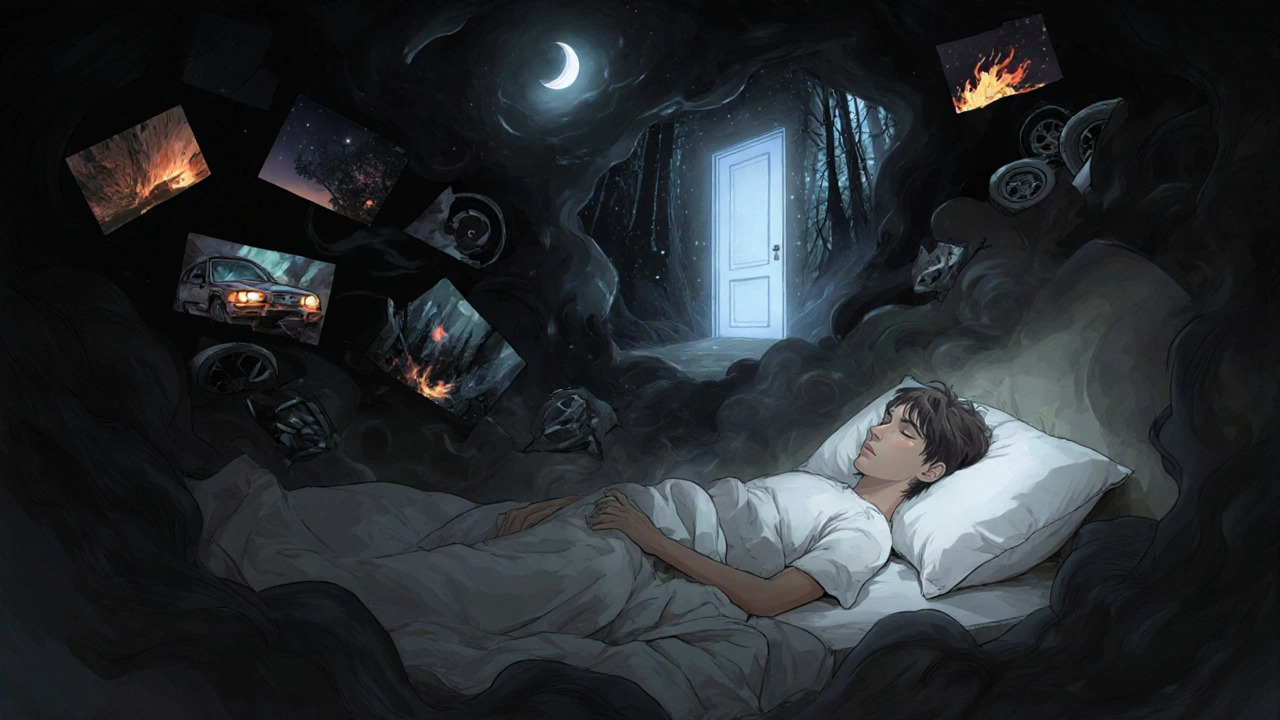
Imagery Rehearsal Therapy is a proven, non-medication method to stop PTSD nightmares. Learn how rewriting your dreams can improve sleep, reduce trauma symptoms, and restore restful nights.
Imagery Rehearsal Therapy: How Mental Visualization Helps with Nightmares and Sleep
When you keep reliving the same terrifying dream, it’s not just bad luck—it’s a sign your brain is stuck. Imagery rehearsal therapy, a structured cognitive technique where you rewrite and rehearse the ending of a recurring nightmare while awake. Also known as IRT, it’s one of the few treatments backed by solid research for chronic nightmares, especially in people with PTSD, anxiety, or sleep disorders. Unlike sleeping pills or general talk therapy, IRT targets the dream itself—not just the fear around it.
How does it actually work? You pick a nightmare you have often—maybe it’s falling, being chased, or reliving a traumatic event—and you rewrite it. Not just a little change, but a full new ending. Something calm. Something safe. Then you visualize that new version for 10–20 minutes every day. You don’t just think about it—you feel it. See the colors, hear the sounds, notice how your body feels in the new story. Studies show this isn’t just distraction—it rewires how your brain processes fear during sleep. The Department of Veterans Affairs has used IRT for years with veterans suffering from combat-related nightmares, and results show up to 70% reduction in nightmare frequency within weeks.
It’s not magic. It takes practice. But you don’t need a therapist to start—though having one helps. Many people use IRT alongside other treatments like cognitive behavioral therapy, a structured approach to changing thought patterns that influence behavior and emotions, or when managing side effects from long-acting injectables, medications used for psychiatric conditions that require ongoing monitoring for side effects. You’ll find that IRT fits well with other sleep-focused strategies, like avoiding caffeine before bed or keeping a consistent schedule. What makes it powerful is that it gives you control. Instead of waiting for the nightmare to happen, you’re the author of your dreams.
There’s no drug involved. No needles. No expensive equipment. Just your mind, a quiet space, and the courage to rewrite what scares you. And it works for more than just veterans. People with anxiety, depression, even those recovering from accidents or abuse report fewer nightmares after just a few weeks. The real win? Better sleep. Less daytime fatigue. More confidence. The posts below show how IRT connects with other areas of mental health, medication safety, and sleep science—from how trauma affects drug metabolism to how therapy can reduce reliance on sedatives. You’ll see real cases, practical steps, and what to expect when you try it yourself.