
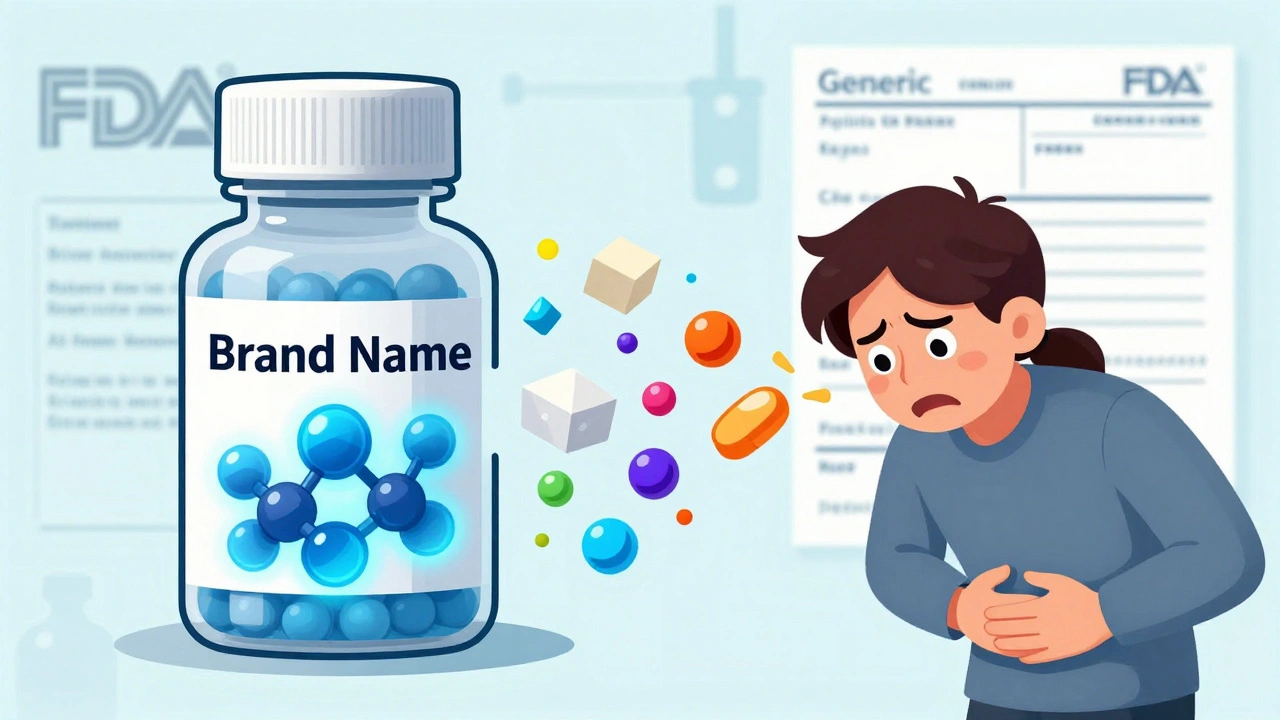
Generics are just as safe as brand-name drugs, but unexpected side effects can come from inactive ingredients-not the active drug. Learn what really causes interactions and how to stay safe.
Generic Drug Interactions: What You Need to Know Before Taking Them
When you pick up a generic drug, a chemically identical version of a brand-name medication approved by the FDA. Also known as generic medications, it works the same way but costs far less. But here’s the thing: just because it’s cheaper doesn’t mean it’s safe to mix with anything. Many people assume generics are harmless copies, but they can still cause serious drug interactions—especially when combined with other pills, supplements, or even food.
Take acid-reducing medications, like PPIs and H2 blockers used for heartburn. These can block the absorption of key generics like ketoconazole, iron, or even some antibiotics. If your generic thyroid med isn’t working, it might not be the dose—it’s your antacid. Or consider blood thinners, such as warfarin or clopidogrel, used to prevent clots. Even something as simple as ginkgo biloba or St. John’s wort can turn a safe generic into a bleeding risk. These aren’t edge cases—they’re common mistakes made daily because people think "it’s just a generic," so it doesn’t matter.
And it’s not just about what you take with your pills. Your liver, kidneys, age, and other conditions change how generics behave in your body. Someone with liver disease might need a lower dose of a generic statin or antidepressant, or the drug could build up to toxic levels. Generic versions of the same drug can have different fillers or coatings, which can affect how fast they dissolve—and that changes how they interact. A 2023 study in the Journal of Clinical Pharmacology found that over 12% of emergency visits linked to medication errors involved generic drugs being mixed incorrectly with other prescriptions.
You don’t need to avoid generics. They’re safe, effective, and save billions. But you do need to treat them like any other medication—with attention, not assumption. Always tell your pharmacist every pill, patch, or herb you’re using. Ask: "Could this generic react with anything else I take?" Don’t wait for a side effect to show up. Check before you start.
Below, you’ll find real-world stories and science-backed advice on how generic drugs behave in the body, what to watch out for, and how to spot hidden risks before they hurt you.