
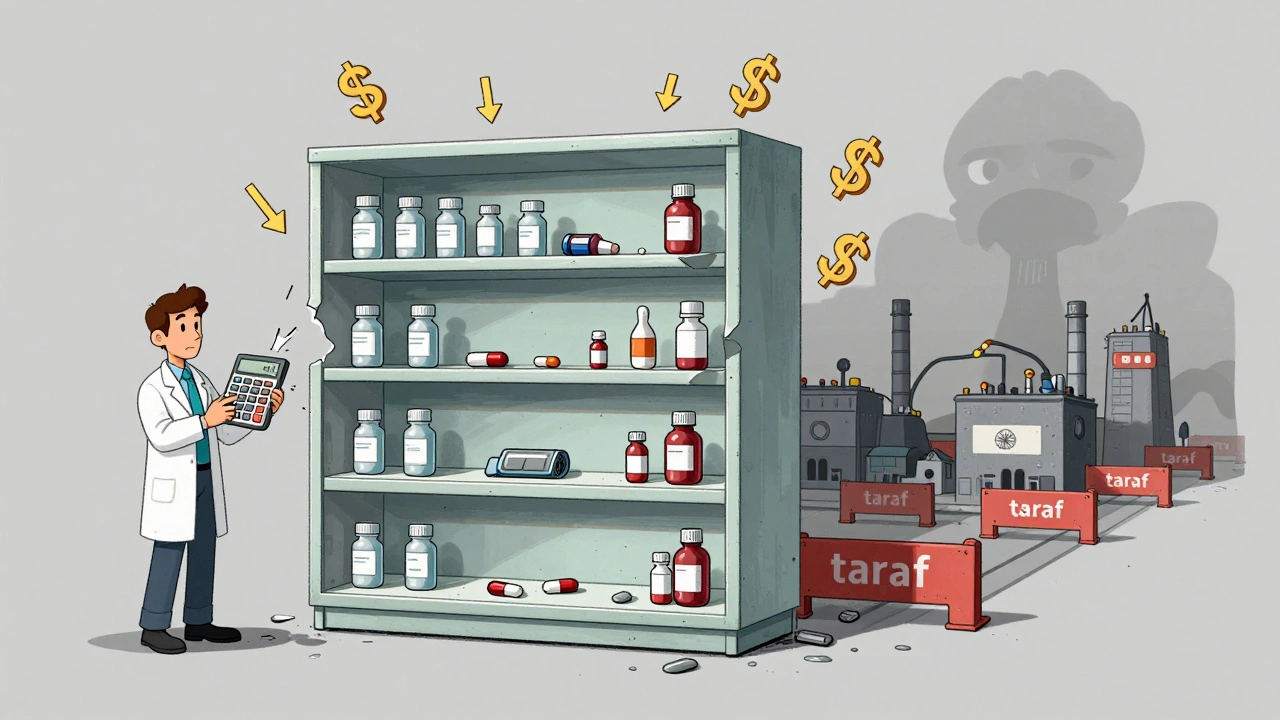
Pricing pressure and rising manufacturing costs are causing widespread drug shortages as generic drug makers can't profitably produce essential medicines. Here's how the system broke - and what needs to change.
Generic Drug Costs: What You Really Pay and Why It Matters
When you hear generic drug costs, the price of FDA-approved versions of brand-name medications that contain the same active ingredient. Also known as off-patent drugs, they’re meant to be cheaper alternatives—but what you actually pay depends on more than just the label. Many people assume generics are always the cheapest option, but that’s not always true. Sometimes, a brand-name drug on sale at a discount pharmacy costs less than the generic at your local CVS. Why? Because pricing isn’t set by science—it’s set by supply chains, insurance rules, and who’s buying.
Behind the scenes, e-pharmacy savings, online platforms like GoodRx and Beem that compare prices across pharmacies to find the lowest out-of-pocket cost. Also known as price comparison tools, they’ve changed how people buy meds without insurance are reshaping how Americans pay for prescriptions. A 30-day supply of metformin might cost $4 at an e-pharmacy but $15 at a retail pharmacy—even with insurance. That’s not a glitch. It’s how the system works. Pharmacies get paid differently based on contracts with PBMs (pharmacy benefit managers), and those deals often favor brand names or specific generics. Your insurance insurance formulary, a list of drugs covered by your plan, ranked by cost tiers that determine your copay. Also known as drug list, it controls which generics you can get and how much you pay plays a huge role too. A drug might be generic, but if it’s on Tier 3 or requires prior authorization, you’re still paying more than you should.
And it’s not just about price. Fake generics are real. Counterfeit versions of common drugs like metformin or lisinopril show up online and even in some unregulated stores. These fakes might have no active ingredient—or worse, toxic fillers. That’s why knowing where you buy matters as much as how much you pay. The best way to protect yourself? Stick to licensed pharmacies, check for FDA approval codes, and use price tools that link directly to verified sellers.
What you’ll find in the posts below isn’t just a list of cheap drugs. It’s a breakdown of how the system really works: why two people with the same prescription pay different amounts, how tendering systems in Europe slash costs without cutting corners, why some generics cause unexpected side effects (not from the drug, but from the filler), and how to spot when you’re being overcharged. You’ll see real examples of savings—like how a $200 brand-name drug became a $7 generic using a simple trick most people don’t know. This isn’t theory. It’s what people are doing right now to cut their medication bills by half—or more.