
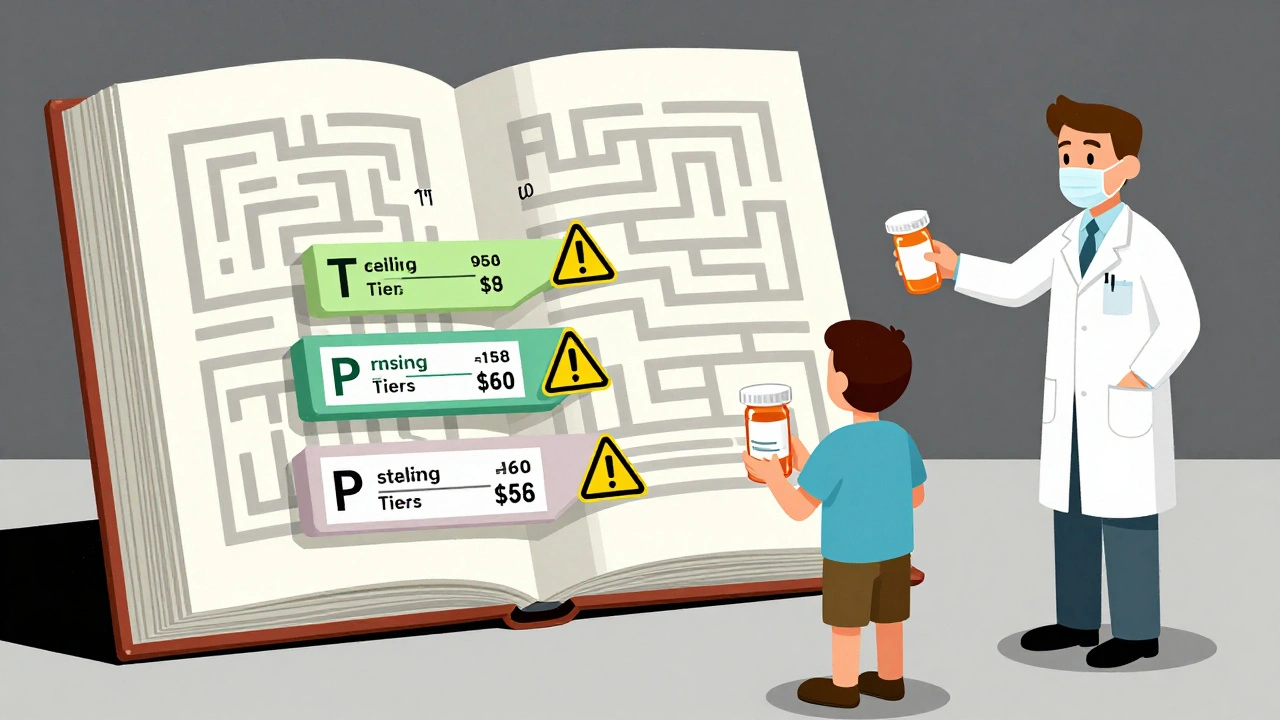
Insurance formularies control which drugs are covered and how much you pay. Learn how tiers, substitution rules, and exceptions work-and how to protect yourself from unexpected cost hikes.
Drug Substitution: What You Need to Know About Switching Medications
When your pharmacy gives you a different pill than what your doctor prescribed, that’s drug substitution, the practice of replacing a prescribed medication with a chemically similar or therapeutically equivalent alternative. Also known as therapeutic substitution, it’s meant to cut costs—but not all swaps are created equal. Some work perfectly. Others carry hidden risks you might never hear about until something goes wrong.
Most drug substitutions involve generics, lower-cost versions of brand-name drugs with the same active ingredient, dose, and intended effect. Also known as generic drugs, they’re approved by the FDA and work the same way for most people. But then there’s biosimilars, complex copies of biologic drugs made from living cells, not chemicals. These aren’t exact copies like generics—they’re similar, but tiny differences can affect how your body responds. And while both are used in drug substitution, the rules, safety checks, and real-world outcomes are completely different.
Not every drug can be swapped safely. Medications with narrow therapeutic windows—like blood thinners, seizure drugs, or antidepressants—need exact dosing. A small change in how your body absorbs the drug can lead to toxicity or treatment failure. That’s why therapeutic drug monitoring, tracking blood levels to ensure a drug stays in the safe, effective range matters so much for some substitutions. And when you’re on long-acting injectables or opioids, switching isn’t just about cost—it’s about managing side effects, avoiding withdrawal, and keeping pain under control. Opioid rotation, a specific type of drug substitution used to reduce side effects while maintaining pain relief is a proven method, but it requires careful math and close monitoring.
Even the source of your medication matters. Fake generics are flooding online markets, and some look identical to the real thing—but contain no active ingredient, or worse, toxic chemicals. Knowing where your drugs come from is part of understanding true drug substitution. And if you’re taking supplements like Ginkgo biloba or acid reducers, those can interfere with how your substituted drugs work, turning a simple swap into a dangerous mix.
Behind every substitution is a system—tendering programs in Europe that force pharmacies to pick the cheapest option, supply chains that depend on factories overseas, and pharmacy workflows designed to push generics before asking if they’re right for you. The truth? Not all substitutions are bad. Many save lives by making treatment affordable. But you deserve to know when a switch is safe, when it’s just a cost-cutting move, and when you should push back.
Below, you’ll find real stories and science from people who’ve been through these swaps—whether it’s switching from a brand-name statin to a generic, dealing with a biosimilar that didn’t work the same way, or learning how to spot a counterfeit pill. No fluff. No jargon. Just what you need to know to protect yourself when your medication changes.