
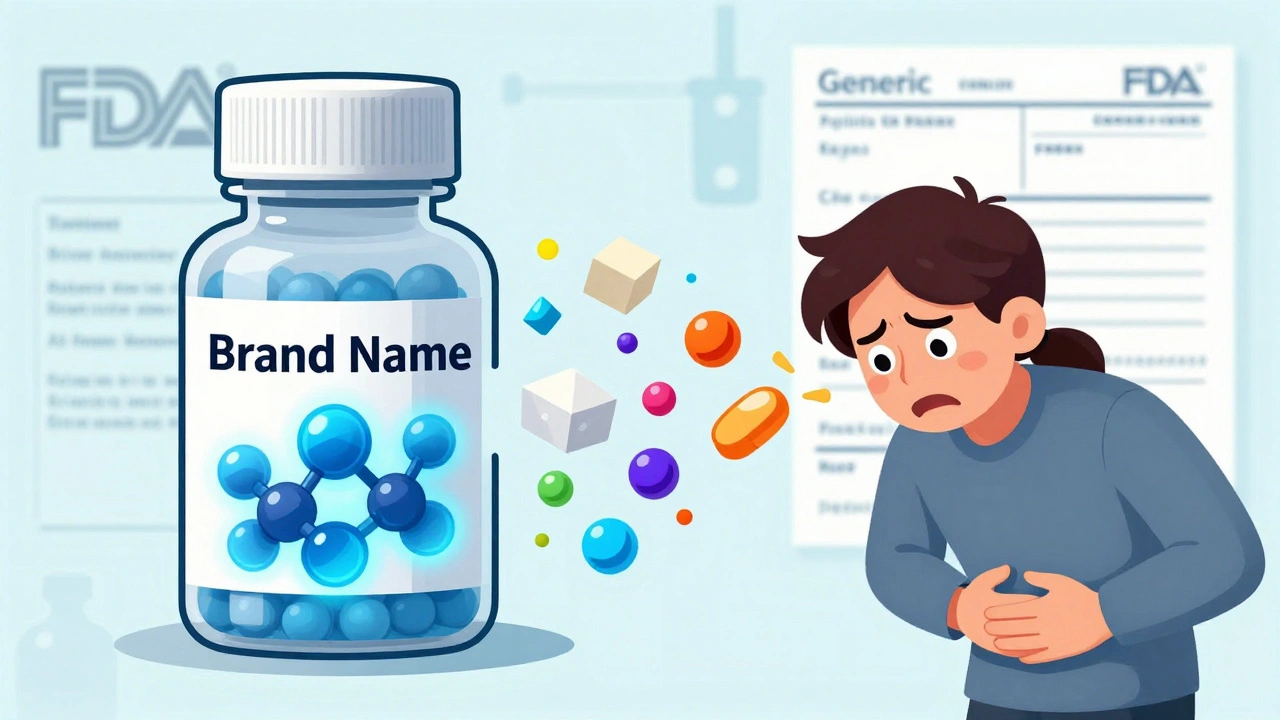
Generics are just as safe as brand-name drugs, but unexpected side effects can come from inactive ingredients-not the active drug. Learn what really causes interactions and how to stay safe.
Drug Interaction Risks: What You Need to Know Before Mixing Medications
When you take more than one medication, you’re not just adding effects—you’re risking drug interaction risks, unpredictable and sometimes life-threatening changes in how drugs work when combined. Also known as medication interactions, these happen when one drug changes how another is absorbed, broken down, or cleared by your body. It’s not just about prescriptions. Over-the-counter painkillers, herbal supplements like Ginkgo biloba, and even antacids can trigger serious problems you never saw coming.
Take PPIs, acid-reducing drugs like omeprazole that lower stomach acid to treat heartburn. They might seem harmless, but they can block your body from absorbing key drugs like clopidogrel, iron, or even certain antibiotics. Without enough of those drugs in your system, your treatment fails—sometimes with deadly results. Then there’s benzodiazepines, anxiety meds like Xanax or Valium that calm your nervous system. Mix them with opioids, alcohol, or sleep pills, and your breathing can slow to a stop. These aren’t rare edge cases. They show up in ERs every day.
Drug interaction risks don’t care if you’re young or old, healthy or sick. They thrive in the gaps between care. Someone takes a statin for cholesterol, adds a supplement for sleep, and doesn’t tell their doctor. Another person switches from one painkiller to another without realizing their liver can’t handle the combo. Even something as simple as switching from brand to generic can trigger unexpected reactions if the new version interacts differently with your other meds.
And it’s not just about what’s in your bottle. Your liver, kidneys, age, and even what you ate for breakfast can change how these interactions play out. A drug that’s safe alone might become dangerous when your liver is already stressed from disease or alcohol. That’s why providers don’t just look at your list of meds—they check your whole story. Your supplements. Your OTC painkillers. Your coffee habit. Even grapefruit juice can mess with how your body handles dozens of common drugs.
What you’ll find below isn’t just a list of articles. It’s a practical guide to spotting the hidden dangers in your medicine cabinet. From how acid blockers interfere with absorption, to why mixing anxiety meds with opioids is a ticking time bomb, to how liver disease changes everything—each post breaks down real cases, real risks, and real fixes. No fluff. No theory. Just what you need to know before you take the next pill.