
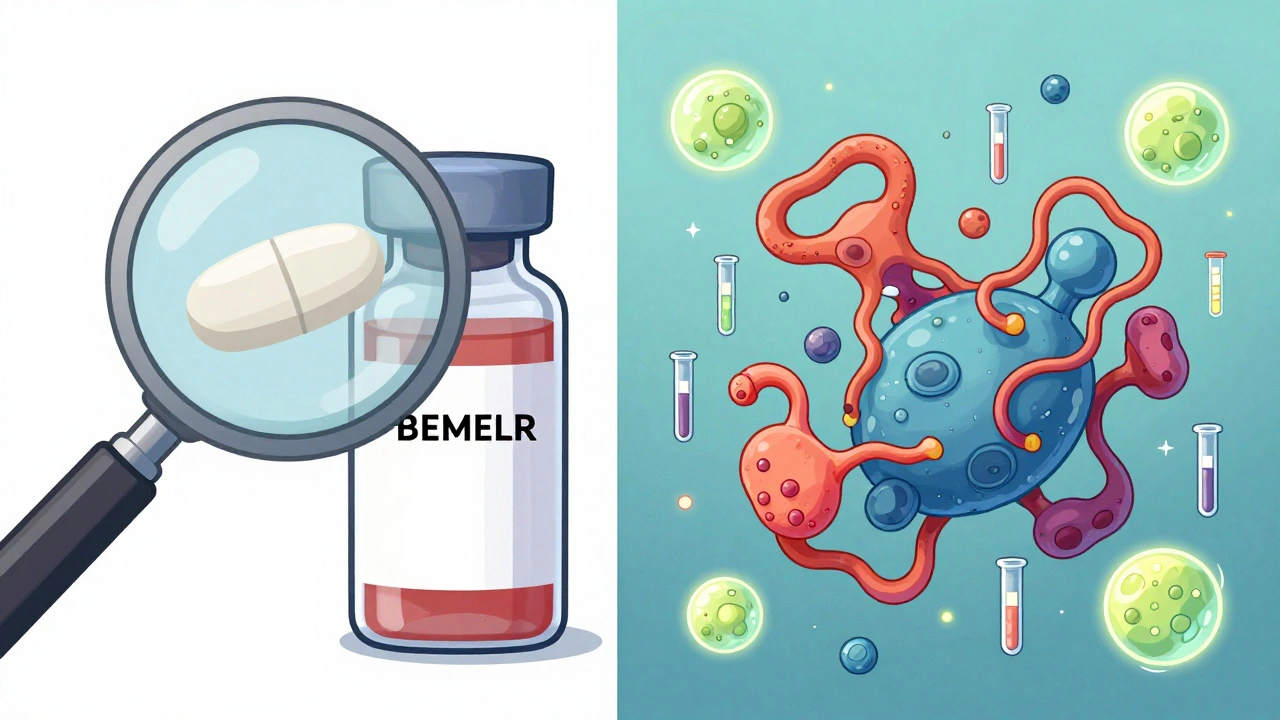
Biosimilars and generics both lower drug costs, but they’re not the same. Biosimilars are complex biologic copies with different approval rules, safety considerations, and cost savings than simple generic chemicals.
Drug Differences: Understanding Variations in Medications and Their Impact
When you hear drug differences, the variations between medications that may seem identical but behave very differently in the body. Also known as medication variability, it's not just about price or brand—it's about how your body absorbs, processes, and reacts to what’s inside the pill. Two pills might have the same active ingredient, but one could be a generic, another a brand-name version, and a third could be a counterfeit copy sold online. These differences aren’t just technical—they can change how well a drug works, how many side effects you get, or even if it’s safe at all.
Generic drugs, lower-cost versions of brand-name medications that must meet the same FDA standards for effectiveness and safety. Also known as generic medications, they’re the backbone of affordable healthcare—but not all generics are created equal. Some work just as well, while others cause unexpected side effects because of differences in inactive ingredients like fillers or coatings. And then there’s drug interactions, when one medication changes how another behaves in your system. Also known as medication conflicts, these can turn a safe dose into a dangerous one. For example, acid-reducing pills can block absorption of antibiotics or thyroid meds, while herbal supplements like Ginkgo biloba can thin your blood just like prescription anticoagulants. Even something as simple as switching from one opioid to another—called opioid rotation, a strategy to reduce side effects by changing to a different painkiller with a similar effect. Also known as opioid switching—requires precise math and monitoring because no two opioids act the same in your body.
These drug differences aren’t just for doctors to worry about. They affect your wallet, your sleep, your digestion, and your risk of overdose. Insurance formularies push certain drugs over others not because they’re better, but because they’re cheaper. Pharmacists deal with substitution rules that swap one generic for another without telling you. Online pharmacies offer rock-bottom prices, but some sell fake versions with no active ingredient—or worse, toxic chemicals. And if you have liver disease, your body might clear a drug 50% slower, turning a normal dose into an overdose. Even something as common as statins can cause memory issues in rare cases, while tricyclic antidepressants need blood tests to avoid fatal toxicity. These aren’t edge cases—they’re everyday realities.
What you’ll find below isn’t just a list of articles. It’s a practical guide to spotting the hidden gaps between what’s on the label and what actually happens in your body. From how tendering systems in Europe keep generic drugs affordable to how counterfeit Ozempic is flooding the market, these posts break down the real-world consequences of drug differences. You’ll learn how to tell if your medication is working—or if it’s just pretending to. How to ask your pharmacist the right questions. When to push back on insurance. And how to protect yourself when the system doesn’t.