
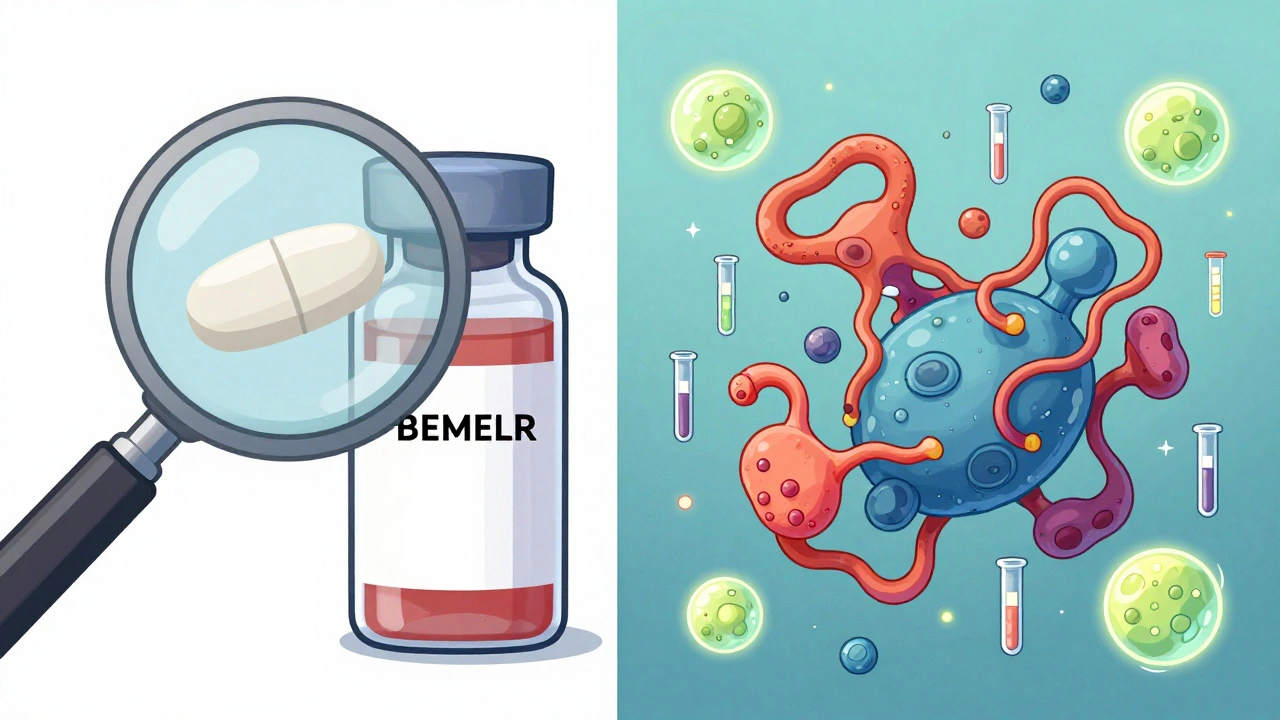
Biosimilars and generics both lower drug costs, but they’re not the same. Biosimilars are complex biologic copies with different approval rules, safety considerations, and cost savings than simple generic chemicals.
Biologics: What They Are, How They Work, and Why They Matter
When you hear the word biologics, complex medicines made from living organisms like cells or proteins, often used to treat chronic or autoimmune diseases. Also known as biopharmaceuticals, they’re not like regular pills you swallow—they’re injected or infused because your body would break them down if taken orally. These drugs target specific parts of your immune system or disease pathways, making them powerful tools for conditions like rheumatoid arthritis, psoriasis, Crohn’s disease, and even certain cancers. Unlike traditional drugs that are chemically synthesized, biologics are grown in labs using living cells, which makes them harder to copy exactly and far more expensive to produce.
This complexity is why biosimilars, highly similar versions of biologics that are approved after the original patent expires. Also known as follow-on biologics, they offer a way to bring down costs without sacrificing safety or effectiveness matter so much. Biosimilars aren’t generics—they don’t work the same way as generic pills for blood pressure or cholesterol. Because biologics are so intricate, biosimilars must go through strict testing to prove they behave nearly identically in the body. That’s why specialty pharmacy, pharmacies that handle complex, high-cost medications requiring special handling or monitoring. Also known as specialty dispensing centers, they’re often the only place you’ll get these drugs plays such a big role. These pharmacies don’t just fill prescriptions—they track side effects, manage storage conditions, educate patients, and work with insurers to get coverage approved. Many of the posts here touch on this: how drug substitution rules affect access, how formularies limit choices, and why even small changes in how a biologic is delivered can impact outcomes.
It’s not just about cost or access—it’s about safety. Because biologics alter your immune system, they can increase infection risk or trigger rare but serious reactions. That’s why monoclonal antibodies, a major type of biologic designed to bind to specific targets in the body, like proteins involved in inflammation or cancer growth. Also known as mAbs, they’re the backbone of many modern treatments are closely monitored. You’ll see this in posts about CGRP inhibitors for migraines, long-acting injectables for mental health, and even how drug shortages disrupt supply chains. These aren’t random topics—they’re all connected by the same reality: biologics are powerful, precise, and demand careful handling. Whether you’re a patient, caregiver, or provider, understanding how they work, how they’re regulated, and how to navigate coverage is no longer optional. Below, you’ll find real-world insights from pharmacists, clinicians, and patients who’ve lived through the challenges and breakthroughs of using these advanced medicines.