
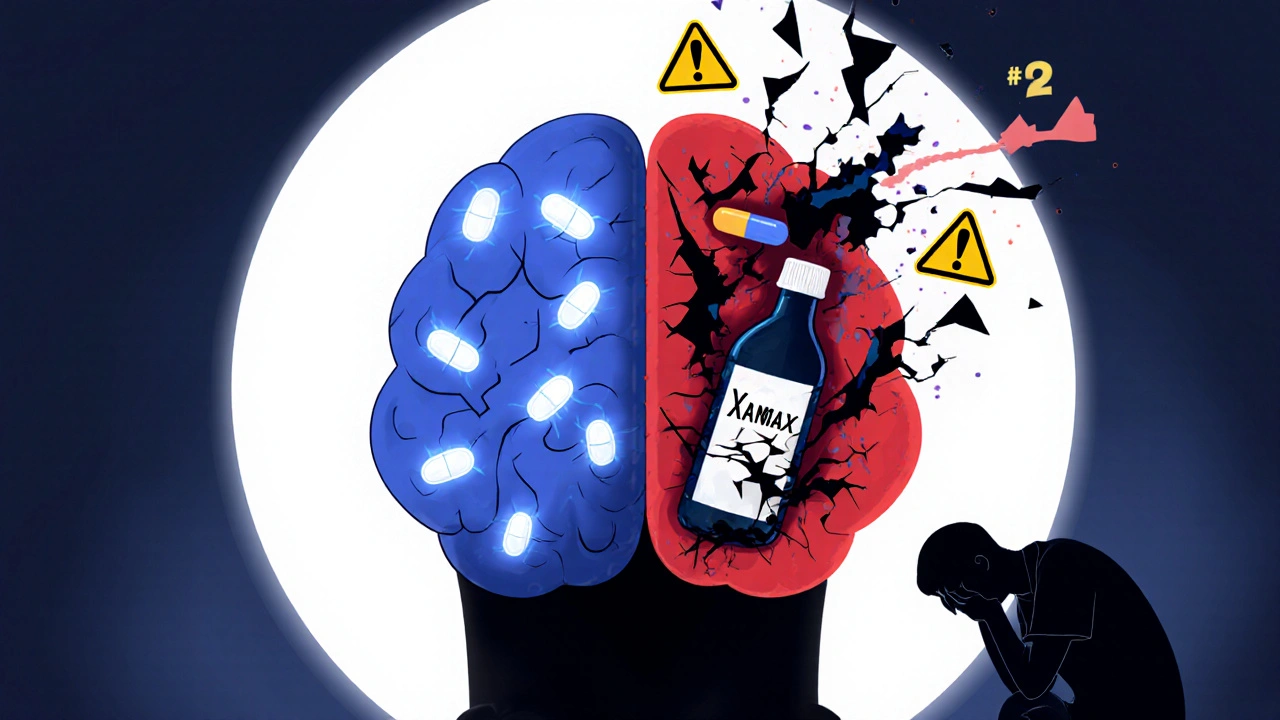
Benzodiazepines like Xanax and Valium offer fast anxiety relief but carry serious risks when mixed with opioids, alcohol, or sleep meds. Learn the dangerous interactions, who's most at risk, and safer alternatives.
Anxiety Meds: What Works, What to Avoid, and How to Stay Safe
When you're struggling with constant worry, racing thoughts, or panic that won’t quit, anxiety meds, prescription drugs designed to reduce excessive fear and nervous system overactivity. Also known as anti-anxiety medications, they can be a lifeline—but only if you know how they work, who they help, and what dangers to avoid. Not all anxiety meds are the same. Some calm your nerves fast but carry risks of dependence. Others take weeks to kick in but are safer for long-term use. The right one depends on your symptoms, health history, and what else you’re taking.
Two main types dominate the conversation: SSRIs, selective serotonin reuptake inhibitors like sertraline and escitalopram, used daily to rebalance brain chemistry over time, and benzodiazepines, fast-acting drugs like alprazolam and lorazepam that offer quick relief but can lead to tolerance and withdrawal. Many people start with SSRIs because they’re less addictive, but if your anxiety spikes suddenly, a benzodiazepine might be added short-term. The problem? These drugs don’t play nice with everything. For example, mixing them with acid-reducing pills like PPIs can mess with absorption. Or combining them with herbal supplements like Ginkgo biloba might raise bleeding risk. Even common painkillers like ibuprofen or acetaminophen can interfere if you’re on multiple meds. You’re not just taking one drug—you’re managing a whole system.
And then there’s the silent issue: counterfeit meds. With so many people buying online, fake versions of anxiety meds are flooding the market. Some have no active ingredient. Others contain dangerous chemicals. That pill you ordered because it was cheap? It might not help your anxiety—and could hurt you worse. That’s why knowing where to buy safely matters just as much as knowing which drug to take. Your doctor should guide you, but you need to ask the right questions: How long will this take to work? What happens if I miss a dose? Could this interact with my other meds or supplements? And what are the real odds of dependence?
Below, you’ll find real, no-fluff guides on how anxiety meds interact with other drugs, how to spot fake versions, what alternatives exist, and how to talk to your provider without getting dismissed. No theory. No marketing. Just what you need to know to use these meds safely—and when to push back if something doesn’t feel right.