
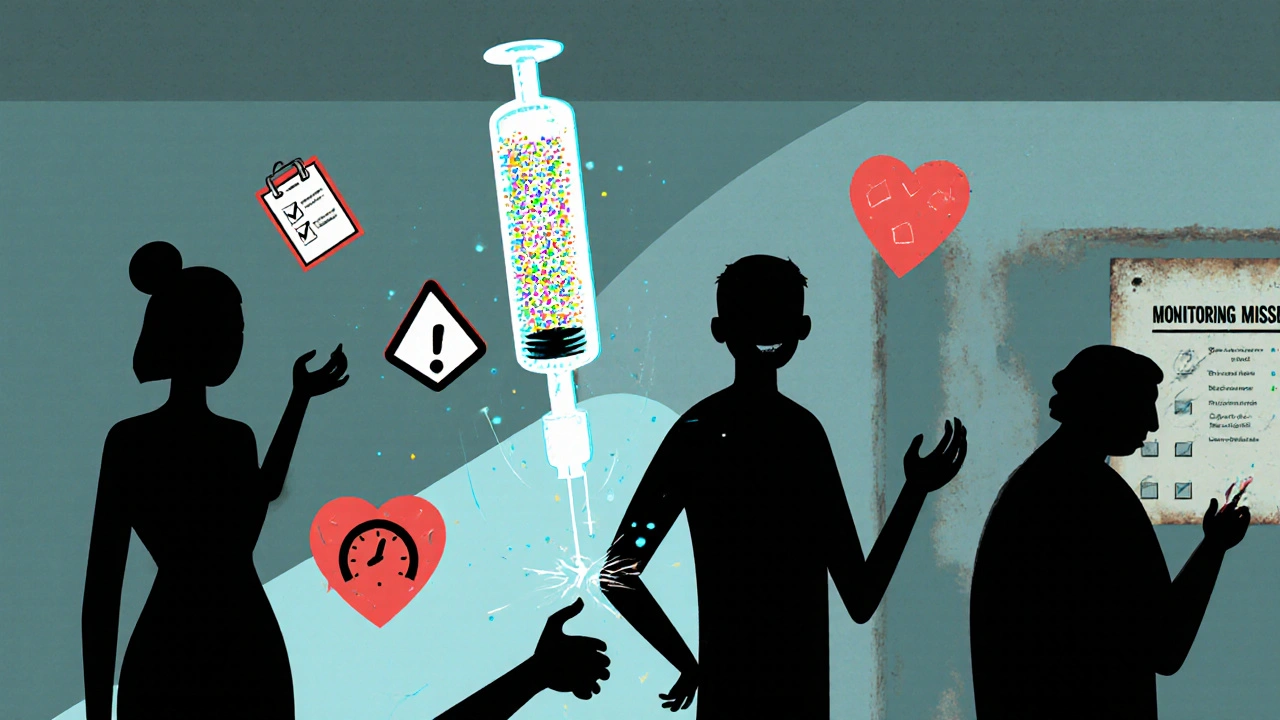
Long-acting injectable antipsychotics improve adherence but require rigorous, ongoing side effect monitoring to prevent serious health risks like diabetes, movement disorders, and even death. Without structured checks, these benefits are undermined.
Antipsychotic Side Effects: What You Need to Know Before Taking These Medications
When you take antipsychotic medications, a class of drugs used to treat psychosis, schizophrenia, bipolar disorder, and sometimes severe depression. Also known as neuroleptics, these drugs help calm the brain’s overactive signals—but they don’t come without trade-offs. Many people feel better after starting them, but side effects are common, and some can be hard to ignore—or even dangerous if left unchecked.
One of the most frequent issues is extrapyramidal symptoms, movement disorders caused by antipsychotics blocking dopamine in areas that control motion. This includes tremors, muscle stiffness, restlessness, and a shuffling walk. It’s not just inconvenient; it can make people feel like their body isn’t their own. Some of these reactions show up fast, within days. Others creep in slowly. And not everyone knows they’re linked to the medication until it’s too late.
Then there’s weight gain, a major concern with many second-generation antipsychotics like olanzapine and clozapine. It’s not just about the number on the scale. This weight gain often comes with insulin resistance, high cholesterol, and elevated blood sugar—leading straight to metabolic syndrome. People on these drugs are at higher risk for type 2 diabetes and heart disease, even if they eat well and exercise. It’s not laziness. It’s biology. And it’s not always discussed before the prescription is written.
Other side effects include dry mouth, drowsiness, dizziness, and blurred vision. Some drugs cause low blood pressure when standing up, which can lead to falls. A rare but serious reaction called neuroleptic malignant syndrome can spike body temperature, cause muscle rigidity, and confuse the mind—this is a medical emergency. And while tardive dyskinesia (involuntary face or body movements) might not show up for months or years, once it starts, it can be permanent.
Not all antipsychotics are the same. First-generation ones like haloperidol are more likely to cause movement problems. Second-generation ones like risperidone or quetiapine are less likely to cause those—but they hit harder with weight and metabolism. Your doctor might switch you to lower-risk options, adjust the dose, or add meds to counteract side effects. But you have to speak up. If you feel off, don’t assume it’s just "part of the process." It might be the drug.
What you’ll find in the posts below aren’t just lists of side effects. You’ll see real stories, practical tips, and clear comparisons on how to spot early warning signs, what to ask your provider, and how to balance symptom control with long-term health. These aren’t theoretical warnings—they’re the things people actually live with. And they’re the ones you need to know before you start, or while you’re already taking these meds.