
FDA Keyword Assistant
Find the right FDA terminology to subscribe to safety alerts for medical devices and medications. Proper keywords ensure you receive critical alerts about your specific products.
Recommended FDA Terms
Imagine you or someone you love is using a medical device-maybe a pacemaker, an insulin pump, or even a simple blood pressure monitor. One day, the FDA discovers a hidden flaw. Not a big recall yet, but enough to cause harm. If you don’t know about it, you keep using it. That’s not hypothetical. It’s happened. And the only way to catch these alerts before it’s too late is to subscribe to FDA Safety Communications.
What Are FDA Safety Communications?
FDA Safety Communications are official alerts issued by the U.S. Food and Drug Administration to warn the public about serious risks tied to products they regulate. These include medicines, medical devices, food, vaccines, and cosmetics. But the most urgent alerts? They come from medical devices and drugs. In 2022 alone, the Center for Devices and Radiological Health sent out 45 safety notices-30 about medical devices and 15 directly to doctors. These aren’t vague warnings. They tell you exactly what went wrong, which products are affected, and what you should do next.Why Subscribing Is Non-Negotiable
You might think, “I’ll just check the FDA website once a month.” That’s too late. Safety issues don’t wait. A faulty implant might cause organ damage. A contaminated drug batch could lead to hospitalization. The FDA doesn’t wait for hundreds of injuries to happen before acting-they issue alerts as soon as they have enough evidence to be certain. But if you’re not signed up, you won’t hear it until it’s trending on news sites-or worse, until someone you know gets hurt. Subscribing means you get these alerts in your inbox, often within hours of the FDA publishing them. No digging. No guessing. Just clear, direct information from the source.How the System Works: Three Layers of Alerts
The FDA doesn’t just send one kind of alert. There are three key systems working together:- Enforcement Report Subscription Service: This is your main hub for recalls. You can pick up to five keywords-like “insulin,” “peanut,” or “pacemaker”-and get emails only about those. If you have a peanut allergy, you’ll know instantly if a snack is recalled. If you use a glucose monitor, you’ll get notified if its battery fails under stress. No fluff. Just what matters to you.
- Medical Device Safety Communications: These are detailed notices about specific devices. They don’t just say “there’s a problem.” They explain the risk, list affected models, and tell you whether to stop using the device, return it, or contact your doctor. In 2022, 23 of these were about new risks, 14 were updates to earlier alerts, and 8 were confirmations that a recall was resolved.
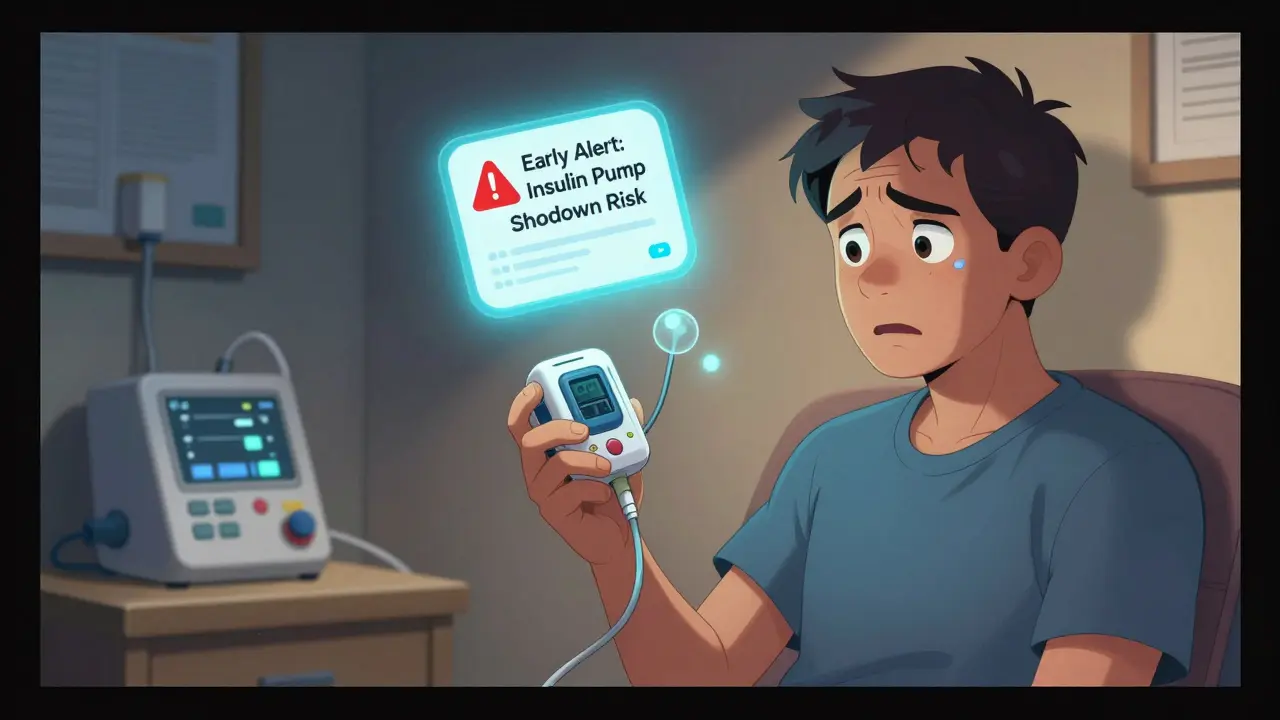
- Early Alert Communications: This is the newest and most powerful layer. Launched in a pilot in late 2024 and expanded to cover all medical devices on September 29, 2025, Early Alerts warn you about potential dangers before a formal recall is issued. The FDA knows something’s wrong, but hasn’t yet proven it meets the legal definition of a recall. These alerts include real-world details: how many injuries or deaths have been reported, what the device does wrong, and exactly what users should do. They’re written to mimic how manufacturers warn their customers-so you get practical, usable advice, not bureaucracy.
Who Should Subscribe? Everyone.
You don’t have to be a doctor or a manufacturer to benefit. Here’s who needs this most:- Patients with chronic conditions: If you use an insulin pump, a ventilator, or a joint replacement, a single alert could save your life.
- Parents of children with medical devices: Kids use hearing aids, feeding tubes, and monitors. A faulty device can be deadly.
- Healthcare providers: Nurses, pharmacists, and doctors rely on these alerts to make real-time decisions. One missed alert could mean giving a patient a recalled medication.
- Medical device manufacturers: The FDA says monitoring these alerts isn’t optional-it’s a regulatory requirement. If your product is similar to one that’s flagged, you need to act fast.
- Anyone who shops for health products: Even if you’re not using a device now, you might buy one next year. Knowing what’s been recalled helps you avoid dangerous brands.

How to Subscribe: Simple, Free, and Fast
Signing up takes less than five minutes. Here’s how:- Go to FDA.gov.
- Click on “Subscribe to FDA Safety Communications” in the top menu or search for “Enforcement Report Subscription.”
- Choose your product category: Medical Devices, Drugs, Food, or All Categories.
- Enter up to five keywords that matter to you. Examples: “metformin,” “defibrillator,” “baby formula,” “gluten.”
- Enter your email and confirm your subscription.
What You Won’t Get
Some people expect daily updates. You won’t get that. If no safety issues arise for your keywords, you won’t hear anything. That’s the point. You’re not drowning in noise-you’re getting only what’s critical. Also, these alerts don’t replace your doctor. If you get an alert about your device, call your provider. Don’t stop using it unless the FDA says to. Some alerts just say “monitor for symptoms” or “schedule a check-up.”Real-World Impact: What Happens When You Do This
In 2023, a woman in Ohio received an Early Alert about a specific insulin pump model. The FDA had received reports of unexpected shutdowns during sleep. The alert came just days after the first death was reported. She checked her pump’s serial number-matching. She called her doctor. They replaced it. She didn’t have a seizure that night. That’s the difference. Manufacturers use these alerts too. One small company in Wisconsin noticed their glucose monitor had a similar sensor to one flagged in an alert. They pulled their batch before a single customer reported an issue. They avoided a recall, protected their reputation, and saved lives.
Limitations? Yes. But No Better Option Exists
The system isn’t perfect. You have to guess the right keywords. If you search for “blood sugar monitor” but the FDA uses “glucose monitoring system,” you might miss it. That’s why it helps to know the official product names. Also, Early Alerts don’t cover food or drugs yet-only medical devices. But here’s the truth: there’s no other system that gives you this level of direct, timely, and actionable info from the agency responsible for your safety. CDC alerts? They’re about outbreaks. Local health departments? They don’t track devices. News sites? They’re slow and often wrong. The FDA’s system is the only one built for this exact purpose-and it’s getting better.What’s Next? The Future of FDA Alerts
The September 2025 expansion of Early Alerts to cover all medical devices was a major leap. Next, experts expect the FDA to integrate these alerts with electronic health records and patient apps. Imagine your insulin pump automatically checking for recalls when it connects to the cloud. Or your pharmacy app flagging a recalled medication before it’s dispensed. The FDA is also testing natural language processing to make keyword searches smarter-so if you search for “heart device,” you’ll also catch alerts for “cardiac implant” or “pacemaker.” For now, though, the best thing you can do is sign up. Use real terms. Check your email. Don’t assume someone else will tell you.Don’t Wait for a Crisis to Act
You wouldn’t ignore a fire alarm. Why ignore a safety alert that could prevent a stroke, an infection, or a death? The FDA doesn’t send these alerts to scare you. They send them to protect you. But protection only works if you’re listening. If you use any FDA-regulated product-medicine, device, food, or supplement-subscribe today. It’s free. It’s fast. And it could save your life-or someone else’s.Do FDA Safety Communications cost money?
No. Subscribing to FDA Safety Communications is completely free. There are no fees, no premium tiers, and no hidden charges. You only need a valid email address to sign up.
How often will I receive alerts?
It depends on your keywords and what’s happening in the field. Some people get alerts every few weeks; others may go months without one. If there’s no safety issue tied to your selected terms, you won’t get an email. That’s by design-you’re only getting what’s relevant.
Can I unsubscribe or change my keywords later?
Yes. Every alert email includes an unsubscribe link. You can also log back into the subscription portal at any time to add, remove, or edit your keywords. You’re in full control.
Do these alerts apply to people outside the U.S.?
Yes. The FDA sends alerts globally. If you’re using a U.S.-approved product-like a Medtronic pacemaker or a Johnson & Johnson drug-you should subscribe, even if you live in Australia, Canada, or the UK. Many international health agencies use FDA alerts as a primary source.
What if I don’t know the exact product name to use as a keyword?
Use the most common term you know. For example, if you use a “continuous glucose monitor,” try keywords like “glucose monitor,” “CGM,” or even the brand name like “Dexcom.” The system is designed to catch variations. If you’re unsure, check the FDA’s product database or ask your doctor for the official name.
Are Early Alerts the same as recalls?
No. Early Alerts come before a formal recall. They’re issued when the FDA has evidence of a serious risk but hasn’t yet determined that the manufacturer’s actions meet the legal definition of a recall. These are often the most urgent alerts because they give you a chance to act before a product is officially pulled.
Can I get these alerts via text message or app?
Currently, FDA Safety Communications are only sent via email. There is no official text or app notification system. Be cautious of third-party apps claiming to offer FDA alerts-they may be inaccurate or scams. Always verify alerts through FDA.gov.
What should I do if I get an alert about my device or medication?
Read the alert carefully. It will tell you whether to stop using the product, contact your provider, return it, or just monitor for symptoms. Don’t panic. Don’t ignore it. If it says “consult your doctor,” make that call. If it says “stop using immediately,” do it right away. The FDA includes this advice because they’ve seen what happens when people delay.


December 16, 2025 AT 14:39 PM
just signed up for the FDA alerts after reading this. i’ve got a glucose monitor and honestly had no idea this was a thing. thanks for laying it out so simply. no more guessing if my device’s about to turn into a paperweight. 🙌
December 17, 2025 AT 02:58 AM
if you use any medical device, even a dumb blood pressure cuff, you owe it to yourself to subscribe. i’m a nurse and i’ve seen people ignore these alerts until someone ends up in the ER. it’s not paranoia-it’s basic safety. five minutes now saves hours of panic later.
December 17, 2025 AT 12:54 PM
the fact that people need to be told to subscribe to a government safety system is terrifying. we’ve turned public health into a chore instead of a right. if you’re not signed up, you’re not just careless-you’re complicit.
December 18, 2025 AT 23:01 PM
bro i’m from india and i use a medtronic pump. got the alert last month about the battery glitch-saved my ass. fda’s alerts are gold. even if you’re overseas, if the device was approved in the us, it’s probably in your body. subscribe. trust me.
December 20, 2025 AT 14:24 PM
OMG YES. I just got one about my insulin pump last week. I almost didn’t check my email that day. 🥲 THANK YOU for this post. I’m telling everyone I know. 💪❤️
December 22, 2025 AT 06:43 AM
let’s be real-the FDA’s system is the only thing standing between you and a slow, bureaucratic death. you think your doctor knows every recall? please. they’re drowning in paperwork. the early alert system? it’s not perfect, but it’s the closest thing we have to a digital immune system for consumers. if you’re not subscribed, you’re basically letting a government agency gamble with your life. and guess what? they’re winning.
and don’t even get me started on how manufacturers use these alerts to preemptively pull products before the media catches wind. that’s not transparency-that’s damage control dressed as public service. but hey, at least it saves lives. ironic, right?
keyword strategy? don’t just type ‘pacemaker.’ try ‘cardiac implant,’ ‘defibrillator,’ ‘crt-d.’ the system’s dumb, but you don’t have to be. i’ve got six keywords set and haven’t missed a single alert since 2022. i even added ‘gluten’ because i’m paranoid about my wife’s celiac. yes, it’s overkill. no, i don’t care.
and if you think ‘i’ll just google it when i feel sick’-you’re the reason these alerts exist in the first place. you’re not a patient. you’re a liability.
the fact that this is still a manual process in 2025? absurd. imagine if your phone auto-checked for recalls. that’s the future. until then, subscribe. email. no app. no text. just the raw, unfiltered truth from the people who actually know what’s broken.
and if you’re one of those people who says ‘i don’t trust the government’-then you’re the exact person who needs this the most. because your distrust isn’t making you safer. it’s making you blind.
December 22, 2025 AT 20:50 PM
why the hell are we relying on some .gov email list? we’re in 2025! if i can get a notification when my toilet paper runs low, why can’t my pacemaker auto-check for recalls? this is a joke. america’s tech infrastructure is held together by duct tape and hope. and we’re supposed to be grateful for an email?
also, who the hell is ‘Sarthak Jain’? you’re in india and you’re getting FDA alerts? you’re lucky we’re even letting you use our medical tech. you should be thanking us, not just subscribing.
December 24, 2025 AT 08:19 AM
oh wow, you actually read the whole thing? congrats. you’re now officially more informed than 98% of the population. i’m sure your doctor is proud. 🎉
December 26, 2025 AT 01:49 AM
as someone who works in regulatory compliance, i can confirm: manufacturers are required to monitor these alerts. if your company doesn’t have a dedicated person tracking FDA communications, you’re already in violation. this isn’t optional-it’s a legal obligation. and yes, i’ve seen companies get fined millions because someone thought ‘we’ll check the website monthly.’ don’t be that person.