
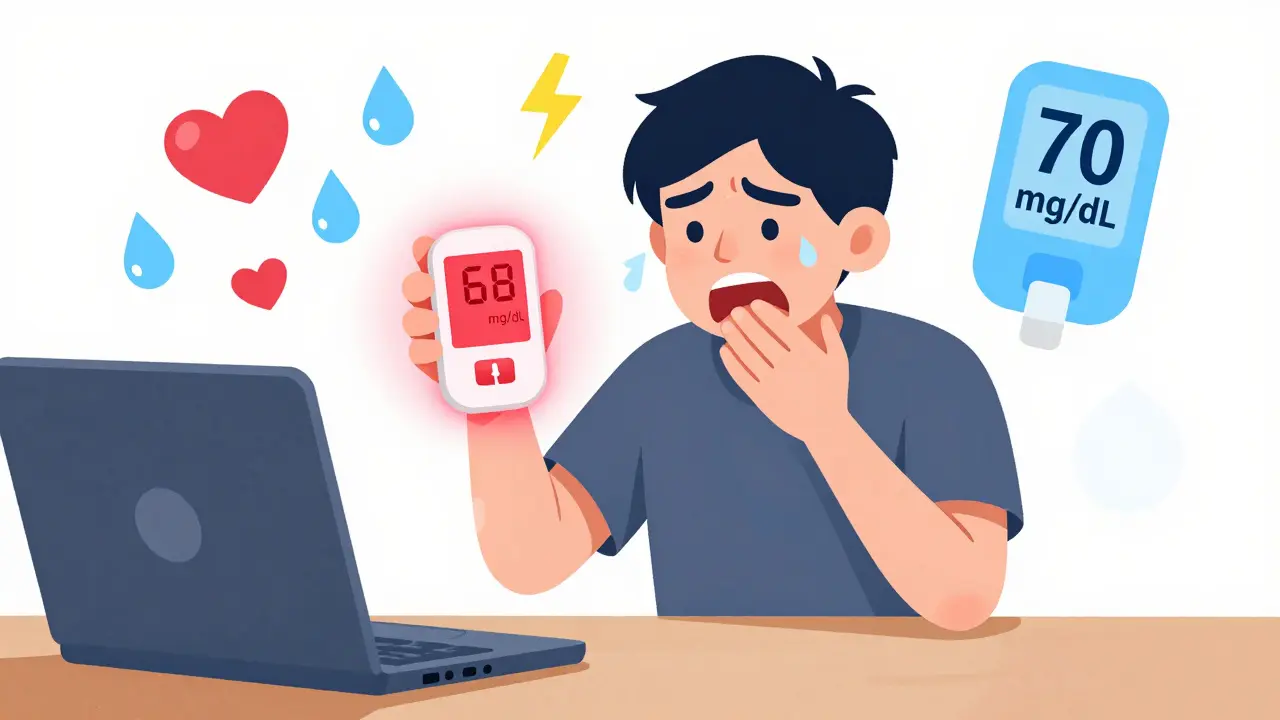
Low blood sugar, or hypoglycemia, isn't just a minor inconvenience-it can be life-threatening if ignored. For people with diabetes, especially those using insulin or certain oral medications, it’s one of the most common and dangerous side effects. But even if you don’t have diabetes, low blood sugar can happen. The key isn’t just knowing it exists-it’s recognizing the signs early, treating it fast, and stopping it before it happens again.
What Counts as Low Blood Sugar?
The medical definition of hypoglycemia is simple: blood glucose below 70 mg/dL (3.9 mmol/L). This is the threshold used by the American Diabetes Association and most U.S. clinics. But it’s not that simple. For someone without diabetes, symptoms can appear when levels drop below 55 mg/dL. And here’s the twist: some people with long-term diabetes stop feeling the warning signs altogether. That’s called hypoglycemia unawareness, and it affects about 1 in 4 Type 1 diabetes patients after 15 years of treatment.
It’s not just about the number on the meter. What matters more is how your body reacts. One person might feel shaky at 68 mg/dL. Another might feel fine until it hits 50 mg/dL. That’s why tracking your personal symptoms is just as important as checking your glucose levels.
The Two Types of Symptoms
Hypoglycemia shows up in two ways: physical and mental. These aren’t random-they’re your body’s emergency signals.
- Adrenergic symptoms come from your body releasing adrenaline. Think: sweating, shaking, rapid heartbeat, anxiety, hunger. These usually happen first. If you notice yourself suddenly drenched in sweat during a meeting, or your heart starts pounding for no reason, check your sugar.
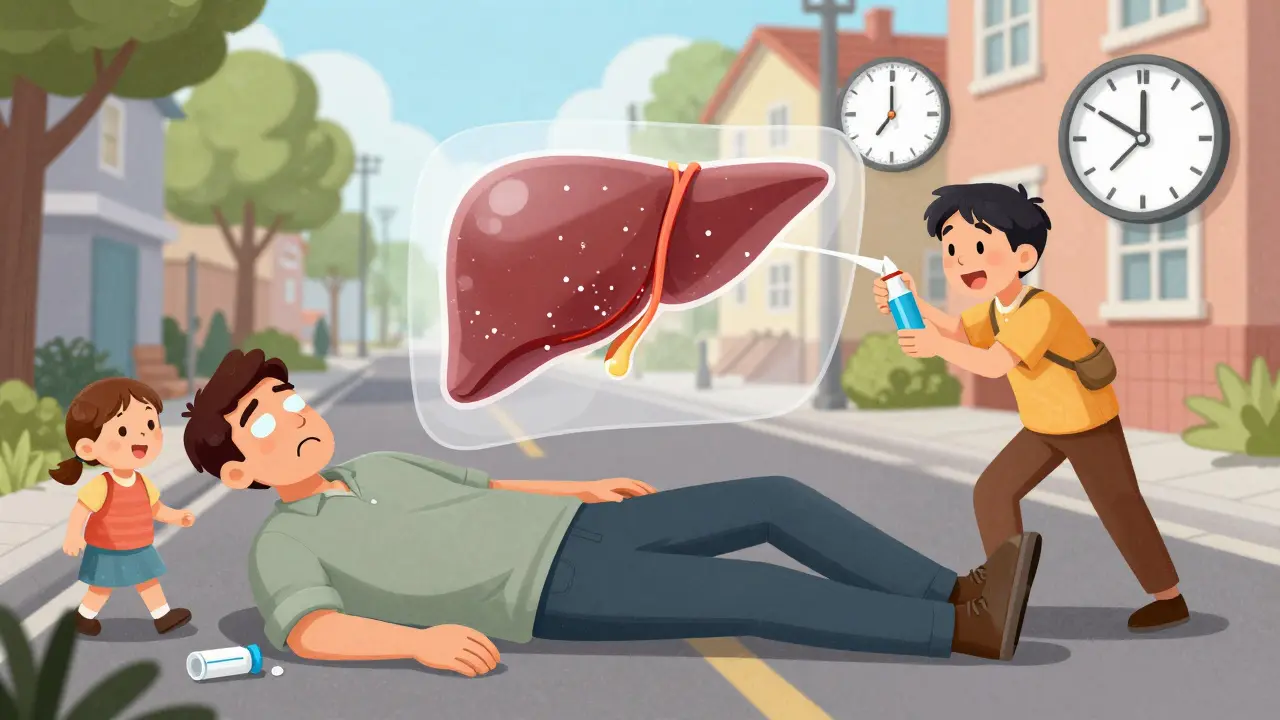
- Neuroglycopenic symptoms happen when your brain doesn’t get enough glucose. This is more dangerous. You might feel confused, have blurry vision, struggle to speak, or feel like you’re in a fog. At lower levels-below 50 mg/dL-you can lose coordination, have seizures, or pass out. At this point, you can’t treat yourself.
Here’s a real example: A 58-year-old man with Type 2 diabetes was found wandering his neighborhood, mumbling incoherently. His family thought he’d had a stroke. His glucose meter read 41 mg/dL. He didn’t have a stroke-he had a severe low. That’s why bystanders need to know the signs too.
What Causes Low Blood Sugar?
Most cases happen in people with diabetes. Here’s the breakdown:
- Too much insulin or medication-73% of episodes come from this. Taking your usual dose but eating less? That’s a recipe for a low.
- Skipping or delaying meals-Even a 30-minute delay can drop your sugar if you’re on rapid-acting insulin.
- Exercise without adjusting-A 45-minute walk or bike ride can slash your blood sugar by 30-50 points if you don’t eat extra carbs or reduce insulin.
- Alcohol-It blocks your liver from releasing stored glucose. One drink on an empty stomach can trigger a low hours later.
- CGM lag-Some glucose sensors show readings 10-20 minutes behind your real blood sugar. If your sugar drops fast, your device might still say you’re fine. That’s how someone can go from 85 mg/dL to 40 mg/dL in 15 minutes without the alarm going off.
Non-diabetics can get low blood sugar too, but it’s rarer. Two main types:
- Reactive hypoglycemia-Happens 2-4 hours after eating. Often linked to gastric bypass surgery or insulin resistance.
- Fasting hypoglycemia-Can signal serious problems like insulinoma (a rare pancreatic tumor) or liver/kidney failure.
How to Treat a Low Blood Sugar Episode
If you’re conscious and able to swallow, follow the 15-15 rule:
- Consume 15 grams of fast-acting carbs. This means:
- 4 glucose tablets
- 1/2 cup (4 oz) of fruit juice
- 1 tablespoon of honey or sugar
- 6-8 hard candies
- Wait 15 minutes.
- Check your blood sugar again.
- If it’s still below 70 mg/dL, repeat the process.
Why 15 grams? Because more than that doesn’t help faster-it just leads to a sugar spike afterward. And don’t use candy bars or chocolate. The fat slows down absorption.
But what if you can’t swallow? What if you’re passing out? Then you need glucagon.
Glucagon is a hormone that tells your liver to dump stored glucose into your blood. It comes in two forms now:
- Injection-The old-school version. Requires mixing powder and liquid. Takes 8-10 minutes to work.
- Nasal spray-FDA-approved since 2023. One puff into the nose. Works in 10 minutes. No needles. No mixing. This is now the first-line emergency treatment.
Every person with diabetes on insulin should have glucagon on hand-and so should their family, coworkers, and friends. Training takes 15 minutes. You can learn it on YouTube or through your pharmacist. Don’t wait until it’s too late.
Prevention: It’s All About Planning
Most lows are preventable. Here’s how:
- Carry fast-acting carbs everywhere-Keep glucose tabs in your purse, car, and work desk. Don’t rely on your phone to remind you.
- Check before you drive-Your blood sugar needs to be above 70 mg/dL to drive safely. At 50 mg/dL, your reaction time is as impaired as someone with a 0.08% blood alcohol level. That’s legally drunk.
- Adjust for exercise-If you’re going to be active for more than 45 minutes, reduce your insulin dose by 20-50% or eat 15-30g of carbs before and during.
- Use continuous glucose monitoring (CGM)-CGMs reduce severe lows by 35%. Set alerts at 70 mg/dL and 55 mg/dL. Some newer systems automatically pause insulin delivery if your sugar starts dropping too fast.
- Don’t drink alcohol on an empty stomach-If you drink, eat a meal with protein and carbs. And check your sugar before bed.
- Teach people around you-Your partner, coworkers, kids. Show them the symptoms. Show them how to use glucagon. Keep a note on your phone: “If I’m confused or unconscious, give me glucagon.”
Special Cases: Nighttime and Older Adults
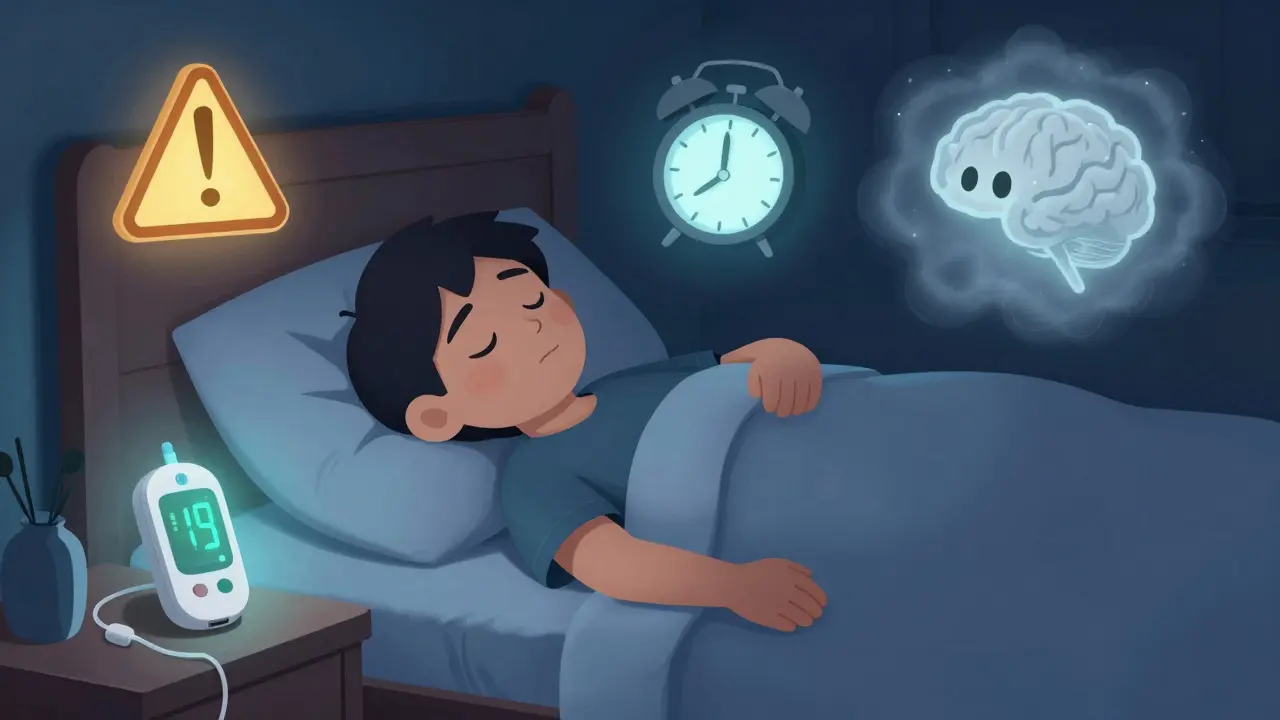
Nocturnal hypoglycemia-low blood sugar while sleeping-is one of the scariest. You don’t feel it. You might wake up sweaty, with a headache, or with a racing heart. Or you might not wake up at all. It’s linked to the “dead-in-bed” syndrome, which accounts for 6% of unexpected deaths in young Type 1 diabetics.
Older adults (65+) often don’t show classic symptoms. Instead, they might fall, get confused, or act like they have dementia. That’s why doctors sometimes misdiagnose hypoglycemia as Alzheimer’s. If an elderly person starts having unexplained confusion or falls, check their blood sugar before assuming it’s neurological.
What Doesn’t Work
There are myths out there that can hurt you:
- “I’ll just eat more sugar next time.”-Overcorrecting leads to rollercoaster highs and lows. It makes your body less sensitive to warning signs.
- “I can’t use CGM-it’s too expensive.”-Many insurance plans now cover CGMs. And the cost of one ER visit for a severe low is more than a year’s worth of sensors.
- “I’ve had diabetes for years-I know my body.”-Hypoglycemia unawareness creeps up slowly. You won’t notice until you’re in trouble.
Technology Is Changing the Game
Just in the last two years, new tools have made a huge difference:
- Predictive low-glucose suspend systems-Devices like the Guardian 4 can stop insulin delivery before your sugar hits 70 mg/dL. They reduce nighttime lows by 49%.
- Artificial pancreas systems-Tandem Control-IQ automatically adjusts insulin based on your glucose trends. It cuts time below 54 mg/dL by 3.3 hours per week.
- Dasiglucagon nasal spray-Approved in 2023, it works faster and more reliably than older glucagon.
These aren’t futuristic ideas-they’re available now. If you’re on insulin, ask your doctor if you qualify for one.
The Bigger Picture
Hypoglycemia costs the U.S. healthcare system over $13 billion a year. Most of that is from emergency visits, hospital stays, and lost workdays. But it’s not just money. It’s sleep lost. Confidence shaken. Fear of driving, working, or being alone.
The good news? You can take control. Learn your symptoms. Carry treatment. Teach others. Use the tools that work. You don’t have to live in fear of a low. You just need to be prepared.
What are the first signs of low blood sugar?
The earliest signs are usually physical: sweating, shaking, a fast heartbeat, hunger, or anxiety. These are caused by adrenaline release when your body senses low glucose. If you notice any of these, check your blood sugar immediately-even if you don’t feel “bad.”
Can you have low blood sugar without having diabetes?
Yes, though it’s rare. Non-diabetic hypoglycemia can happen after meals (reactive) or during fasting. Reactive low blood sugar may follow gastric bypass surgery or occur in people with insulin resistance. Fasting lows can signal serious conditions like insulinoma or liver disease. If you’re not diabetic but have frequent lows, see a doctor for testing.
Why does my glucose meter show a normal number but I feel like I’m having a low?
This is called “relative hypoglycemia.” If your blood sugar drops quickly-even from 120 mg/dL to 75 mg/dL-your body reacts like it’s crashing. Your brain doesn’t know the difference between a sudden drop and a true low. It’s why some people feel shaky at 70 mg/dL even if that’s technically normal for them. Always treat symptoms, not just numbers.
How long does it take to recover from a low blood sugar episode?
With proper treatment (15g fast carbs), most people feel better in 10-15 minutes. But it can take 30-60 minutes for full recovery, especially if you’ve had a severe low. Don’t rush back to normal activities. Rest, recheck your sugar, and eat a snack with protein and complex carbs to stabilize it.
Is glucagon only for emergencies?
Yes-glucagon is for severe hypoglycemia when you can’t swallow or are unconscious. It’s not meant for mild lows. If you’re alert and able to eat, use fast-acting carbs instead. Glucagon can cause nausea and vomiting, so it’s only used when absolutely necessary. Keep it accessible, but use it only when you can’t treat the low yourself.


February 24, 2026 AT 08:50 AM
Okay but like... I had a low at 3am and woke up sobbing because my heart was pounding and I couldn't move? Like, why is no one talking about the emotional terror of hypoglycemia?? It's not just a number-it's pure panic. I cried for 20 minutes after I got my glucose up. And then I felt guilty for being dramatic. But it's REAL. I need a support group for people who feel like they're dying every time their sugar dips below 70.
February 25, 2026 AT 23:12 PM
Finally someone who gets it. I've been managing Type 1 for 18 years and yes, hypoglycemia unawareness is real. I stopped feeling the shakes after year 12. Now I rely on my CGM like it's my third arm. And guess what? I trained my whole office on glucagon. No one panics anymore. We keep a nasal spray in the breakroom next to the coffee. It's not weird-it's smart. If you're on insulin, this isn't optional. It's your lifeline.
February 27, 2026 AT 07:32 AM
Just wanted to say-carrying glucose tabs in your purse, car, and work drawer changed my life. I used to keep them in a drawer at home. Then I had a low at the grocery store. I had to sit on the floor and cry while people stared. Now? I have a little pouch. Glucose tabs, a snack, and a note that says 'I'm not drunk, I'm low.' It's saved me twice. You don't need to be a superhero. Just be prepared. And if you're reading this and you have diabetes? Do it. Today.
February 28, 2026 AT 14:38 PM
Everyone's acting like this is some groundbreaking revelation. Newsflash: people have been dying from low blood sugar since insulin was invented. You think your CGM is magic? It's just a glorified alarm clock. And glucagon? That's been around since the 80s. Stop acting like you're pioneering something. The real problem? People don't take responsibility. You want to avoid lows? Stop eating carbs like they're going out of style. Stop drinking. Stop being lazy. It's not rocket science. It's basic biology.
March 1, 2026 AT 05:24 AM
I live in India and I see so many people with diabetes who don't even know what hypoglycemia is. They think sugar is always good. When they feel dizzy, they eat more sweets. It's heartbreaking. I've started teaching simple workshops in my community-just 15 minutes, no fancy tools. We use jaggery, bananas, and coconut water. No glucose tabs needed. It's about adapting knowledge to context. You don't need a high-tech device to stay alive. You need awareness.
March 3, 2026 AT 00:42 AM
Been there. Felt that. I used to ignore the shakiness. Thought it was just nerves. Then I passed out in the shower. Took 20 minutes for my roommate to figure out what was wrong. Now I have a sticker on my fridge: 'If I'm silent, check my sugar.' It's not dramatic. It's necessary. And yeah, CGM lag is real. My device showed 80, I felt like I was going to die. Turned out I was at 48. Trust your body more than your gadget.
March 4, 2026 AT 09:33 AM
So let me get this straight... you're telling me that if I'm a diabetic and I don't want to die, I have to carry tiny sugar tablets everywhere? Like a toddler with a pacifier? And I need to teach my coworkers how to use a nasal spray like it's a vape? I'm sorry, but I'm not a nurse. I'm a person. Maybe if people didn't eat so much damn sugar in the first place, this wouldn't be an issue. Just saying.
March 5, 2026 AT 21:12 PM
Glucagon nasal spray is the future. But let's be real-most people who need it don't have it. Why? Because they're too lazy. Or too broke. Or too proud. And now we're supposed to celebrate a 10-minute fix like it's a miracle? Newsflash: your body is a machine. If you're running on fumes, that's on you. Stop romanticizing survival. Just manage it. Or stop complaining.
March 6, 2026 AT 12:07 PM
As an Indian woman who's seen relatives die from mismanaged diabetes, I have to say-this post is a godsend. In our culture, we think sugar is medicine. When someone faints, we give them jaggery and tea. But sometimes, that's the worst thing you can do. I started teaching my family about the 15-15 rule. We keep honey packets in our pockets now. It's not about being modern. It's about being alive.
March 8, 2026 AT 09:30 AM
Biggest game-changer for me? The predictive low suspend. I used to wake up at 3am drenched in sweat. Now? My pump pauses insulin before I even know I'm dropping. I slept through the night for the first time in 7 years. It's not perfect. But it's progress. And if you're on insulin and you're not using tech like this-you're doing it the hard way. There's no shame in using tools. It's not cheating. It's surviving.
March 8, 2026 AT 23:56 PM
Let me just say... I read this whole thing. Took me 47 minutes. And honestly? It's a lot. Like, a LOT. I get that low blood sugar is dangerous. But do we really need 12 subsections? A whole section on 'What Doesn't Work'? Like, I get it-you're passionate. But this feels like someone wrote a textbook and then said 'I'm gonna post it on Reddit.' I just wanted to know how to treat a low. Not the history of glucagon. Not the socioeconomic impact. Not the cultural implications. Just. The. Basics.
March 9, 2026 AT 09:41 AM
My ex said I was 'too dramatic' when I said I almost died from a low. He thought I was just being emotional. I had to show him the ER bill. $8,200. For a 3-hour stay. He didn't speak to me for a month. Now he keeps glucagon in his glovebox. Funny how fear changes people. Don't let anyone tell you your symptoms aren't real. Your body doesn't lie. Even if your ex does.
March 9, 2026 AT 17:21 PM
For anyone reading this and thinking 'I don't need all this'-here's the truth: hypoglycemia doesn't care how long you've had diabetes. It doesn't care if you're 'good' at managing it. It doesn't care if you're 'just a little low.' It only cares if you're alive. I've seen people go from 'I'm fine' to 'I'm unconscious' in 12 minutes. That's faster than you can call 911. Carry the tabs. Teach the people. Use the tech. It's not extra. It's essential.
March 10, 2026 AT 17:16 PM
Just a quick note: if you're a parent of a kid with diabetes, please, please, please teach them to say 'I'm low' out loud. My daughter used to hide it because she didn't want to be 'different.' Now she carries her own glucose tabs and tells her teacher every morning. She's 9. She's brave. You can be too.