
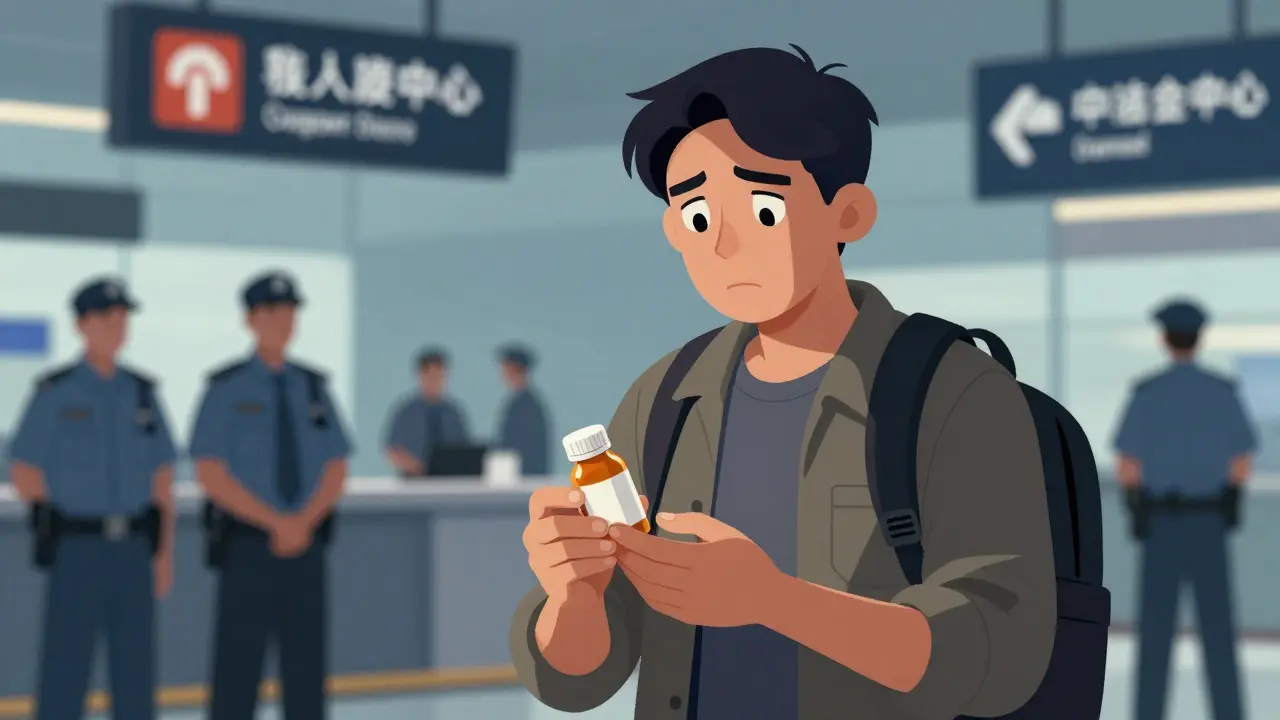
Imagine standing at a border checkpoint, clutching your essential medication, only to realize your prescription isn't valid here. This nightmare scenario happens more often than people admit. Navigating international prescription transfers is rarely straightforward because pharmaceutical laws don't respect national borders the way tourism brochures suggest. Whether you are a frequent traveler, an expatriate settling into a new home, or planning a long-awaited trip, understanding how to move your medicines legally and safely is critical.
The landscape of International Prescription Transferthe regulatory process of validating and dispensing a prescription issued in one country within another jurisdiction is fragmented. There is no single global law governing this. Instead, you face a patchwork of national regulations, regional agreements, and strict customs policies that can change overnight. One wrong assumption could lead to confiscated drugs or, worse, legal trouble at customs. The key is preparation and knowing exactly which documents authorities require before you even pack your bag.
Understanding the Regulatory Frameworks
Before attempting any transfer, you must recognize that different regions operate under completely distinct systems. It is not enough to simply bring a bottle of pills with a doctor's note; the legal framework determines whether that note holds weight.
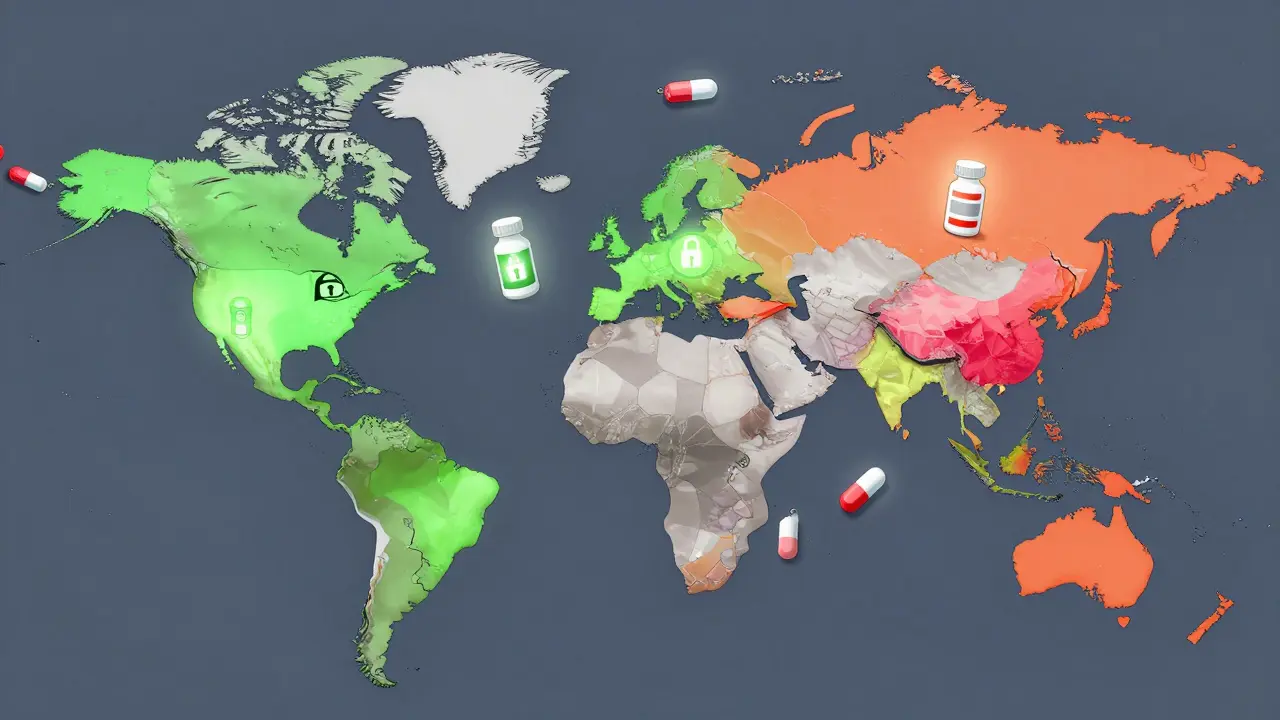
In the United States, the Drug Enforcement Administrationa U.S. federal agency responsible for enforcing controlled substance laws and regulating the distribution of medications (DEA) sets strict boundaries. As of the final rule effective August 2023, electronic transfers of controlled substances are permitted domestically within the U.S. However, this convenience stops abruptly at the border. For international moves, the rules revert to older protocols requiring patients to return to their prescriber or undergo a new consultation.
Contrast this with the European Union Pharmaceutical Marketa unified regulatory environment allowing mutual recognition of prescriptions across member states. Under the EU's mutual recognition framework, a prescription written in France is theoretically valid in Spain or Germany. While you might encounter issues regarding brand availability-where your specific brand of antihypertensive isn't stocked locally-the core validity of the prescription generally holds true within the bloc. This seamless internal transfer highlights why leaving the EU creates immediate friction.
For travelers heading to destinations like China or nations in the Middle East, the dynamic shifts again. These jurisdictions often do not recognize foreign prescriptions regardless of the issuing authority. You aren't just transferring a script; you are entering a system where local oversight is paramount for safety and control.
| Region / Jurisdiction | Transfer Policy | Controlled Substance Rules | Documentation Needed |
|---|---|---|---|
| United States (Domestic) | Electronic transfer permitted (One-time only) | Strictly regulated by DEA | Electronic record annotation |
| European Union | Mutual recognition of prescriptions | Nationally regulated but mutually accepted | Standard prescription form (common name) |
| Canada | Cosigning required for foreign scripts | Provincial restrictions apply | Original Rx + Physician endorsement |
| Middle East / Asia | Limited recognition; often requires local script | Extremely restrictive on psychotropics/opioids | Medical diagnosis letter + Travel necessity |
Step-by-Step Process for International Transfers
If you need to secure medication while outside your home country, follow this practical workflow. Rushing this process usually leads to rejections, especially when dealing with Controlled Substancesmedications with abuse potential such as opioids, stimulants, and benzodiazepines subject to special tracking.
- Contact Your Home Pharmacist First: Ask if they can coordinate directly with a pharmacy abroad. Some large chains or specialized services maintain partnerships that allow for "cosigning." However, expect pushback. Many U.S. pharmacies refuse to transmit data to foreign entities due to liability concerns.
- Secure a Letter of Medical Necessity: This document goes beyond a standard refill slip. Your doctor must clearly state your diagnosis, the generic name of the medication, the dosage, and why you cannot stop taking it during travel. In jurisdictions like Saudi Arabia or Japan, this letter is non-negotiable.
- Prepare for Local Authorization: Most countries require a local practitioner to validate the medication. In Canada, for instance, you cannot simply walk into a pharmacy with a U.S. prescription. A local physician must review your history and issue a Canadian prescription, effectively "transferring" it through a cosignature process. Bring your original signed prescriptions to facilitate this review.
- Verify Importation Limits: Even if you bypass the transfer hurdle, you are bringing medicine into a country. Customs agencies, like U.S. Customs and Border Protectionthe agency controlling goods and passengers entering the United States, typically limit personal supplies to 90 days. Anything exceeding this looks like commercial smuggling rather than personal use.
- Carry Original Packaging: Never leave medications in unlabeled bags. Keep bottles in their original pharmacy dispensing containers with the label intact. This proves the medicine matches the prescription you are presenting.
Navigating Specific Country Scenarios
The path you take depends entirely on your destination. Let's look at two high-traffic corridors that present unique challenges.
The United States to Canada Corridor
This route generates significant confusion. Despite proximity, U.S. prescriptions are not legally valid in Canadian provinces. Patients often try to call ahead to a Canadian pharmacy expecting a direct transfer. The answer is almost always "no." To succeed, you must utilize the Pharmacy Verification Servicea third-party organization facilitating communication between foreign doctors and local pharmacists. Services like PharmacyChecker act as intermediaries, connecting your U.S. health provider with a Canadian physician who then reviews your file and issues a compliant local prescription. Without this step, a Canadian pharmacist is operating outside provincial law by dispensing based solely on a foreign order.
The United States to EU Corridor
Traveling from the U.S. to the Schengen Area introduces different hurdles. While EU countries accept each other's prescriptions, they do not automatically accept U.S. ones. However, there is flexibility. You can often present your original U.S. prescription alongside a translation (usually French, German, or the local language). The local pharmacist may agree to dispense a limited quantity of medication as a "compassionate release" or emergency fill, but this relies heavily on the individual pharmacist's judgment and the drug's classification. If you are carrying controlled substances (like ADHD medication), you must check the specific country's import list beforehand.
Tropical and Emerging Markets
Visiting developing nations often means navigating the strictest barriers. Authorities in places like Thailand, India, or Dubai scrutinize medications heavily to prevent the illicit trade of addictive substances. Bringing in powerful painkillers or psychiatric meds without a notarized letter can result in immediate detention. Always carry a copy of your passport attached to your medical records. Verify if the destination country requires a visa or special permit specifically for bringing narcotics.
Risks of Improper Transfers
Attempting to shortcut these procedures carries real consequences. Mislabeling a prescription is easy, but doing so risks being accused of drug trafficking. Customs agents are trained to spot discrepancies between pill counts and travel duration. If you arrive in a new country with a month's worth of medication but plan to stay for six months, you risk seizure.
Furthermore, the discrepancy in naming conventions poses a safety risk. A drug known by its generic name in one country might be sold under a proprietary brand name elsewhere. Relying on memory alone when showing a pharmacist a photo of your old bottle is dangerous. They might substitute an unsafe alternative if the therapeutic equivalence isn't verified. This is why Healthcare Consultationprofessional advice obtained prior to travel to mitigate medical risks is vital. Organizations offering travel medicine consultations can verify compatibility, ensuring the local equivalent matches the strength and formulation of your home medicine.
Beyond legalities, there is the financial aspect. Without a valid local prescription, insurance companies will almost certainly deny claims. You become responsible for the full cost of the medication abroad. Since prices vary wildly globally, you might find yourself paying double or triple the cost of your regular monthly supply if you rely on tourist pharmacies.
Preparing Your Documentation Kit
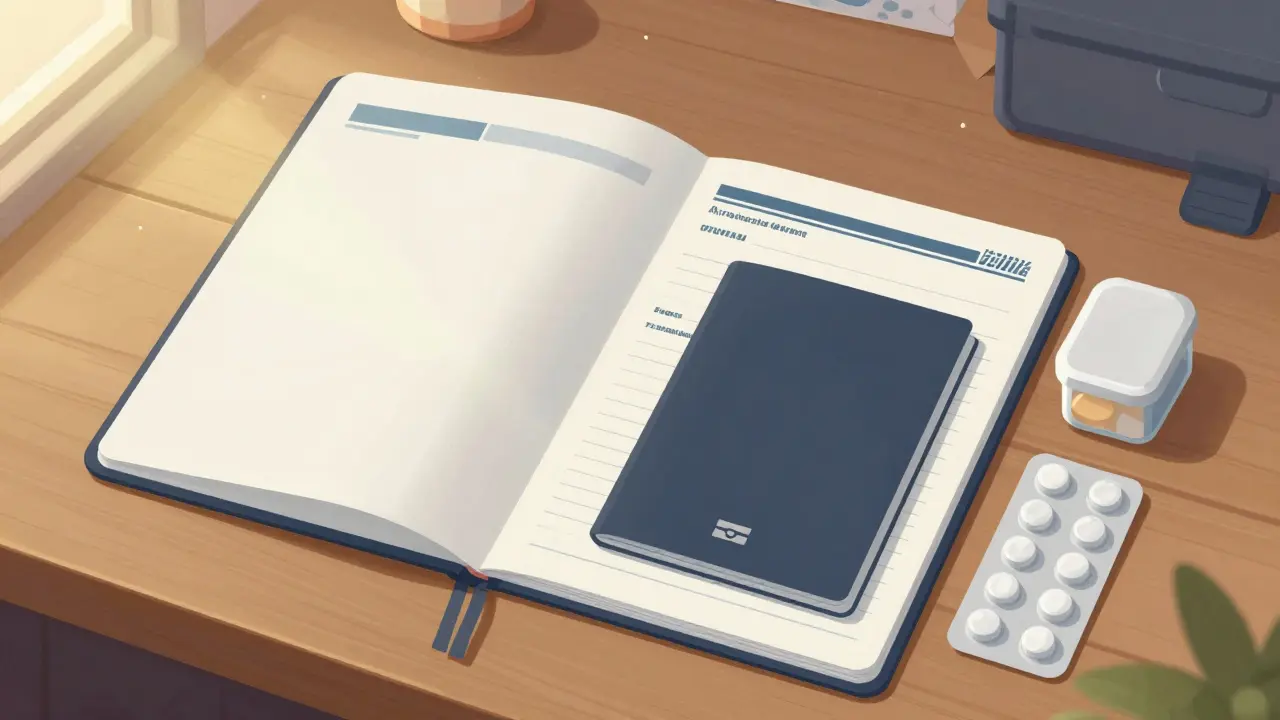
To minimize stress, create a dedicated folder for your medical documents. Before leaving home, assemble the following:
- Primary Prescription: Original signed script from your prescribing doctor.
- Letter of Medical Necessity: Typed on clinic letterhead, listing diagnosis, generic names, dosages, and contact info for verification.
- Photocopies: Keep digital copies in cloud storage and physical copies in separate luggage compartments.
- Translation Card: Translate the medication names and your condition into the local language if you speak little else. A simple card stating "I take this for heart failure" helps if you cannot explain verbally.
- Contact Info: Phone numbers of both your home doctor and your travel insurer's emergency line.
Do not forget to check expiration dates. Bringing expired medication into a country is often grounds for confiscation, regardless of the prescription status. If you anticipate a long stay, calculate the refills carefully to match your arrival and departure dates.
Frequently Asked Questions
Can I mail my prescription medication to me while traveling abroad?
Generally, no. Mailing controlled substances internationally is prohibited by most customs regulations due to lack of oversight. Shipping medication is risky because packages go through cargo screening where temperature controls and handling might compromise the drugs. Always carry your medication in your carry-on luggage to ensure access and avoid loss, but declare it to customs upon arrival if required.
Is a translated prescription mandatory?
It depends on the destination. In English-speaking countries, translation isn't required. However, for countries like China, Russia, or Brazil, local authorities often demand a translation of your medical documents. Carrying an official translation or using apps to translate your medication labels can prevent delays at pharmacies and borders.
What are the rules for bringing Adderall into Europe?
Adderall contains amphetamine salts, classified as a controlled substance in many European nations. Rules vary significantly; some countries prohibit it entirely while others require a special permit. You must contact the embassy of your destination country to confirm if your specific medication is restricted or banned. Simply having a U.S. prescription is rarely sufficient for entry with Schedule II drugs.
How much medication can I legally bring?
Most countries adhere to a "personal use" limit, typically defined as a 90-day supply. Bringing more than this amount implies intent to sell or distribute. Stick to a quantity that reasonably matches your travel duration. If you have a long-term stay, consult customs regulations or obtain a local prescription to replenish your stock legally.
Does my U.S. health insurance work for foreign refills?
Almost never. Domestic health plans cover U.S. providers only. You will likely pay out-of-pocket for international refills. Some travel insurance policies reimburse for emergency medical needs, including necessary meds, but standard PPO or HMO plans do not recognize foreign pharmacy receipts. Budget for these costs independently.



March 28, 2026 AT 10:40 AM
I was terrified to travel with my insulin last summer until I found resources like this 🎒😊 The paperwork is definitely daunting but knowing what they want helps so much 💊 It feels safer when you have the right letter from your doctor printed out three times ✈️😷 People really underestimate how strict customs can be about controlled substances ⚠️ It is great you broke down the regional differences clearly 🌍 Everyone should know their rights before stepping onto that plane ✈️🛂 Just hope nobody gets stuck in legal limbo because of confusion 🙏 We all want to stay healthy while exploring the world 🌏💪 Thanks for sharing this vital info so we don't get stressed 📝😅 Keep us posted on any updates to the rules 🆕📢 Safety first always 🛡️💙 Love reading these detailed guides 📖✨
March 28, 2026 AT 15:42 PM
Your reliance on emotional reassurance overlooks the cold hard facts of international law most people lack basic comprehension of bureaucracy the document requirements are not suggestions they are mandates compliance is key not feelings you need to understand the actual regulatory framework not just feel good about packing pills the system is designed for security not convenience stop treating this like a vacation checklist
March 28, 2026 AT 19:52 PM
Traveling with meds is serious work and preparation saves you trouble later. Many folks skip the basics and pay the price at customs lines eventually. You need a letter from your original doctor on official letterhead paper always. Generic names must match the local pharmacy stock perfectly every time. Brand names vary so checking therapeutic equivalents is crucial step one. Controlled substances need special permits that take weeks to process sometimes. Do not assume your home insurance covers costs overseas at all ever. Always carry the meds in your personal bag never in checked luggage. Labels should be intact and in the original container from the pharmacy. Expired drugs get confiscated immediately by border control agents usually. Bring digital copies to cloud storage in case physical copies get lost somehow. Check expiration dates before you book your flight ticket online. Verify importation limits for the specific country you intend to visit soon. Ninety days is often the max limit for personal use supplies legally. Customs agents look at pill counts versus travel duration closely today. If you stay six months you cannot just bring a week supply. Plan refills carefully or risk seizure of your essential medication inventory. Never attempt to mail medication internationally as it is illegal mostly. Local physician endorsement might be required depending on jurisdiction rules. Read all sections of this guide before you even pack your suitcase fully. Understanding the rules keeps you safe and compliant everywhere you go. Be proactive about medical documentation to avoid detention issues completely. This advice could save someone from legal trouble in a foreign land. Good luck to anyone planning an extended trip with necessary prescriptions. Stay safe and organized during your international health journey.
March 28, 2026 AT 23:55 PM
It is infuriating that adults cannot figure out these protocols without being told hand over fist repeatedly. You would think basic research is common knowledge yet people wander into borders unprepared. The lack of foresight shown by travelers regarding medication is appalling to witness. Customs officers are not paid to educate the public on import regulations properly. Bringing unverified prescriptions risks your freedom and potential criminal charges immediately. People complain about difficulty when they simply refused to read the guidelines earlier. Ignorance of the law does not protect anyone from the consequences of smuggling attempts. You must secure your own medical logistics before expecting others to fix your mess. This negligence threatens safety standards globally for legitimate patients who follow rules. Stop blaming the system for your inability to manage personal healthcare documentation.
March 29, 2026 AT 21:18 PM
While your anger stems from genuine frustration the situation requires nuanced navigation rather than hostility alone. The bureaucratic odyssey involves complex layers of regulation that overwhelm the average traveler quickly. Navigating these pharmaceutical labyrinths demands patience and colorful strategies beyond mere compliance. One false step in the nomenclature can ruin a pleasant holiday destination permanently. We must advocate for clearer frameworks but accept current limitations pragmatically today. Empathy remains essential when discussing medical access disparities across different nations globally.
March 30, 2026 AT 16:16 PM
thats super helpfull for ppl going on trips now.
March 31, 2026 AT 20:35 PM
omggg this scard me lol almost got depprted last year bc i didint bring proper papers and they thought i was selling drugs in my bag i cried so bad at the airport gate waiting for hours while they xrayd my whole suitcase and called my doctor back stateside it was a nightmare for real trust me dont risk it like that man
April 1, 2026 AT 17:21 PM
Its a lot of red tape but knowing what is needed makes the process manageable for everyone involved in travel medicine scenarios.
April 3, 2026 AT 13:47 PM
Exactly!! That is why preparation is paramount!!! You absolutely must verify all details beforehand!!! Do not skip a single step!!! It ensures a smooth passage through customs!!! Please keep these documents safe!!! Organization leads to success!!! Thank you for the reminder!!! Health is priority one always!!!