
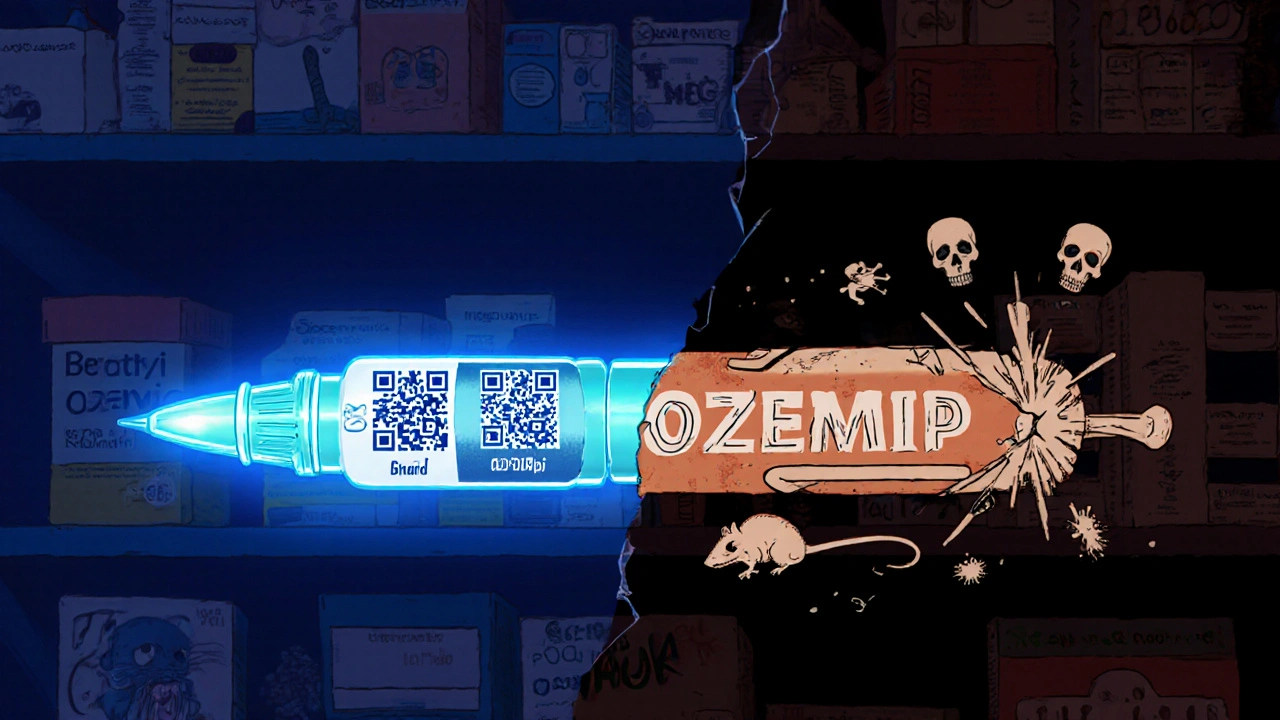
Counterfeit generics are fake versions of cheap, off-patent drugs that can contain no active ingredients or dangerous toxins. Learn how to spot them, where to buy safely, and what to do if you suspect you’ve been sold a fake.
Verify Medications: How to Check Safety, Authenticity, and Interactions
When you verify medications, the process of confirming a drug’s identity, source, and safety before use. Also known as medication validation, it’s not just for pharmacists—it’s something every patient should do to avoid harm. Too many people assume their pills are safe just because they came from a pharmacy or were ordered online. But counterfeit drugs, mislabeled generics, and hidden interactions are real risks. You might be taking a fake version of your blood pressure pill, or mixing a supplement with a prescription that could stop it from working—or worse, cause a dangerous reaction.
Verifying medications isn’t about checking labels alone. It’s about understanding how your drugs interact with others. For example, acid-reducing medications, like PPIs and H2 blockers used for heartburn can block the absorption of antibiotics, antifungals, or even thyroid meds. Or consider benzodiazepines, such as Xanax or Valium, used for anxiety—mixing them with alcohol or opioids can slow your breathing to dangerous levels. Even something as simple as Ginkgo Biloba, a common herbal supplement for memory, can increase bleeding risk when taken with blood thinners like warfarin. These aren’t rare edge cases. They’re everyday dangers hiding in plain sight.
It’s not just about what’s inside the pill—it’s about where it came from. With online pharmacies and global supply chains, foreign manufacturing, where 80% of active drug ingredients are produced, means your medicine might have traveled through multiple countries before reaching you. That increases the chance of contamination, incorrect dosing, or fake packaging. You need to know how to spot red flags: prices that seem too good to be true, packaging that looks off, or pills that look different from your last refill. And don’t forget to check if your generic drug is actually bioequivalent—some e-pharmacies sell versions that don’t work the same as brand-name drugs.
Verifying medications also means talking to your provider about everything you take—not just prescriptions. OTC medications, like pain relievers and cold pills, and dietary supplements, including vitamins, herbs, and weight-loss products, can clash with your main drugs. Most people don’t mention them because they think they’re harmless. But that’s exactly how dangerous interactions happen. A single unreported supplement could be why your blood sugar dropped overnight or why your blood thinner stopped working.
There’s no single app or tool that can verify everything for you. But you can learn the basics: check the FDA’s drug database, compare prices across trusted sources like GoodRx, and always ask your pharmacist to confirm the pill’s imprint and color. If something feels off, it probably is. The goal isn’t to scare you—it’s to give you power. You don’t have to be an expert to protect yourself. You just need to ask the right questions and know where to look. Below, you’ll find real-world guides that show you exactly how to check your meds, spot fake drugs, avoid deadly combos, and make smarter choices with your health.