
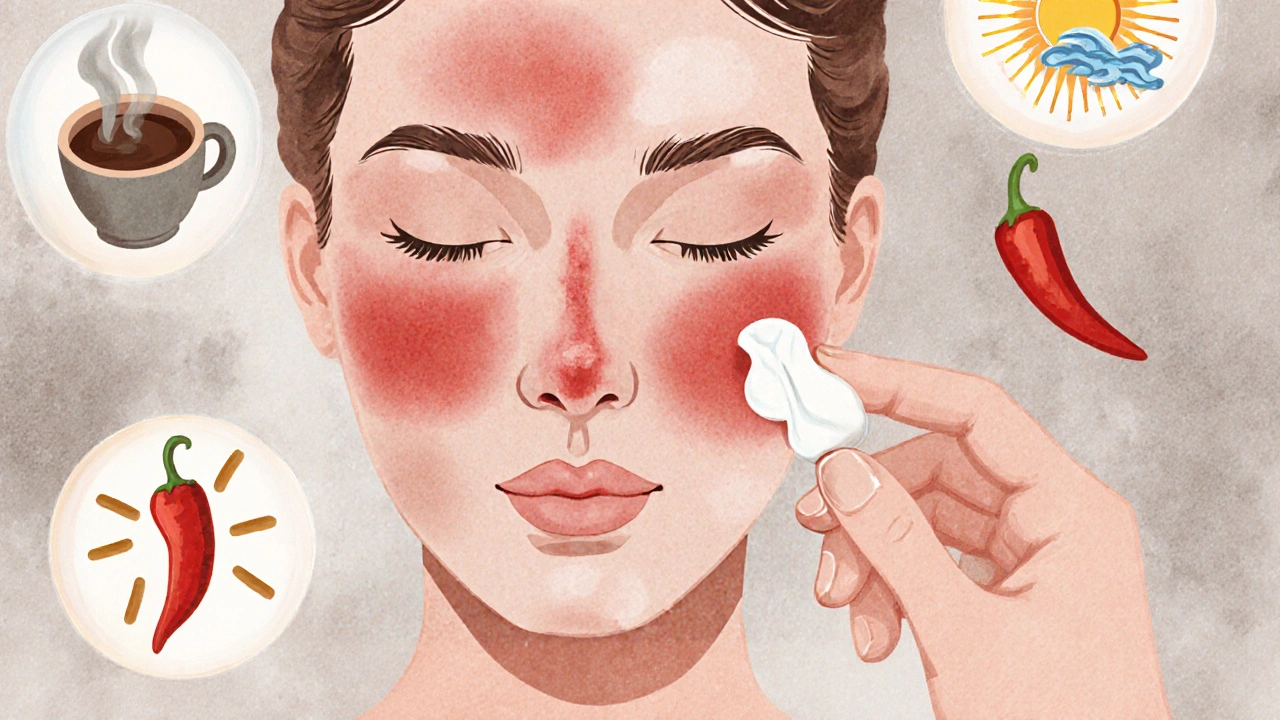
Rosacea causes persistent facial redness and bumps. Topical antibiotics like metronidazole and ivermectin reduce inflammation and Demodex mites, but results take weeks. Learn how to use them right and manage triggers.
Topical Antibiotics: What They Are, How They Work, and When to Use Them
When you get a small cut, scrape, or minor skin infection, topical antibiotics, antibiotic formulations applied directly to the skin to kill or slow bacteria. Also known as antibiotic ointments or creams, they’re meant to stop infection before it spreads—without affecting your whole body. Unlike pills that go through your bloodstream, these go straight to the spot that needs help. But they’re not magic. Many people use them out of habit, thinking more is better. That’s not true—and it’s becoming dangerous.
Skin infections, bacterial conditions like impetigo, infected cuts, or folliculitis that often respond to topical treatment are common, but not all need antibiotics. Redness, swelling, or pus might look serious, but sometimes your body clears it on its own. Overusing topical antibiotics, especially without a clear diagnosis, fuels antibiotic resistance, when bacteria evolve to survive common drugs, making treatments less effective. This isn’t just a hospital problem. It’s happening in your medicine cabinet. Studies show that up to 40% of over-the-counter antibiotic creams are used unnecessarily—on burns, acne, or even rashes that aren’t bacterial at all.
Not all topical antibiotics are the same. Neomycin, mupirocin, and bacitracin are the most common. Mupirocin works well for MRSA infections on the skin, while bacitracin is often used for minor wounds. But neomycin? It’s a top cause of allergic skin reactions. People think it’s gentle because it’s in first-aid kits, but it’s one of the most irritating. If your skin gets worse after using it, you’re not getting better—you’re having a reaction.
Topical antibiotics are most useful when you have a confirmed bacterial infection and a clean wound. They’re not for acne, eczema flare-ups, or viral infections like cold sores. And they’re not for long-term use. Using them for more than a week without a doctor’s advice can lead to resistant strains or fungal overgrowth. Even something as simple as applying it to a healing cut every day for two weeks can backfire.
You’ll find these in drugstores, online, and even in some first-aid kits sold as "antibacterial." But here’s the thing: most minor wounds heal fine with just clean water and a bandage. Antibiotic creams add cost, risk, and resistance without real benefit in many cases. If you’re using one daily because you’re worried about infection, you’re probably doing more harm than good.
The posts below cover real-world cases where topical antibiotics helped—or made things worse. You’ll see how they interact with other meds, why some people develop allergies without knowing it, and how overuse in homes and clinics is quietly changing how we treat skin. There’s also advice on when to skip them entirely and what to use instead. No fluff. Just what works, what doesn’t, and what you need to know before you reach for that tube again.