
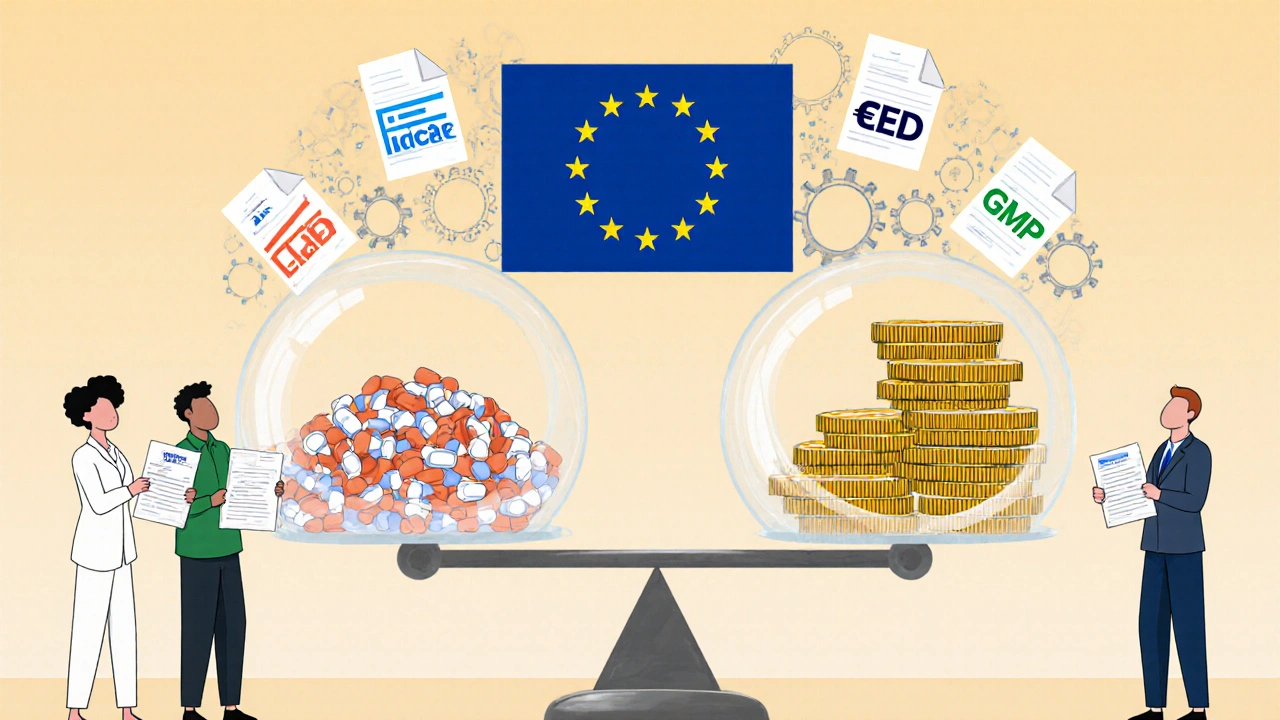
Europe's tendering systems ensure fair, transparent, and cost-effective purchasing of generic drugs. By using MEAT evaluation, electronic platforms, and strict quality rules, public health systems save billions without compromising safety or supply.
Tendering Systems in Pharma: How Drug Procurement Works and Why It Matters
When you think about why some medications cost less than others, or why certain drugs suddenly disappear from shelves, you’re not just looking at market forces—you’re seeing the impact of tendering systems, formal government or institutional processes used to select suppliers for bulk drug purchases. Also known as public procurement auctions, these systems are how hospitals, clinics, and national health programs decide which companies get to supply their medicines. It’s not just about who offers the lowest price—it’s about who can deliver reliably, meet quality standards, and scale up when demand spikes.
These systems directly influence generic drug pricing, the cost of off-patent medications sold under their chemical name. In countries with strong tendering programs, like those in Europe or parts of Asia, generic drug prices can drop by 70% or more because suppliers compete aggressively for large-volume contracts. But when tendering is poorly managed—or when suppliers can’t meet demand because they rely on a single foreign manufacturer—it leads to drug shortages, sudden gaps in medicine availability caused by production delays, quality issues, or supply chain breaks. That’s why 80% of active ingredients now come from just two countries, and why a factory shutdown in India or China can ripple across the globe.
Pharmaceutical procurement, the entire process of sourcing, evaluating, and purchasing drugs for public or institutional use isn’t just a back-office function. It’s a critical link between policy and patient care. When a hospital uses a tendering system to choose a low-cost generic, it saves money that can be reinvested in care. But if that same system ignores quality control or supplier reliability, patients end up with ineffective or unsafe meds. The same systems that make drugs affordable also make them vulnerable.
What you’ll find in this collection are real stories behind the scenes: how e-pharmacies undercut retail prices by working within these same procurement rules, why some antibiotics like fosfomycin are suddenly cheaper and easier to get, and how dependence on foreign manufacturing is turning routine drug access into a gamble. You’ll see how drug safety signals emerge not just from clinical trials, but from the pressure points in these supply chains. And you’ll learn why comparing a generic version of metformin or sildenafil isn’t just about price—it’s about who won the tender, where they made it, and whether their quality control kept up.
These aren’t abstract policies. They’re the reason your prescription cost $5 one month and $50 the next. They’re why some clinics run out of insulin while others stockpile it. And they’re why understanding tendering systems isn’t just for policymakers—it’s for anyone who needs medicine to work when they need it most.