
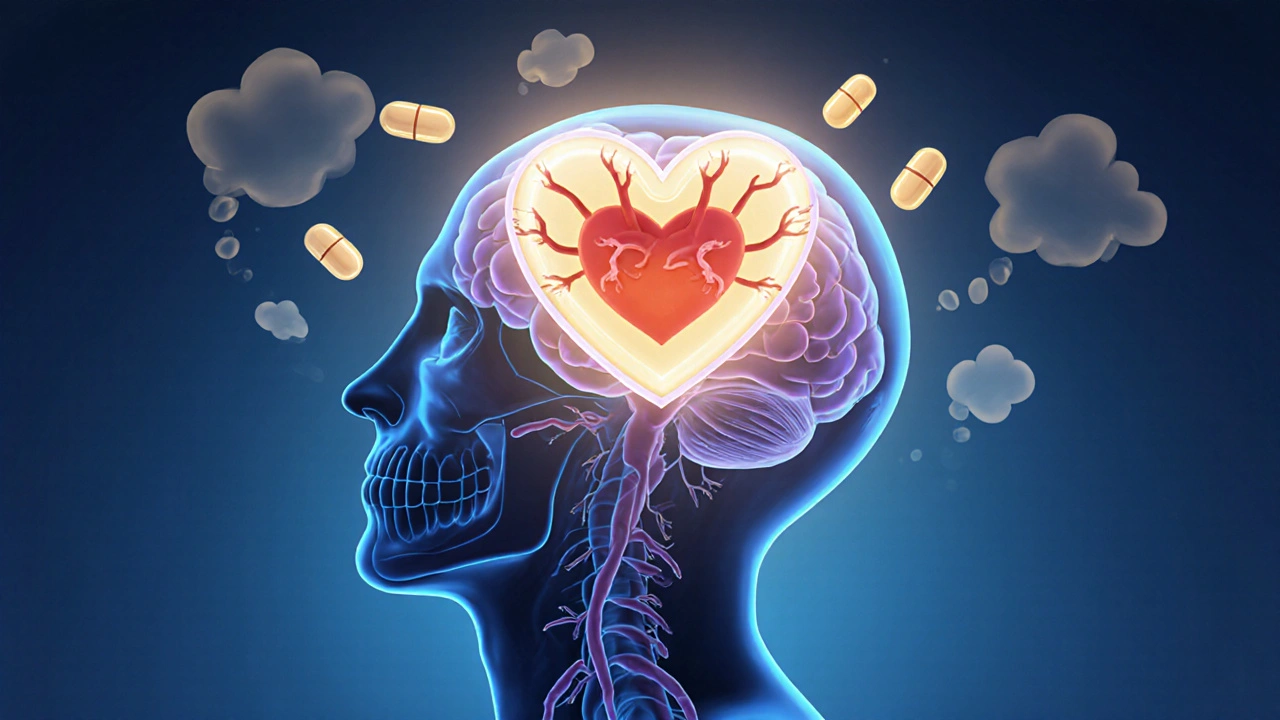
Statins can cause temporary memory issues in rare cases, but most evidence shows they protect against dementia. Learn how to tell if your memory problems are linked to statins-and what to do next.
Statins and Dementia: What the Evidence Really Shows
When you take a statin, a class of drugs used to lower LDL cholesterol by blocking liver enzymes. Also known as HMG-CoA reductase inhibitors, these medications are among the most prescribed drugs in the world—often for life. But as millions take them daily, a quiet question keeps coming up: do statins harm your brain, or help protect it from dementia, a group of conditions marked by memory loss, confusion, and declining thinking skills?
The answer isn’t simple. Some early studies worried doctors when they reported memory fog in a small number of users. The FDA even added a warning in 2012 about possible reversible cognitive side effects. But here’s what those same studies didn’t show: long-term harm. In fact, more recent, larger research—like the 2021 analysis of over 1 million older adults in the UK—found people on statins had a 12% lower risk of developing dementia over ten years. That’s not a fluke. It lines up with other big studies from Japan, Sweden, and the U.S. that tracked brain scans and cognitive tests. The theory? Lowering cholesterol reduces inflammation and plaque buildup in blood vessels, which keeps blood flowing to the brain. Poor circulation is a known driver of vascular dementia, the second most common type after Alzheimer’s.
It’s not just about cholesterol, though. inflammation, a chronic, low-grade body response linked to aging and disease plays a big role too. Statins don’t just lower LDL—they also reduce C-reactive protein, a marker of inflammation. And inflammation in the brain? It’s tied to both Alzheimer’s and vascular damage. Then there’s blood-brain barrier, the protective filter that controls what enters the brain from the bloodstream. Some researchers think statins help keep this barrier intact, stopping harmful proteins from leaking in. It’s not magic, but it’s biology that adds up.
So why do some people still report memory issues? For most, it’s temporary, mild, and goes away when they stop the drug. It’s not dementia—it’s a side effect, like muscle soreness. The real risk isn’t statins causing dementia; it’s skipping them and letting uncontrolled cholesterol do damage over decades. If you’re on a statin and notice mental fuzziness, talk to your doctor. Don’t quit on your own. There are different statins—some cross the blood-brain barrier more than others. Switching might help. And if you’re not on one but have high cholesterol and a family history of dementia? That’s something to discuss too.
What you’ll find below isn’t theory. It’s real, detailed posts from doctors and researchers who’ve dug into the data. You’ll see how liver function affects statin clearance, why some people react differently to cholesterol drugs, and what other medications might be interacting with your statin without you knowing. We’ll also cover how heart health, diabetes, and even gut bacteria tie into brain health. This isn’t about fear. It’s about clarity. You’re not just taking a pill for your heart. You’re protecting your mind, too—and knowing how it works gives you real control.