
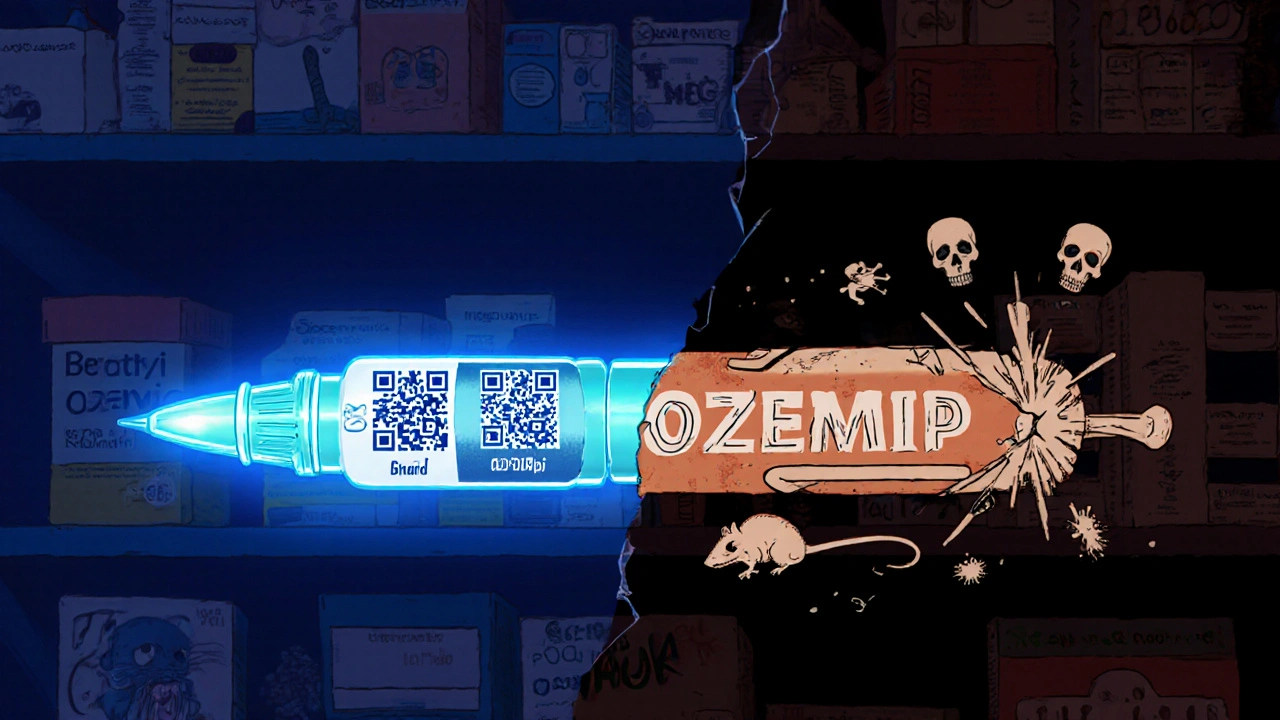
Counterfeit generics are fake versions of cheap, off-patent drugs that can contain no active ingredients or dangerous toxins. Learn how to spot them, where to buy safely, and what to do if you suspect you’ve been sold a fake.
Safe Pharmacy: How to Find Reliable Sources for Medications and Supplements
When you need medicine, a safe pharmacy, a licensed and regulated source for prescription and over-the-counter drugs that follows legal and clinical standards. Also known as a legitimate pharmacy, it ensures your pills are real, properly stored, and matched to your needs. Too many people buy from websites that look official but sell fake or contaminated drugs—drugs that don’t work, or worse, make you sick. The FDA and WHO warn that over 50% of medications bought from unverified online sources are counterfeit. That’s not a risk you can afford to take.
A safe pharmacy, a licensed and regulated source for prescription and over-the-counter drugs that follows legal and clinical standards. Also known as a legitimate pharmacy, it ensures your pills are real, properly stored, and matched to your needs. doesn’t just sell pills—it connects you to real pharmacists who check for dangerous interactions. You’ll find this in posts about how acid-reducing drugs like PPIs can block absorption of other meds, or how Ginkgo biloba increases bleeding risk when mixed with blood thinners. These aren’t theoretical concerns—they’re real dangers that happen when people skip professional guidance. A safe pharmacy, a licensed and regulated source for prescription and over-the-counter drugs that follows legal and clinical standards. Also known as a legitimate pharmacy, it ensures your pills are real, properly stored, and matched to your needs. also means knowing where your drugs come from. With 80% of active ingredients coming from just two countries, supply chain risks are real. A trustworthy pharmacy discloses sourcing, uses verified manufacturers, and avoids shady bulk suppliers.
What makes a pharmacy safe isn’t just its website design or flashy ads. It’s the details: a physical address you can visit, a licensed pharmacist on call, and verification from bodies like the National Association of Boards of Pharmacy (NABP). You’ll see this in posts comparing e-pharmacy prices with retail costs—where the real savings come from transparency, not hidden risks. It’s also in articles about how to talk to your provider about supplements, because even natural products can interfere with prescriptions. A safe pharmacy doesn’t push you to buy more—it helps you buy smarter.
Below, you’ll find real-world guides on how to spot unsafe sources, understand drug interactions, compare generic prices, and protect yourself from counterfeit meds. These aren’t theory pieces—they’re tools built from patient experiences, clinical data, and regulatory standards. Whether you’re buying antibiotics, pain relievers, or supplements, the same rules apply: know your source, ask questions, and never guess when your health is on the line.