
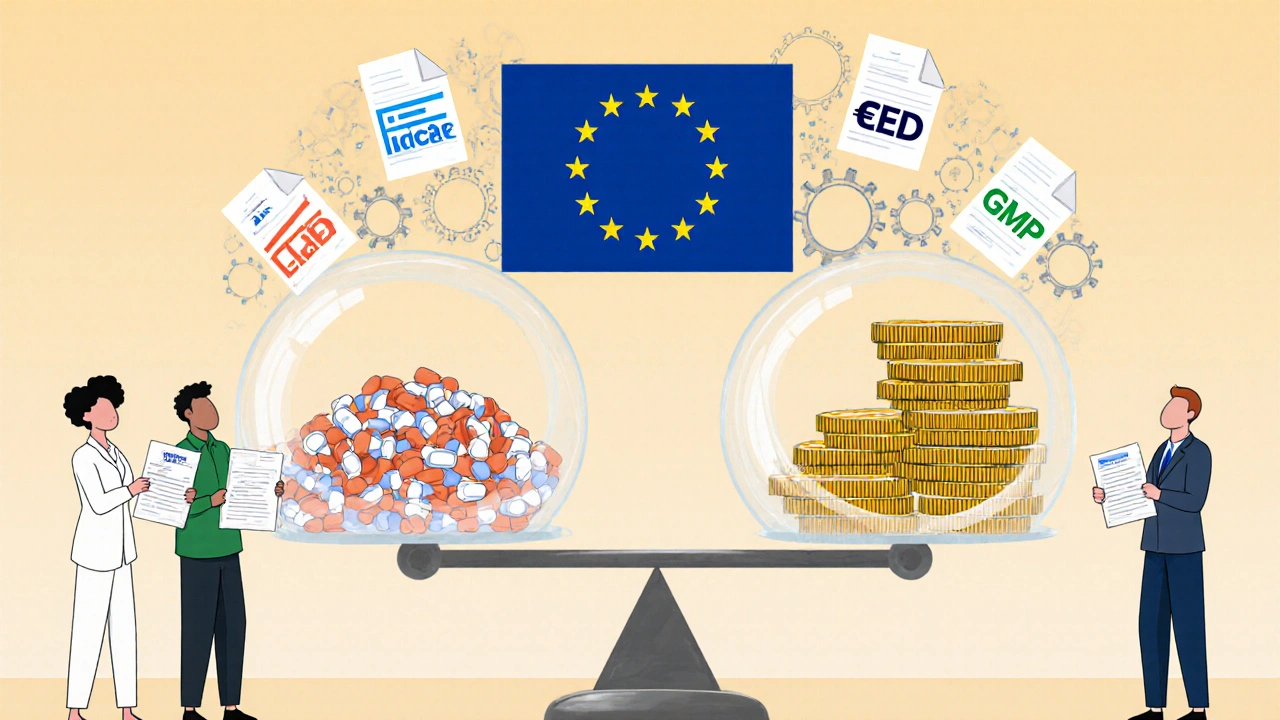
Europe's tendering systems ensure fair, transparent, and cost-effective purchasing of generic drugs. By using MEAT evaluation, electronic platforms, and strict quality rules, public health systems save billions without compromising safety or supply.
Public Procurement in Healthcare: How Governments Buy Medicines and Why It Matters
When governments buy medicines for public hospitals, clinics, and programs, they’re not just placing orders—they’re making decisions that affect public procurement, the process by which government agencies purchase goods and services for public use. Also known as government procurement, it’s the invisible engine behind whether you can get a cheap generic pill or wait months for a life-saving drug. This isn’t about fancy contracts or bureaucratic jargon. It’s about real people getting the right medicine at the right price.
pharmaceutical supply, the network that moves drugs from manufacturers to patients doesn’t work the same everywhere. In countries with strong public procurement systems, bulk buying drives prices down—sometimes by 80%. That’s why you see stories about e-pharmacies like GoodRx offering generics for pennies: they’re riding the wave of government-negotiated rates. But when procurement is weak, corrupt, or fragmented, shortages happen. Look at the 2025 drug shortages tied to foreign manufacturing—those weren’t accidents. They were the result of supply chains that never built local backup options because procurement focused only on the lowest bid, not reliability.
government drug buying, how public health systems select and purchase medications isn’t just about cost. It’s about safety, access, and fairness. When a country buys only one brand of insulin or one type of antibiotic, it limits choices. When it ignores generic alternatives, it wastes money. And when it doesn’t track how drugs are used after purchase, dangerous interactions go unnoticed. That’s why posts on this page cover everything from fosfomycin’s low cost to how Antabuse alternatives got approved—because procurement decisions shape what even gets on the shelf.
Public procurement doesn’t just affect hospitals. It affects your wallet, your health, and your trust in the system. If your country buys cheap generics in bulk, you get affordable meds. If it buys expensive branded drugs because of lobbying, you pay more—through taxes, insurance, or out-of-pocket costs. And if procurement ignores real-world data—like how Ginkgo biloba increases bleeding risk with blood thinners—people get hurt.
What you’ll find here isn’t theory. It’s real examples. Posts show how drug shortages happen because of supply chain dependence, how comparing OTC pain relievers matters when budgets are tight, and why knowing how to safely buy metformin online ties back to whether your government made smart bulk purchases. These aren’t random articles. They’re all connected by the same force: how medicine gets bought, who decides, and what gets left out.