
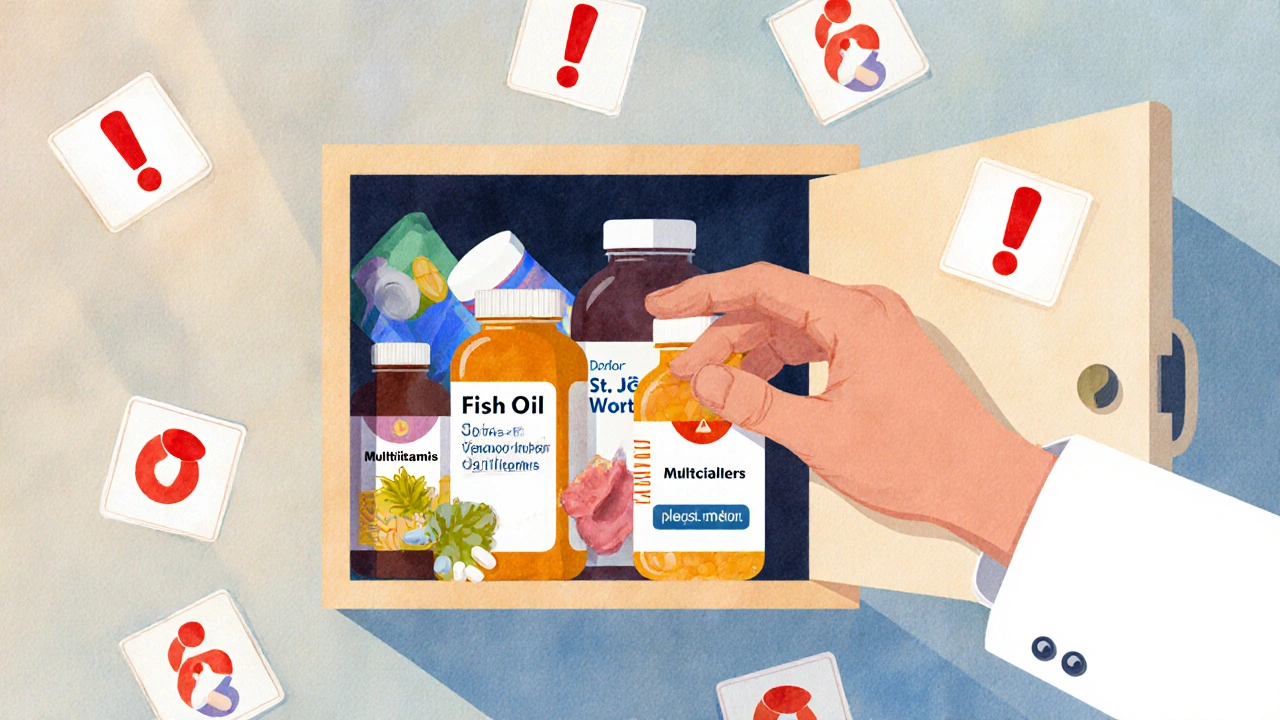
Learn how to accurately share your over-the-counter medications and supplement use with healthcare providers to prevent dangerous interactions. Real data, clear steps, and proven safety practices.
OTC Medications: What You Need to Know Before You Buy
When you reach for an OTC medication, a drug you can buy without a prescription, often used for minor symptoms like pain, allergies, or indigestion. Also known as over-the-counter drugs, these are meant to be safe and simple—but they’re not risk-free. Millions use them daily without thinking twice, but mixing them with other pills, ignoring dosing limits, or assuming "natural" means harmless can lead to serious problems.
Take acetaminophen, the active ingredient in Tylenol, commonly used for pain and fever. It’s in more than 600 products, from cold meds to sleep aids. Take too much—even just a little over the daily limit—and you can damage your liver without any warning signs. Then there’s NSAIDs, like ibuprofen and naproxen, used for inflammation and pain. They’re great for a headache or sore knee, but long-term use raises your risk of stomach bleeds and kidney issues. And don’t forget herbal supplements, like Ginkgo biloba or garlic pills, often marketed as safe alternatives. They’re not regulated like drugs, and they can interfere with blood thinners, diabetes meds, or even anesthesia before surgery.
These aren’t just theoretical risks. Real people end up in emergency rooms every year because they didn’t realize their daily painkiller was hiding in their allergy medicine, or that their fish oil was making their blood thinner too strong. The truth is, OTC medications are powerful tools—but only if you use them with awareness. You need to know what’s in them, how they interact, and when to stop and ask a pharmacist instead of reaching for another bottle.
Below, you’ll find clear, no-fluff comparisons of the most common OTC drugs, real stories about what happens when things go wrong, and practical guides to choosing what’s right for your body—not just what’s on the shelf. Whether you’re managing pain, dealing with bloating, or trying to avoid dangerous combos, these posts give you the facts you won’t get from a label.